
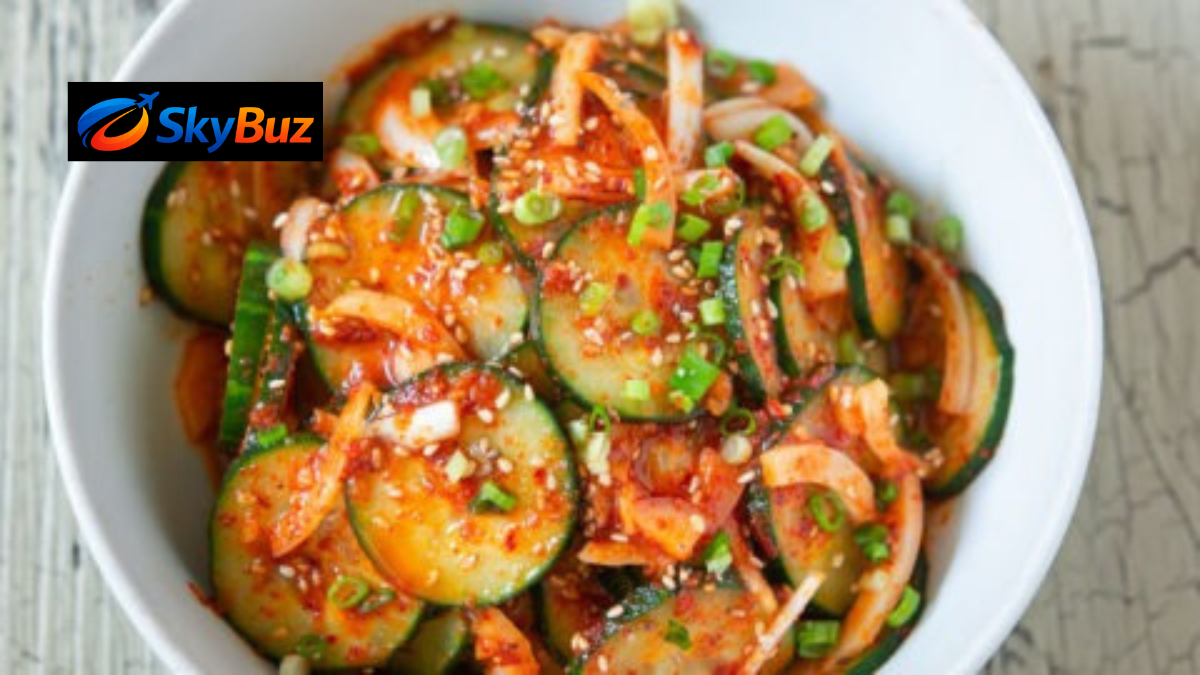
Korean cucumber salad is a bright, refreshing dish that captures the essence of Korean home cooking in one simple bowl. Known traditionally as Oi Muchim, this vibrant side dish combines crisp cucumbers with chilli, garlic, sesame oil, and a splash of vinegar. The result is a harmonious blend of spicy, tangy, sweet, and savoury flavours that instantly awaken the palate and complement a wide variety of meals.
In the UK, korean cucumber salad has grown in popularity as more people explore global cuisine and seek lighter, healthier side dishes. Its quick preparation and minimal ingredients make it ideal for busy households, while its bold taste ensures it never feels ordinary. Whether served alongside grilled meats, rice bowls, or plant-based dishes, this salad offers colour, crunch, and character in every bite.
The Cultural Roots of Korean Cucumber Salad
Korean cucumber salad has deep roots in Korean culinary tradition, where small side dishes known as banchan are served with almost every meal. These side dishes provide balance, contrast, and variety on the table. Korean cucumber salad plays an important role within this tradition, offering a cool and spicy element that offsets richer or heavier main courses.
The name Oi Muchim directly translates to “seasoned cucumber”, reflecting the simplicity of the dish. Despite its straightforward preparation, it embodies the Korean philosophy of balancing flavours and textures. The interplay of heat from chilli flakes, acidity from vinegar, and nuttiness from sesame oil creates a dish that feels both comforting and refreshing at the same time.
Essential Ingredients for Authentic Flavour
The success of korean cucumber salad depends largely on the quality of its ingredients. Fresh cucumbers are the star, and English or Persian varieties are particularly suitable due to their thin skins and crisp texture. These cucumbers absorb the dressing well while maintaining their satisfying crunch, which is essential to the character of the dish.
Garlic, spring onions, rice vinegar, soy sauce, sugar, and Korean chilli flakes form the flavour base. Toasted sesame oil adds warmth and depth, while sesame seeds contribute subtle nuttiness and texture. Each ingredient has a specific purpose, working together to create a balanced and layered flavour profile that defines authentic korean cucumber salad.
Step-by-Step Preparation for Perfect Texture
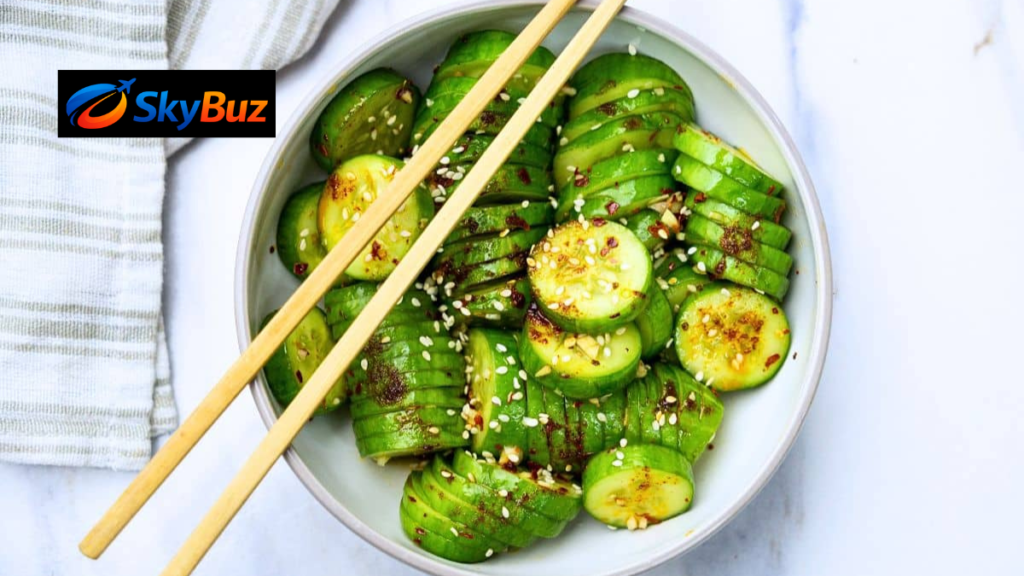
Preparing korean cucumber salad begins with slicing the cucumbers into even rounds or half-moons. They are lightly salted and left to rest for a short period, allowing excess moisture to draw out. This simple step prevents the salad from becoming watery and ensures that the dressing clings properly to each slice.
After rinsing and gently squeezing out excess liquid, the cucumbers are tossed with the prepared dressing. Care should be taken not to overmix, as this can bruise the cucumbers and affect their texture. Allowing the salad to sit briefly before serving helps the flavours meld together beautifully while maintaining a fresh and crisp finish.
Flavour Profile and Taste Experience
Korean cucumber salad delivers a dynamic taste experience that evolves with every bite. The initial crunch of the cucumber provides a cooling sensation, quickly followed by the gentle heat of chilli flakes. The acidity from rice vinegar cuts through the spice, creating balance and brightness.
The sweetness from a small amount of sugar rounds out the sharper notes, while sesame oil leaves a lingering nutty aroma. This intricate balance of flavours is what makes korean cucumber salad so memorable. It feels light yet bold, simple yet deeply satisfying, and pairs effortlessly with both traditional and modern dishes.
Health Benefits and Nutritional Value
Beyond its vibrant taste, korean cucumber salad offers several nutritional benefits. Cucumbers are naturally low in calories and rich in water content, making them hydrating and refreshing. This makes the salad an excellent option for those seeking lighter meal choices without sacrificing flavour or satisfaction.
Garlic and chilli flakes contribute antioxidants and may support overall wellbeing when consumed as part of a balanced diet. Because korean cucumber salad relies on simple, wholesome ingredients rather than creamy dressings, it is suitable for many dietary preferences, including vegetarian and vegan lifestyles, particularly when gluten-free soy sauce is used.
Serving Suggestions and Pairings
Traditionally, korean cucumber salad is served alongside steamed rice, grilled meats, or hearty stews. Its bright acidity and spice cut through richer dishes, providing a refreshing contrast. It works especially well with Korean-style barbecue, where smoky and savoury flavours benefit from a cool, crisp accompaniment.
In a UK context, this salad can also shine at summer barbecues or casual gatherings. It pairs beautifully with grilled chicken, roasted vegetables, or even fish. Served chilled in a simple bowl with a sprinkle of sesame seeds, korean cucumber salad adds colour and freshness to any table setting.
Variations and Modern Twists
While the traditional version remains beloved, korean cucumber salad is highly adaptable. For a milder variation, the amount of chilli flakes can be reduced, making it suitable for children or those sensitive to spice. Adding thinly sliced carrots or red onions introduces extra crunch and visual appeal.
Some modern interpretations include a spoonful of gochujang for deeper, richer heat, or a drizzle of honey for added sweetness. These creative twists maintain the spirit of the dish while offering new flavour dimensions. Such flexibility ensures that korean cucumber salad continues to evolve while honouring its authentic roots.
Storage and Freshness Tips
Korean cucumber salad is best enjoyed fresh, ideally within a few hours of preparation. As the cucumbers continue to release moisture, the dressing can become diluted over time. Storing the salad in an airtight container in the refrigerator helps preserve its texture and flavour for a short period.
If preparing in advance, it can be helpful to salt the cucumbers earlier but mix them with the dressing shortly before serving. This method maintains the desired crunch while allowing the flavours to remain vibrant. Although leftovers can be refrigerated for up to a day, korean cucumber salad is always at its finest when freshly made.
Conclusion
Korean cucumber salad stands as a perfect example of how simple ingredients can create extraordinary flavour. Its crisp texture, balanced spice, and refreshing character make it an essential addition to any meal, whether traditional or contemporary. It embodies the harmony and creativity that define Korean cuisine.
For home cooks in the UK seeking a quick yet impressive side dish, korean cucumber salad offers both ease and authenticity. With minimal preparation and maximum flavour, it transforms ordinary cucumbers into a vibrant culinary experience that is sure to be enjoyed time and again.
Frequently Asked Questions
What is korean cucumber salad?
Korean cucumber salad is a spicy, tangy Korean side dish made with fresh cucumbers, chilli, garlic, and sesame oil.
Is korean cucumber salad very spicy?
It can be mild or spicy depending on how much chilli flakes or paste you add.
Which cucumbers are best for korean cucumber salad?
English or Persian cucumbers are best because they are crisp and have fewer seeds.
Can I make korean cucumber salad in advance?
Yes, but it tastes freshest when eaten within a few hours of preparation.
How long does korean cucumber salad last in the fridge?
It stays fresh for up to 24 hours in an airtight container.
Is korean cucumber salad healthy?
Yes, it is low in calories, hydrating, and made with simple, wholesome ingredients.
Can I make korean cucumber salad without chilli?
Yes, you can skip the chilli for a non-spicy version while keeping the same tangy flavour.
Also Read: soffritto