

VMC drinks calories have become increasingly popular among people looking for flavorful beverages that fit into different lifestyles. Whether you enjoy them as a refreshing drink during the day or as part of social gatherings, understanding the calorie content of VMC drinks can help you make informed choices.
Many consumers are now paying closer attention to nutrition labels, calorie counts, and ingredient lists. Knowing how many calories are in a drink can be useful for weight management, fitness goals, or simply maintaining a balanced diet.
This guide explores VMC drinks calories, nutritional information, factors affecting calorie content, and practical tips for enjoying these beverages responsibly.
What Are VMC Drinks?
VMC drinks calories are ready-to-consume beverages designed to offer convenience and flavor. Depending on the variety, they may contain different ingredients, flavorings, sweeteners, and nutritional profiles.
The calorie count in a VMC drinks calories can vary based on:
- Serving size
- Sugar content
- Alcohol content (if applicable)
- Added flavorings
- Carbohydrate levels
- Manufacturing process
Because different VMC products may have unique formulations, checking the product label remains the most accurate way to determine calorie content.
Understanding Calories in Beverages
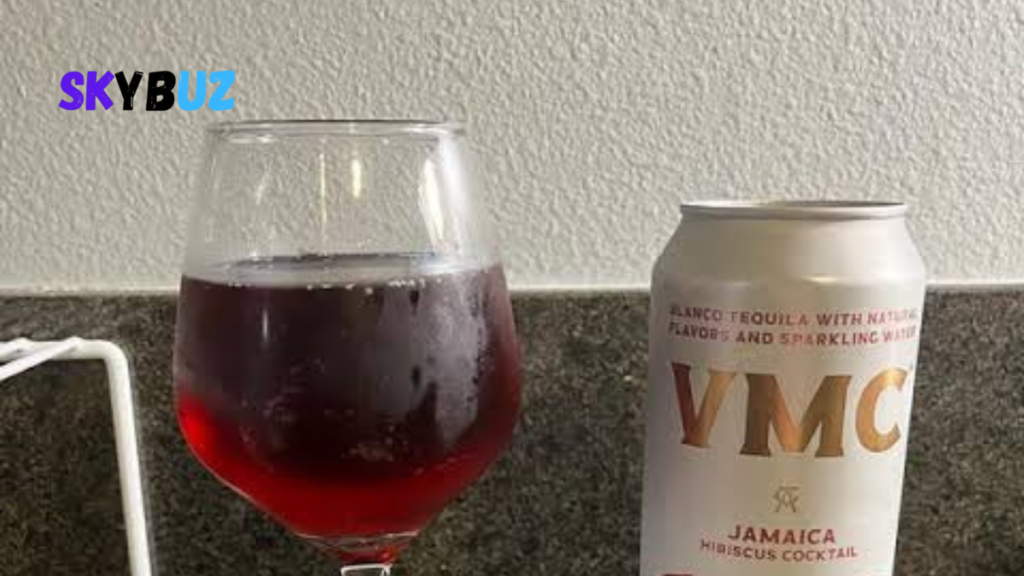
vmc drinks calories are units of energy that your body uses to perform daily activities such as walking, exercising, breathing, and maintaining body functions.
Beverages contribute calories through:
- Sugars
- Carbohydrates
- Alcohol
- Fats (rare in most drinks)
- Added ingredients
When evaluating any drink, it is important to consider not only the calorie count but also the nutritional value it provides.
Typical Calorie Range of VMC Drinks
Low-Calorie Options
Some VMC drinks calories beverages are formulated to contain fewer calories. These options may use reduced sugar levels or alternative sweeteners.
Typical range:
- 50–100 calories per serving
These drinks are often chosen by individuals who want a lighter beverage option.
Moderate-Calorie Options
Many standard VMC drinks calories fall into the moderate calorie category.
Typical range:
- 100–200 calories per serving
These beverages often contain a balance of flavor and sweetness while remaining manageable within a daily calorie budget.
Higher-Calorie Variants
Certain VMC drinks calories products may contain additional sugars, flavorings, or ingredients that increase their energy content.
Typical range:
- 200–300+ calories per serving
Consumers monitoring calorie intake should review nutrition labels carefully when selecting these options.
Factors That Affect VMC Drink Calories
H3: Sugar Content
Sugar is one of the biggest contributors to calories in beverages.
Each gram of sugar contains approximately four VMC drinks calories. Drinks with higher sugar levels naturally contain more calories.
Examples of added sugars include:
- Cane sugar
- Corn syrup
- Fruit concentrates
- Sweetened flavor syrups
H3: Serving Size
A larger serving contains more calories than a smaller one.
For example:
- 250 ml serving = lower calories
- 500 ml serving = roughly double the calories
Always check whether the nutritional information is listed per serving or per container.
H3: Alcohol Content
If a VMC drinks calories contains alcohol, calories can increase significantly.
Alcohol provides:
- Approximately 7 calories per gram
This means alcoholic beverages often contain more calories than non-alcoholic alternatives.
H3: Flavor Additions
Flavoring ingredients may add extra calories.
Common additions include:
- Fruit flavorings
- Sweeteners
- Syrups
- Mixers
These ingredients can affect the overall nutritional profile.
Nutritional Components Beyond Calories
Calories are important, but they are only one part of a drink’s nutritional value.
Carbohydrates
Most beverage calories come from carbohydrates.
Carbohydrates provide energy and are measured in grams on nutrition labels.
Sugar
Sugar is a type of carbohydrate that contributes sweetness and calories.
Monitoring sugar intake can help support healthy eating habits.
Sodium
Some drinks contain small amounts of sodium.
While usually not a major concern, people following low-sodium diets may wish to check labels.
Vitamins and Minerals
Certain beverages may include vitamins, minerals, or fortified ingredients.
These nutrients can provide additional value beyond calorie content.
How VMC Drink Calories Fit Into a Daily Diet
Daily calorie needs vary according to:
- Age
- Gender
- Activity level
- Health goals
- Body size
For many adults, daily requirements range between:
- 1,800 to 2,500 calories
A drink containing 150 calories may represent only a small portion of the total daily intake.
The key is considering beverage calories alongside food consumption throughout the day.
Are VMC Drinks Suitable for Weight Management?
Benefits
VMC drinks can fit into a weight management plan when consumed in moderation.
Advantages include:
- Convenient serving sizes
- Easy calorie tracking
- Availability of lower-calorie options
Considerations
Consumers should also pay attention to:
- Sugar levels
- Portion sizes
- Frequency of consumption
Drinking multiple servings can increase calorie intake quickly.
Comparing VMC Drinks With Other Popular Beverages
Soft Drinks
Traditional soft drinks often contain:
- 140–250 calories per serving
Depending on the variety, some VMC drinks may contain similar or lower calorie levels.
Fruit Juices
Fruit juices may seem healthy but can contain:
- 100–200 calories per serving
Many juices also contain naturally occurring sugars.
Energy Drinks
Energy drinks frequently contain:
- 100–300 calories
The exact amount depends on sugar content and serving size.
Sparkling Water
Sparkling water is often among the lowest-calorie options.
Many versions contain:
- 0–10 calories
This makes them attractive for calorie-conscious consumers.
Tips for Managing Beverage Calories
Read Nutrition Labels
The nutrition facts panel provides valuable information about:
- Calories
- Sugar
- Carbohydrates
- Serving size
Reading labels helps consumers make informed choices.
Watch Portion Sizes
Even moderately caloric beverages can become high-calorie choices when consumed in large amounts.
Consider limiting portions when tracking calorie intake.
Balance With Other Foods
If a beverage contains more calories, balancing meals throughout the day can help maintain overall dietary goals.
Stay Hydrated With Water
Water remains the best calorie-free hydration option.
Alternating between water and flavored beverages can help reduce overall VMC drinks calories consumption.
Common Myths About Beverage Calories
Myth 1: Liquid Calories Do Not Count
This is false.
VMC drinks calories from beverages contribute to total daily energy intake just like calories from food.
Myth 2: All Flavored Drinks Are High in Calories
Not necessarily.
Some flavored drinks use low-calorie sweeteners or reduced sugar formulas.
Myth 3: Small Drinks Always Have Few Calories
Serving size matters, but ingredient composition matters too.
A small VMC drinks calories can still contain a significant number of calories if it is highly concentrated with sugar.
Myth 4: Calories Are the Only Thing That Matters
Calories are important, but nutrition quality also matters.
Consider:
- Sugar content
- Nutrient value
- Ingredient quality
- Overall dietary balance
Choosing the Right VMC Drink for Your Goals
For Weight Loss
Look for:
- Lower-calorie options
- Reduced sugar varieties
- Smaller serving sizes
For Active Individuals
People with higher energy needs may choose beverages with slightly higher calorie content as part of their overall nutrition strategy.
For Casual Enjoyment
Moderation is key.
Enjoying VMC drinks occasionally can fit within a balanced lifestyle.
Final Thoughts
Understanding VMC drinks calories can help consumers make smarter beverage choices. Calorie levels vary depending on ingredients, serving size, sugar content, and product formulation. By reading nutrition labels and monitoring portion sizes, individuals can enjoy VMC drinks while staying aligned with their health and wellness goals.
Rather than focusing only on calories, it is helpful to consider the overall nutritional profile of each beverage. When consumed responsibly,VMC drinks calories can be part of a balanced diet and active lifestyle.
Frequently Asked Questions (FAQs)
What are VMC drinks?
VMC drinks calories are ready-to-consume beverages available in various flavors and formulations. Their nutritional content varies depending on the specific product.
How many calories are in a VMC drink?
The calorie content depends on the variety and serving size. Many products range from approximately 50 to 300 calories per serving.
Do VMC drinks contain sugar?
Some VMC drinks contain sugar, while others may use alternative sweeteners or reduced-sugar formulas.
Are VMC drinks good for weight loss?
They can fit into a weight-loss plan when consumed in moderation and selected based on calorie and sugar content.
Do beverage calories count toward daily calorie intake?
Yes. Calories from beverages contribute to your total daily calorie consumption.
How can I check the calorie content of a VMC drink?
The most accurate source is the nutrition facts label printed on the product packaging.
Are low-calorie VMC drinks available?
Many brands offer lower-calorie versions that contain less sugar and fewer calories.
Is it okay to drink VMC beverages every day?
Moderate consumption can be part of a balanced diet, but it is wise to monitor calorie and sugar intake regularly.
Which ingredient contributes the most calories in beverages?
Sugar is often the largest source of calories in many flavored drinks.
What is the healthiest way to enjoy VMC drinks?
Choose appropriate serving sizes, read nutrition labels, stay hydrated with water, and consume sugary beverages in moderation.
Also Read: emilio diaz
Tags: vmc drinks calories