
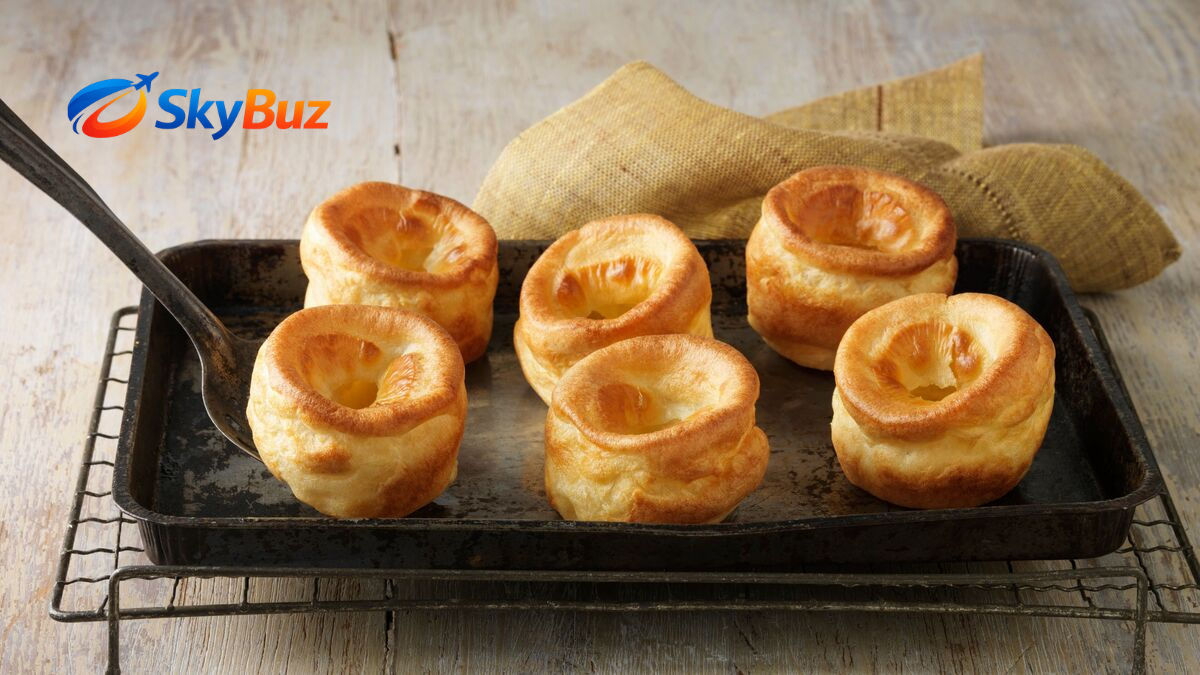
Mary Berry Yorkshire pudding is one of the most searched and celebrated British recipes, especially when it comes to preparing a traditional Sunday roast. Known for its dramatic rise, crisp golden edges and soft, airy centre, this classic side dish has earned a permanent place on British dinner tables. The BBC failsafe method has helped home cooks achieve consistent results without stress or complicated techniques.
The lasting appeal of mary berry yorkshire pudding lies in its simplicity and reliability. Using just flour, eggs, milk and oil, the batter transforms into tall, puffed delights when exposed to intense oven heat. This article explores the secrets behind the method, the science of the rise and the practical tips that ensure perfect results every time.
The Legacy Behind Mary Berry Yorkshire Pudding
Mary Berry has long been recognised as one of Britain’s most trusted culinary experts. Through her extensive career in cookery writing and television, particularly with the BBC, she has built a reputation for recipes that are approachable yet precise. Her guidance is especially valued by home bakers who want dependable, repeatable success in their kitchens.
Mary berry yorkshire pudding reflects that same philosophy of clarity and balance. Rather than overcomplicating the method, her approach focuses on correct measurements, proper oven temperature and careful timing. This straightforward style has made her version a favourite across the UK, ensuring that even beginners can achieve impressive, tall and crisp puddings.
Why Mary Berry Yorkshire Pudding Is Considered Failsafe
The term “failsafe” is often associated with mary berry yorkshire pudding because the method minimises common errors. The batter ratio is carefully balanced to create enough steam during baking, which is essential for lift. When poured into piping hot oil, the mixture immediately reacts, creating the signature puffed shape and hollow centre.
Another important factor is temperature consistency. The oven must be fully preheated, and the oil should be almost smoking before the batter is added. Opening the oven door too early can cause the puddings to collapse, so patience is crucial. By following these principles, the recipe delivers reliable, golden results time and time again.
Ingredients That Make Mary Berry Yorkshire Pudding Perfect

The ingredient list for mary berry yorkshire pudding is wonderfully simple, yet each component plays a crucial role. Plain flour provides structure and stability, ensuring the puddings hold their shape once risen. Eggs contribute richness, colour and essential lift, while milk creates a smooth, pourable batter with the right consistency.
Sunflower oil is often recommended because it withstands high temperatures without burning. The oil must coat the base of each tin compartment to encourage crisp edges. Accurate metric measurements are essential, as even small changes in proportions can affect the texture and height of the finished puddings.
Step-by-Step Method for Mary Berry Yorkshire Pudding
Preparing mary berry yorkshire pudding begins with creating a lump-free batter. Flour and salt are combined in a bowl before eggs are added gradually. Milk is whisked in slowly to produce a smooth mixture similar to single cream. Allowing the batter to rest briefly can improve elasticity and overall texture.
While the batter rests, a metal muffin tin with oil is placed in a hot oven. Once the oil is shimmering and extremely hot, the batter is poured quickly and evenly into each section. The tray returns to the oven immediately, where the puddings rise dramatically and turn golden brown without interruption.
Expert Tips for Achieving a Tall and Crispy Rise
For the best mary berry yorkshire pudding results, always use room temperature ingredients. Cold eggs or milk can reduce the reaction when the batter meets hot oil, limiting the rise. Ensuring everything is at ambient temperature supports maximum expansion and a more even bake.
Using metal tins rather than silicone moulds significantly improves crispness. Metal conducts heat more effectively, creating the classic crunchy base and edges. Avoid overcrowding the oven and ensure there is enough airflow around the tin, as proper circulation encourages uniform rising and browning.
Serving Mary Berry Yorkshire Pudding with a Traditional Roast
Mary berry yorkshire pudding is traditionally served with roast beef, crispy potatoes and seasonal vegetables. The hollow centre is perfect for holding rich gravy, adding depth and moisture to every bite. Its light texture balances heavier roast components, making it an essential part of the Sunday meal.
Beyond roast beef, these puddings also pair beautifully with roast chicken or lamb. Some families even serve them as a starter with onion gravy before the main course. Their versatility makes them a cherished feature of British cuisine, adaptable to both classic and contemporary menus.
Variations and Creative Twists on Mary Berry Yorkshire Pudding
Although the traditional recipe remains the most popular, mary berry yorkshire pudding can be adapted in creative ways. The same batter can be poured into a larger dish to create toad in the hole, where sausages bake within the rising mixture for a comforting family meal.
Mini versions are perfect for entertaining, served as bite-sized appetisers with savoury fillings. Some cooks experiment with adding herbs or a pinch of mustard powder for subtle flavour variation. However, the classic method remains unbeatable when aiming for the iconic tall and crispy finish.
Nutritional Considerations and Portion Guidance
While undeniably delicious, mary berry yorkshire pudding should be enjoyed as part of a balanced meal. The combination of flour, eggs and oil contributes carbohydrates, protein and fat. When paired with lean meats and vegetables, it complements rather than overwhelms the plate.
Portion control is simple when baking individual puddings. Serving one or two per person ensures satisfaction without excess. Because they are light and airy, they feel indulgent without being overly heavy, making them an ideal accompaniment rather than the main focus of the meal.
Conclusion
Mary berry yorkshire pudding remains a timeless British favourite because of its reliability, simplicity and satisfying texture. The BBC failsafe method highlights the importance of precise measurements, hot oil and steady oven heat, all of which contribute to a perfect, crispy rise.
By understanding the science behind the batter and following a few essential techniques, any home cook can master this classic dish. Whether served with a traditional Sunday roast or adapted for creative variations, mary berry yorkshire pudding continues to represent the very best of comforting British cooking.
Frequently asked questions
What ingredients are used in Mary Berry Yorkshire pudding?
Plain flour, eggs, milk, salt and sunflower oil are used to create the classic batter.
How do you make Mary Berry Yorkshire pudding rise properly?
Ensure the oil is piping hot and avoid opening the oven door during baking.
What temperature should the oven be for Mary Berry Yorkshire pudding?
A very hot oven, typically around 220°C (200°C fan), is ideal for a perfect rise.
Can you make Mary Berry Yorkshire pudding in advance?
Yes, you can bake them ahead and reheat in a hot oven for a few minutes before serving.
Why is my Mary Berry Yorkshire pudding not crispy?
The oil may not have been hot enough or the oven temperature may have dropped.
Can I use self-raising flour instead of plain flour?
Plain flour is recommended because self-raising flour can affect the texture and rise.
How many Yorkshire puddings does this recipe make?
The standard recipe typically makes around 12 individual Yorkshire puddings.
Also Read: sweet potato pancakes baby