
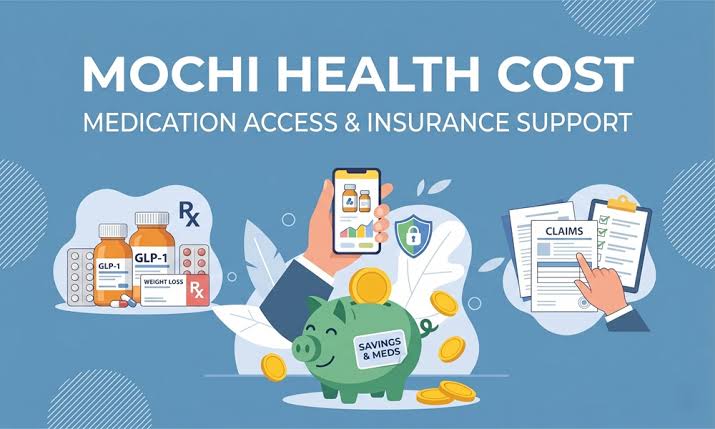
What Is the Mochi Health Lawsuit About?
The Mochi Health lawsuit has gained significant attention because it involves several major issues affecting the modern healthcare industry, including telehealth services, weight-loss medications, compounded drugs, and patient safety. Mochi Health became widely known as an online healthcare platform that connects patients with medical providers for weight-management care. The company gained popularity by offering virtual consultations and access to medications used for weight loss, particularly GLP-1 treatments.
The legal controversy surrounding Mochi Health mainly focuses on the company’s involvement in providing compounded versions of tirzepatide, a medication ingredient associated with well-known FDA-approved treatments. Pharmaceutical companies, including Eli Lilly, have raised concerns about how compounded versions of these medications are marketed and distributed. The lawsuit has brought attention to questions about whether consumers fully understand the differences between approved medications and compounded alternatives.
The Mochi Health lawsuit is part of a much larger debate about the rapid growth of online weight-loss clinics. As demand for medications such as tirzepatide and semaglutide increased, many patients searched for affordable and convenient ways to access treatment. Telehealth companies stepped in to provide easier access, but this expansion also created new regulatory challenges involving advertising, pharmacy practices, and medication quality.
Why Mochi Health Became Popular in the Weight Loss Industry
Mochi Health entered a market that was rapidly changing because of the popularity of GLP-1 medications. Drugs in this category became highly discussed because of their ability to support weight management and improve blood sugar control. Many patients looking for weight-loss solutions turned to online providers because traditional healthcare appointments could be difficult to schedule or expensive.
The company’s model focused on providing medical consultations through telehealth, allowing patients to meet with healthcare professionals remotely. This approach appealed to people who wanted a simpler process for discussing weight concerns, understanding treatment options, and receiving prescriptions when medically appropriate. The convenience of virtual healthcare played a major role in the growth of companies like Mochi Health.
However, the rapid expansion of online weight-loss services also created concerns. Healthcare experts have emphasized that access and convenience must be balanced with proper medical oversight. Weight-loss medications are not simple products; they can affect appetite, hormones, metabolism, and other aspects of health. This is why the Mochi Health lawsuit has attracted attention beyond the company itself.
The Connection Between Mochi Health and GLP-1 Medications
The main medications connected to the Mochi Health controversy are GLP-1 receptor agonists, a class of drugs that influence how the body regulates hunger, insulin, and digestion. These medications became widely known because many patients experienced meaningful weight reduction when using them under medical supervision.
Tirzepatide is one of the most discussed medications in this area. It works by targeting pathways related to glucose regulation and appetite control. FDA-approved versions of tirzepatide are manufactured under strict standards, with clinical research supporting their safety and effectiveness. Because demand increased so quickly, shortages and access issues led some patients to explore compounded alternatives.
Compounded tirzepatide became a major topic in the healthcare industry because some patients viewed it as a more affordable or accessible option. However, compounded medications are different from FDA-approved drugs. They may be prepared by specialized pharmacies for certain situations, but they do not go through the same approval process that evaluates every approved medication for consistency, effectiveness, and safety.
Understanding Compounded Medications and the Safety Debate
The discussion around the Mochi Health lawsuit cannot be separated from the larger issue of compounded medications. Compounding has existed in healthcare for many years and can serve important purposes, such as creating customized treatments when commercially available medications do not meet a patient’s needs.
The concern arises when compounded medications are marketed in ways that may cause confusion. Some patients may believe that a compounded version is exactly the same as an FDA-approved medication, even though there can be differences in manufacturing processes, testing, and regulatory oversight. Understanding these differences is essential when making healthcare decisions.
Patient safety has become a central issue in the conversation. People considering compounded GLP-1 medications often want to know where the medication comes from, how it was prepared, whether the pharmacy follows quality standards, and whether they are being monitored by a qualified medical professional. These questions have become increasingly important as online weight-loss treatment continues to expand.
Allegations and Legal Questions Involving Mochi Health
The Mochi Health lawsuit involves allegations related to the marketing and distribution of compounded medications. Pharmaceutical companies have argued that certain providers may have promoted compounded versions of medications in ways that created confusion between those products and brand-name treatments.
A major legal issue involves the protection of pharmaceutical brands and intellectual property, as well as the rules surrounding drug promotion. Companies that develop FDA-approved medications invest significant resources into research, clinical trials, and manufacturing systems. They argue that unauthorized promotion of similar compounded products can affect both safety expectations and consumer understanding.
At the same time, supporters of compounded medication access argue that patients need affordable treatment options, especially when demand makes approved medications difficult to obtain. The legal debate involves balancing innovation, patient access, pharmaceutical regulation, and consumer protection.
Mochi Health Reviews and Patient Experiences Online
Search interest in terms such as “Mochi Health lawsuit,” “Mochi Health reviews,” “is Mochi Health safe,” and “Mochi Health complaints” has increased as people look for real experiences before choosing treatment. Online reviews often include different opinions, with some patients discussing positive experiences with telehealth appointments, provider communication, and weight-management support.
Other users have raised concerns about issues that sometimes occur with online healthcare services, including customer support problems, billing questions, subscription concerns, or medication delivery delays. These experiences are important to consider, but individual reviews do not always represent the complete picture of a healthcare company.
When researching any online medical provider, patients should look beyond reviews. A trustworthy healthcare decision involves examining provider qualifications, treatment explanations, medication sources, and whether the company clearly communicates risks and benefits. The Mochi Health lawsuit has made many consumers more aware of the importance of doing careful research before starting treatment.
How the Lawsuit Could Affect Telehealth Weight Loss Services
The Mochi Health lawsuit could influence the future of telehealth-based weight-loss care. Online healthcare companies have changed how many people access medical services, making treatment more convenient for patients who previously faced barriers. However, the growth of digital healthcare has also increased the need for stronger transparency and responsible practices.
The outcome of legal disputes like this may affect how companies advertise GLP-1 medications and how they explain compounded treatments. Future regulations may focus more on how providers communicate with patients, how pharmacies operate, and what information consumers receive before starting medication.
The weight-loss medication industry is still developing, and telehealth will likely remain an important part of healthcare access. Companies that prioritize clear communication, evidence-based treatment, and patient safety are more likely to build long-term trust with consumers.
What Patients Should Know Before Choosing an Online Weight Loss Provider
Patients considering online weight-loss treatment should understand that medications like GLP-1 therapies require medical guidance. A responsible provider should evaluate a patient’s health history, explain possible side effects, discuss realistic expectations, and monitor progress throughout treatment.
People researching companies like Mochi Health should pay attention to whether the service explains the difference between FDA-approved medications and compounded options. Transparency is one of the most important factors in healthcare. Patients should know what medication they are receiving, who prescribed it, and where it was produced.
The popularity of GLP-1 medications has created many opportunities but also many challenges. Marketing messages can sometimes make treatments seem simpler than they really are. A careful approach based on medical advice and reliable information helps patients make safer decisions.
The Future of the Mochi Health Lawsuit and Weight Loss Medicine
The Mochi Health lawsuit represents a significant moment in the conversation about online healthcare, pharmaceutical regulation, and access to weight-loss medications. The case has highlighted important concerns about how companies operate in a rapidly growing industry where demand is extremely high.
Regardless of the final outcome, the discussion has encouraged patients to become more informed about their treatment choices. Understanding the difference between compounded medications and FDA-approved products, researching healthcare providers, and asking questions before starting treatment are all important parts of responsible healthcare decision-making.
The future of weight-loss medicine will likely involve continued innovation, expanded telehealth options, and increased attention to patient protection. As the industry evolves, trust will depend on transparency, medical expertise, and a commitment to providing accurate information.
Conclusion: What the Mochi Health Lawsuit Means for Consumers
The Mochi Health lawsuit has become a major topic because it connects several important issues: the rise of GLP-1 weight-loss medications, the growth of telehealth, the role of compounded drugs, and the need for patient safety. While the lawsuit involves specific legal claims, it also reflects broader changes happening across the healthcare industry.
For consumers, the most important lesson is the value of informed choices. Weight-loss medications can provide significant benefits for some patients, but they should be used with proper medical supervision and a clear understanding of the treatment involved. Choosing a healthcare provider should involve looking at qualifications, transparency, and safety standards mochi health lawsuit.
As interest in medications like tirzepatide and other GLP-1 treatments continues to grow, patients will continue searching for trustworthy information. The Mochi Health lawsuit serves as a reminder that convenient healthcare options must also maintain strong standards of quality, honesty, and patient care mochi health lawsuit.