
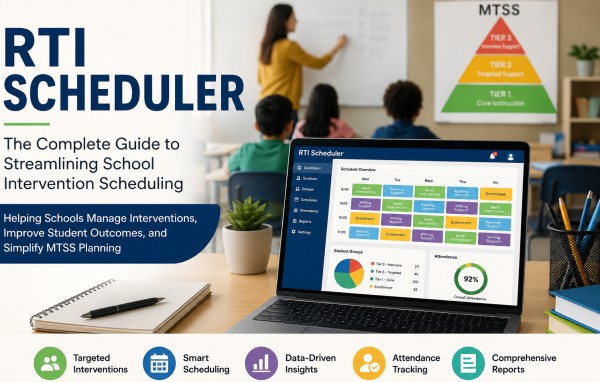
In the modern digital age, managing appointments, requests, and information services efficiently has become a major priority for organizations and individuals. The term “RTI scheduler” is increasingly searched by people looking for better ways to handle scheduling tasks, online requests, and service management. Whether connected with Right to Information services, appointment booking systems, or digital workflow management, an RTI scheduler helps create a more organized and accessible process.
A reliable scheduling system allows users to complete tasks without unnecessary delays. Instead of depending on traditional methods such as physical visits, manual registers, or repeated phone communication, online scheduling platforms provide a faster and more transparent approach. RTI scheduler solutions are designed to simplify communication between users and organizations by managing time slots, requests, and important updates.
As digital transformation continues to influence government services, businesses, educational institutions, and professional organizations, scheduling technology has become an essential tool. Understanding how an RTI scheduler works, why it matters, and how it improves user experience can help individuals and organizations make better decisions when using digital platforms.
Understanding the Meaning of RTI Scheduler
An RTI scheduler refers to a scheduling system used to organize appointments, requests, or information-related activities. In many situations, RTI stands for “Right to Information,” a process that allows citizens to request access to information from public authorities. A scheduler connected with this process can help manage applications, meetings, appointments, and communication more effectively.
The main purpose of an RTI scheduler is to create a structured system where users and administrators can manage requests without confusion. It provides a digital environment where available schedules, request details, and updates can be handled in an organized way. This reduces the dependency on manual processes and helps improve overall efficiency.
Modern scheduling solutions are often designed with user-friendly interfaces that allow people to submit information requests, select appointment times, and monitor progress. These systems focus on improving accessibility while helping organizations maintain accurate records and provide better service.
The Growing Importance of Online Scheduling Systems
Online scheduling systems have become increasingly important because people expect quick and convenient digital services. In the past, many administrative tasks required physical visits, long waiting times, and multiple follow-ups. A digital scheduler changes this experience by allowing users to complete necessary steps remotely.
For organizations, scheduling software helps manage workloads more effectively. Employees can organize appointments, track requests, and avoid scheduling conflicts. A centralized system ensures that important information is stored properly and can be accessed when needed.
The popularity of online appointment scheduling is also connected to increased internet accessibility. More people now prefer using websites and digital platforms for services because they offer flexibility. An RTI scheduler supports this trend by providing a convenient method for handling requests and appointments from any location.
How an RTI Scheduler Works
An RTI scheduler typically works through an online platform that connects users with an organization’s scheduling system. Users enter their information, submit a request, or select an available time based on the options provided. The system then records the details and updates the schedule automatically.
Behind the scenes, these platforms use databases and calendar management tools to organize information. Each request is stored in a structured format, making it easier for administrators to review and manage applications. Automated scheduling reduces human errors and improves the accuracy of appointment records.
Many scheduling systems also include confirmation messages and reminders. These notifications help users stay informed about their appointments or requests. By keeping everyone updated, the system creates a smoother communication process between the service provider and the user.
Key Features of a Reliable RTI Scheduler
A good RTI scheduler focuses on simplicity, accuracy, and accessibility. One important feature is online appointment management, which allows users to choose suitable times without waiting for manual approval processes. This makes services more convenient and reduces unnecessary delays.
Another valuable feature is request tracking. Users often want to know the current status of their application or appointment. A scheduler with tracking capabilities allows individuals to monitor progress and receive updates without repeatedly contacting the organization.
Security is also a major consideration for digital scheduling platforms. Since these systems may handle personal details and official requests, protecting user information is essential. Reliable scheduling tools use secure methods to manage data and maintain confidentiality.
Benefits of Using an RTI Scheduler
One of the biggest advantages of an RTI scheduler is improved time management. By organizing requests and appointments digitally, both users and organizations can save valuable time. The system reduces administrative tasks and allows staff members to focus on completing important responsibilities.
Another benefit is improved transparency. When users can view appointment details, request status, and communication updates, they gain more confidence in the process. Transparency helps create trust between citizens, customers, and service providers.
Digital scheduling also improves accessibility. People who cannot easily visit offices or make repeated phone calls can use online platforms to submit requests and manage appointments. This makes services available to a wider range of users.
RTI Scheduler and Right to Information Services
Right to Information services are designed to promote transparency and allow citizens to access public information. Managing these requests can become challenging when organizations receive large numbers of applications. An RTI scheduler helps organize these processes by providing a clear structure for handling information requests.
A scheduling system can support RTI-related activities by managing appointments, consultations, document requests, and communication. It allows authorities to handle requests systematically while giving users a clearer understanding of the process.
The use of digital tools in RTI services reflects a broader movement toward open governance and improved public access. Technology makes it easier for organizations to respond efficiently while helping citizens interact with institutions in a more convenient way.
The Role of Automation in Modern Scheduling
Automation has changed how scheduling platforms operate. Traditional scheduling required staff members to manually record appointments and update information. Automated systems now perform many of these tasks instantly, reducing workload and improving accuracy.
An automated RTI scheduler can manage available time slots, send reminders, and organize incoming requests. These features create a smoother experience for both administrators and users. Automation also reduces the possibility of mistakes caused by manual data entry.
Future scheduling systems are expected to become even more advanced with artificial intelligence and smart technology. AI-based scheduling tools may analyze patterns, recommend suitable appointment times, and provide faster responses to common user questions.
Common Uses of RTI Scheduler Platforms
Although the term RTI scheduler is often connected with information requests, scheduling technology has applications across many industries. Government departments can use these systems to manage citizen appointments, public inquiries, and administrative processes.
Educational institutions may use scheduling platforms for meetings, student support services, and administrative appointments. These tools allow students, teachers, and staff to coordinate schedules more effectively while reducing communication problems.
Businesses and professional organizations also benefit from online scheduling systems. Customer appointments, consultations, and service requests can all be managed through digital platforms. The same principles of organization and efficiency apply across different industries.
How to Choose the Right RTI Scheduler
Choosing the right RTI scheduler depends on the needs of the user or organization. A suitable system should provide an easy-to-understand interface, reliable performance, and useful management features. If a platform is too complicated, it may create more problems instead of solving scheduling challenges.
Security and privacy should always be considered when selecting a scheduling solution. Users should trust that their information is handled responsibly. Organizations should choose systems that provide strong data protection and proper access management.
A good scheduler should also be flexible enough to grow with changing needs. As the number of users and requests increases, the platform should continue working efficiently without reducing service quality.
The Future of RTI Scheduler Technology
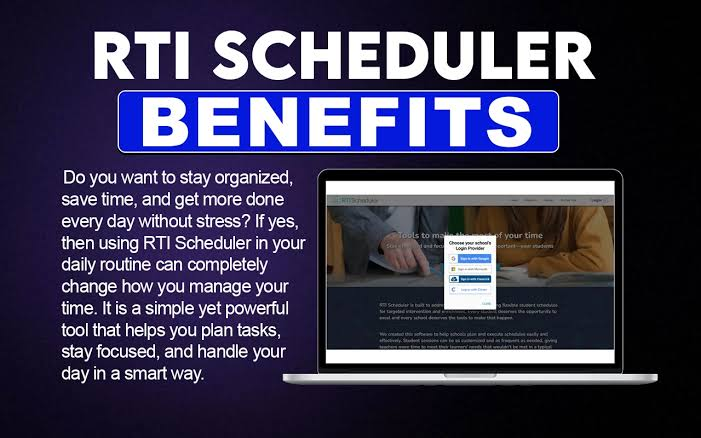
The future of RTI scheduler technology is connected with digital innovation and improved user experiences. As more organizations move toward online services, scheduling systems will continue becoming an important part of everyday operations.
Artificial intelligence, automation, and data analysis are expected to make scheduling platforms smarter. Future systems may provide personalized recommendations, faster processing, and improved communication between users and organizations.
The goal of future scheduling technology is not only to manage appointments but also to create smoother interactions. By combining convenience, transparency, and efficiency, advanced schedulers can improve how people access important services.
Conclusion
An RTI scheduler is a valuable digital solution that helps manage appointments, requests, and information-related processes in an organized way. It replaces outdated manual methods with efficient online systems that improve accessibility, transparency, and communication.
As digital services continue to expand, scheduling platforms will become increasingly important for governments, businesses, educational institutions, and other organizations. A well-designed RTI scheduler saves time, reduces confusion, and creates a better experience for everyone involved.
Understanding how RTI scheduler systems work allows users to take advantage of modern technology and manage their requests more effectively. With continued advancements in automation and digital tools, scheduling solutions will continue to play a major role in creating faster, simpler, and more reliable services.