
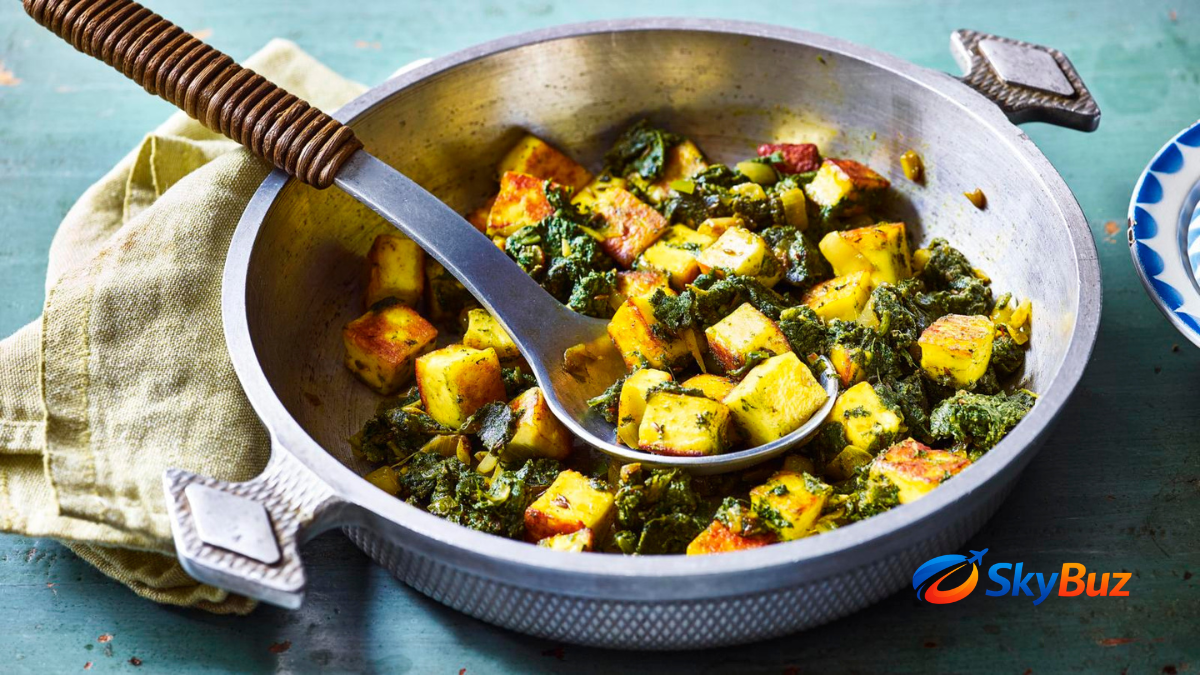
Saag paneer is a beloved North Indian curry that has earned a permanent place on British restaurant menus and in home kitchens across the UK. This comforting dish combines cubes of soft paneer with a rich, spiced purée of leafy greens, resulting in a meal that is hearty, wholesome and deeply satisfying. With its creamy texture and gently warming spices, saag paneer offers both nourishment and indulgence in every spoonful.
The popularity of saag paneer continues to grow as more people seek flavourful vegetarian meals that do not compromise on taste. Rooted in Punjabi culinary tradition, this dish showcases how simple ingredients such as spinach, mustard greens and fresh cheese can be transformed into something extraordinary. Whether served with fluffy basmati rice or warm naan bread, it remains a timeless favourite for curry lovers.
The Origins and Cultural Significance of Saag Paneer
Saag paneer originates from the Punjab region of the Indian subcontinent, where leafy greens are a staple part of everyday cooking. In rural communities, seasonal greens such as mustard leaves, fenugreek and spinach were slow-cooked with spices to create nourishing meals during cooler months. Paneer was added as a valuable source of protein, making the dish both filling and balanced.
Over time, saag paneer travelled beyond India and became a cornerstone of British-Indian cuisine. Its mild heat and creamy consistency appeal to a wide audience, especially those new to Indian food. Today, it symbolises the successful blending of tradition and modern dining, maintaining its authenticity while adapting to local tastes and ingredients available in UK supermarkets.
Understanding the Key Ingredients
At the heart of saag paneer are fresh leafy greens. Traditionally, a mixture of mustard greens and spinach is used to achieve a robust and slightly earthy flavour. In the UK, where mustard greens may be less common, cooks often rely on spinach, kale or spring greens to recreate the authentic taste while preserving the dish’s vibrant green colour.
Paneer, a firm and non-melting Indian cheese, is equally essential. Its mild flavour allows it to absorb the spices and richness of the sauce without overpowering the greens. Aromatics such as ginger, garlic, green chillies and cumin seeds build the flavour base, while garam masala and turmeric provide warmth and depth. A touch of cream or butter enhances the luxurious finish associated with restaurant-style saag paneer.
Saag Paneer and Palak Paneer: What Is the Difference?
Although often used interchangeably, saag paneer and palak paneer are not exactly the same. Palak paneer is made exclusively with spinach, resulting in a smoother and slightly sweeter curry. Saag paneer, by contrast, traditionally includes a blend of greens, giving it a more complex and layered flavour profile that reflects regional Punjabi cooking.
In many UK restaurants, spinach is the primary green used due to availability and convenience. However, home cooks can experiment with different combinations of leafy vegetables to achieve a more authentic result. Understanding this distinction not only enhances culinary knowledge but also allows diners to appreciate the subtle differences between these two popular vegetarian curries.
Step-by-Step Guide to Making Saag Paneer
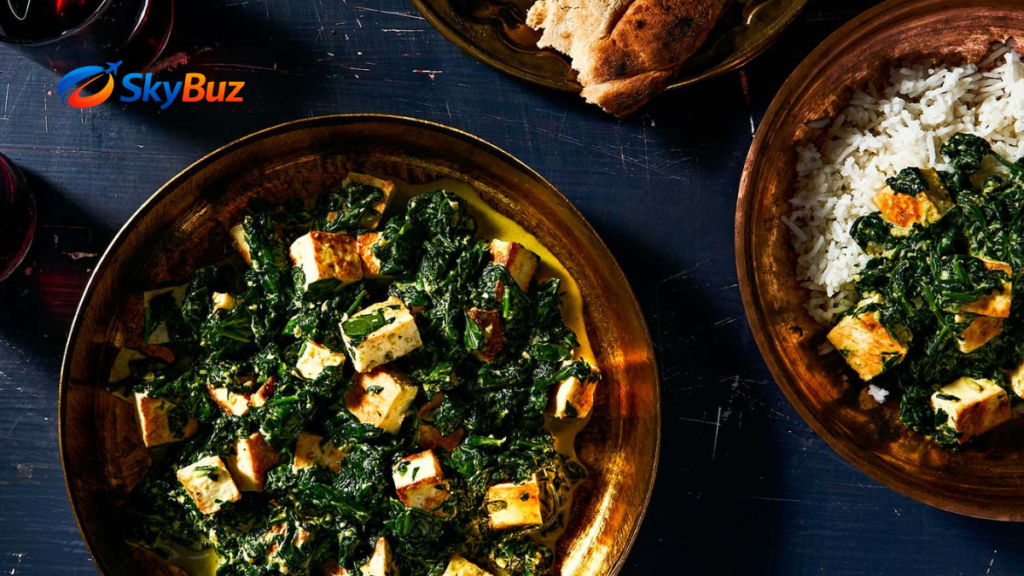
Preparing saag paneer begins with blanching the greens briefly in boiling water to preserve their colour and reduce bitterness. Once drained, the greens are blended into a coarse or smooth purée, depending on personal preference. Meanwhile, onions are sautéed with ginger, garlic and spices until fragrant, forming the aromatic base of the dish.
The blended greens are then added to the pan and gently simmered to allow the flavours to meld together. Lightly fried paneer cubes are stirred into the sauce and cooked until tender. A final swirl of cream or butter completes the curry, creating the rich and velvety texture that defines authentic saag paneer. Patience during simmering ensures a harmonious balance of spice and freshness.
Tips for Achieving Restaurant-Style Flavour
One of the secrets to perfect saag paneer is treating the paneer with care. Soaking the cubes in warm water before cooking helps maintain their softness and prevents a rubbery texture. Frying them lightly in oil adds a delicate golden crust that enhances both taste and appearance without making them tough.
Balancing spices is equally important. Too much turmeric can overpower the greens, while insufficient seasoning may result in a bland curry. A small amount of garam masala added at the end of cooking intensifies the aroma and gives saag paneer its characteristic warmth. Using fresh ingredients and allowing enough time for simmering will elevate the overall flavour significantly.
Serving Suggestions and Perfect Pairings
Saag paneer is traditionally served hot, accompanied by Indian breads such as naan, roti or paratha. These breads are perfect for scooping up the creamy green sauce and tender paneer cubes. Steamed basmati rice also makes an excellent pairing, providing a neutral base that complements the richness of the curry.
For a complete meal, consider serving saag paneer alongside lentil dishes like dal or a chickpea curry. A simple cucumber raita or fresh salad can add contrast and balance. This versatility makes the dish suitable for both everyday dinners and special gatherings, offering comfort and sophistication in equal measure.
Nutritional Benefits of Saag Paneer
Beyond its delightful flavour, saag paneer offers notable nutritional benefits. The leafy greens are rich in iron, folate and fibre, contributing to overall health and vitality. Paneer provides a valuable source of protein and calcium, supporting muscle strength and bone health, particularly in vegetarian diets.
While the addition of cream or butter increases richness, these elements can be adjusted to suit dietary preferences. By moderating portion sizes and using fresh ingredients, saag paneer can form part of a balanced and nourishing meal. Its combination of greens and dairy ensures that indulgence and nutrition go hand in hand.
Conclusion
Saag paneer remains one of the most iconic vegetarian curries, celebrated for its comforting texture and layered flavours. From its humble origins in Punjabi kitchens to its widespread popularity across the UK, this dish demonstrates the enduring appeal of traditional cooking techniques and wholesome ingredients.
Whether prepared for a cosy family supper or a festive occasion, saag paneer continues to impress with its creamy consistency and fragrant spices. By understanding its roots, mastering the method and choosing quality ingredients, anyone can recreate this authentic Punjabi classic at home and enjoy a true taste of culinary heritage.
Frequently asked questions
What is saag paneer made of?
Saag paneer is made from leafy greens like spinach or mustard greens cooked with paneer, spices, and cream or butter.
What is the difference between saag paneer and palak paneer?
Saag paneer uses mixed greens, while palak paneer is made only with spinach.
Is saag paneer healthy?
Yes, saag paneer is rich in protein, calcium, iron and fibre when prepared with moderate cream.
Can I make saag paneer vegan?
Yes, you can replace paneer with tofu and use coconut milk instead of cream.
How do I keep paneer soft in saag paneer?
Soak paneer cubes in warm water before cooking to keep them soft and tender.
Can I freeze saag paneer?
Yes, saag paneer can be frozen, though the texture of paneer may slightly change after reheating.
What should I serve with saag paneer?
Saag paneer is best served with naan, roti, paratha or basmati rice.
Is saag paneer gluten-free?
Yes, saag paneer is naturally gluten-free when served without wheat-based breads.
Also Read: audi r8