
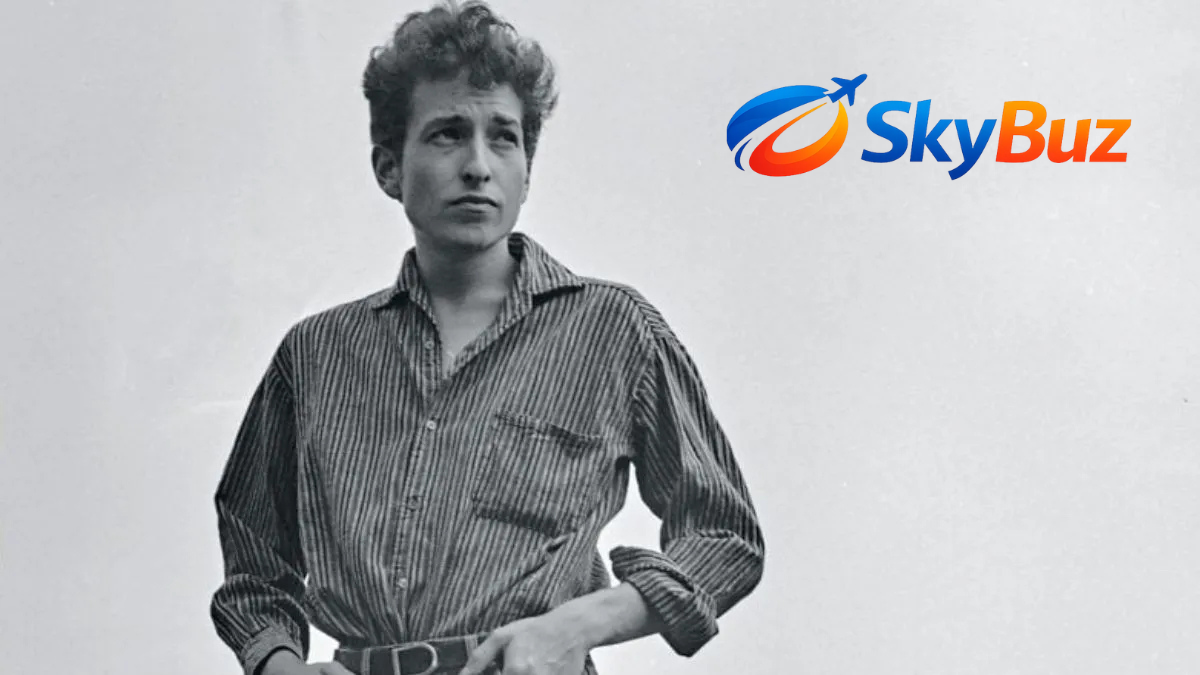
Bob Dylan Young captures a fascinating period in the life of one of the most influential musicians of the 20th century. Born Robert Allen Zimmerman on 24 May 1941 in Hibbing, Minnesota, he grew up in a tight-knit Jewish family. From an early age, he showed curiosity about music, literature, and art, which would later become defining elements of his songwriting. Exploring Bob Dylan Young gives insight into the roots of a legendary career that shaped folk and rock music worldwide.
During his childhood, Bob Dylan Young was surrounded by musical influences ranging from gospel to blues. He picked up his first guitar in his early teens and began experimenting with songs by contemporary artists. Local radio stations and records inspired his style, while family support allowed him to explore his creativity. These formative experiences planted the seeds of a musician who would eventually revolutionise songwriting and performance through storytelling and poetic lyricism.
Early Life and Family Background
Bob Dylan Young was born into a family that valued culture, learning, and perseverance. His father, Abram Zimmerman, worked in small business, while his mother, Beatrice, nurtured his love of music and literature. Growing up alongside his siblings, Dylan experienced the modest yet culturally rich life of a Midwestern town. This environment shaped his worldview, giving him the ability to observe human emotion and society, which later became central themes in his music.
The young Dylan’s interest in music was complemented by exposure to literature, film, and the folk traditions of his region. Bob Dylan Young spent hours listening to records and learning melodies, developing a remarkable ear for rhythm and tone. He started writing poems and simple songs, experimenting with rhyme and narrative. These creative pursuits, combined with his innate curiosity, prepared him for the challenges and opportunities of pursuing a music career in the 1960s.
Teenage Years and Musical Influences
As a teenager, Bob Dylan Young immersed himself in the sounds of rock and roll, folk, and blues. Artists such as Elvis Presley, Woody Guthrie, and Hank Williams inspired his style and approach to storytelling. Dylan’s early performances at local school events and small clubs allowed him to practice stage presence and refine his musical identity. These formative years were crucial in shaping the confidence and lyrical sophistication that would define his later work.
Bob Dylan Young also experimented with personal style, adopting the iconic look of sunglasses, scarves, and mop-top hair that would become synonymous with his image. His teenage years were filled with musical exploration, poetry, and an eagerness to challenge conventional norms. The combination of artistic curiosity and the desire to communicate ideas through music marked the beginning of a career that would influence generations of musicians and songwriters around the world.
Moving to New York City – The Start of a Career
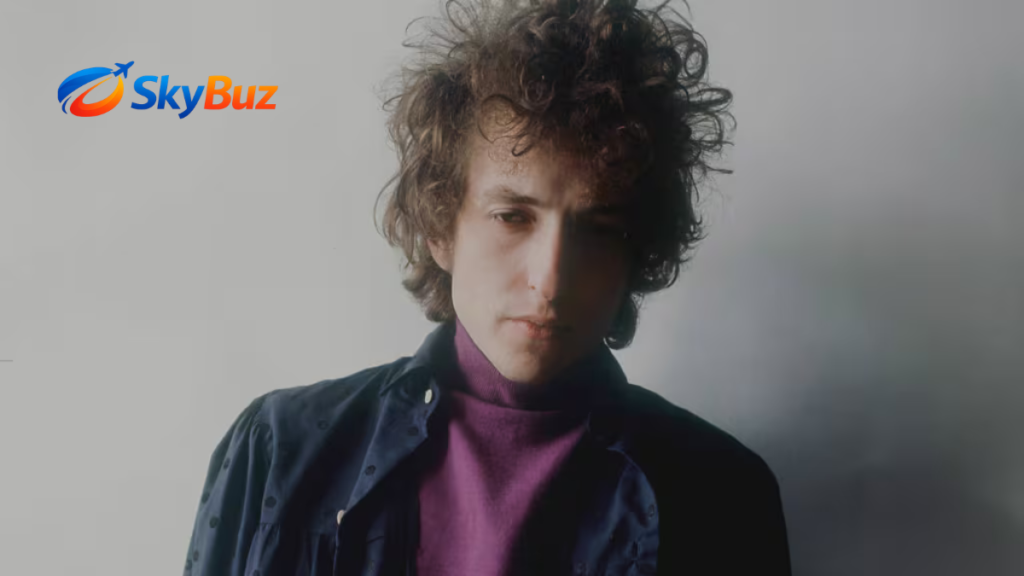
In 1961, Bob Dylan Young made the pivotal move to New York City, a decision that would define his career. Greenwich Village, known for its vibrant folk scene, became the backdrop for his early artistic development. Here, he met influential figures in the music industry, including fellow folk musicians, record producers, and mentors who recognised his talent. Bob Dylan Young’s immersion in this creative environment helped refine his songwriting and performance abilities.
These early years in New York were not without challenges. Dylan faced financial struggles, fierce competition, and the pressure to find his unique voice. However, his determination and dedication to music allowed him to navigate the vibrant but competitive landscape. By performing at coffeehouses, folk clubs, and small venues, Bob Dylan Young began to gain recognition, setting the stage for the release of his debut album and the beginning of a legendary musical journey.
First Recordings and Early Albums
Bob Dylan Young released his debut album, Bob Dylan, in 1962, introducing audiences to his unique approach to folk music. The album featured traditional folk and blues covers, highlighting Dylan’s deep appreciation for the roots of American music. While the album received modest attention initially, it displayed the raw talent and potential of a young artist who would soon become a transformative figure in music.
Following the debut, Bob Dylan Young continued to explore songwriting, blending political, social, and personal themes into his music. Early albums demonstrated his lyrical brilliance and willingness to challenge musical norms. Critics and audiences began to recognise Dylan’s distinctive voice, both literally and figuratively, laying the foundation for the iconic musician and cultural figure he would eventually become.
Iconic Young Bob Dylan Photos
Rare photos of Bob Dylan Young capture the essence of his early years, offering fans a glimpse into the man behind the music. Photographers documented him performing at small venues, engaging with fellow musicians, and living the bohemian lifestyle of Greenwich Village. These images reveal the confidence, curiosity, and individuality that characterised Bob Dylan Young before his global fame.
The significance of these photographs extends beyond nostalgia. They highlight the cultural atmosphere of the 1960s, showing a young musician navigating a world of artistic experimentation and social change. Bob Dylan Young’s images convey not only his appearance but also his personality, style, and the energy that would later influence countless artists and fans.
Challenges and Breakthrough Moments
Despite his talent, Bob Dylan Young faced numerous challenges in the early stages of his career. Financial constraints, fierce competition, and the struggle to find a distinctive voice often tested his resolve. However, key performances, mentorship from established musicians, and his unwavering dedication to craft helped him overcome these obstacles. These experiences became integral to the development of his songwriting and performance skills.
Breakthrough moments, such as early festival appearances and critical acclaim for his albums, solidified Bob Dylan Young’s position in the music world. His ability to blend traditional folk influences with contemporary social commentary distinguished him from other artists of the era. These early triumphs demonstrated the determination, vision, and talent that would define Dylan’s entire career.
Legacy of Bob Dylan Young
The legacy of Bob Dylan Young can be seen in the continued admiration for his early works and his influence on contemporary musicians. His teenage creativity, first recordings, and iconic images continue to inspire artists and fans around the world. Understanding Bob Dylan Young is crucial for appreciating the roots of a career that reshaped folk, rock, and popular music for decades.
By examining his early life, teenage years, and initial career achievements, it becomes clear how Bob Dylan Young’s formative experiences shaped his later success. His ability to translate personal observation into music, coupled with his commitment to innovation, ensures that the story of Bob Dylan Young remains a vital chapter in music history and cultural heritage.
Conclusion
Bob Dylan Young provides a compelling insight into the origins of one of music’s most celebrated figures. From his family upbringing and teenage influences to his move to New York and first albums, every stage of his early life contributed to the legend he became. Exploring Bob Dylan Young allows fans and historians to understand the foundation of his artistry and the formative experiences that shaped his enduring legacy.
Frequently asked questions
What is Bob Dylan Young known for?
Bob Dylan Young is known for his early life, teenage influences, first albums, and iconic appearances in the folk music scene.
Where was Bob Dylan Young born?
He was born Robert Allen Zimmerman in Hibbing, Minnesota, in 1941.
What were Bob Dylan Young’s musical influences?
Folk, blues, and early rock and roll artists shaped Bob Dylan Young’s musical style.
When did Bob Dylan Young move to New York City?
He moved in 1961 to pursue his music career and join the Greenwich Village folk scene.
What are some rare photos of Bob Dylan Young?
Photos show him performing, rehearsing, and living his early life before worldwide fame.
What was Bob Dylan Young’s first album?
His debut album, Bob Dylan, released in 1962, featured traditional folk and blues songs.
How did Bob Dylan Young influence music?
His innovative songwriting, poetic lyrics, and unique voice reshaped folk and rock music.
Also Read: lisa loiacono