
Table of Contents
Introduction to Egg Foo Young and Its Cultural Background
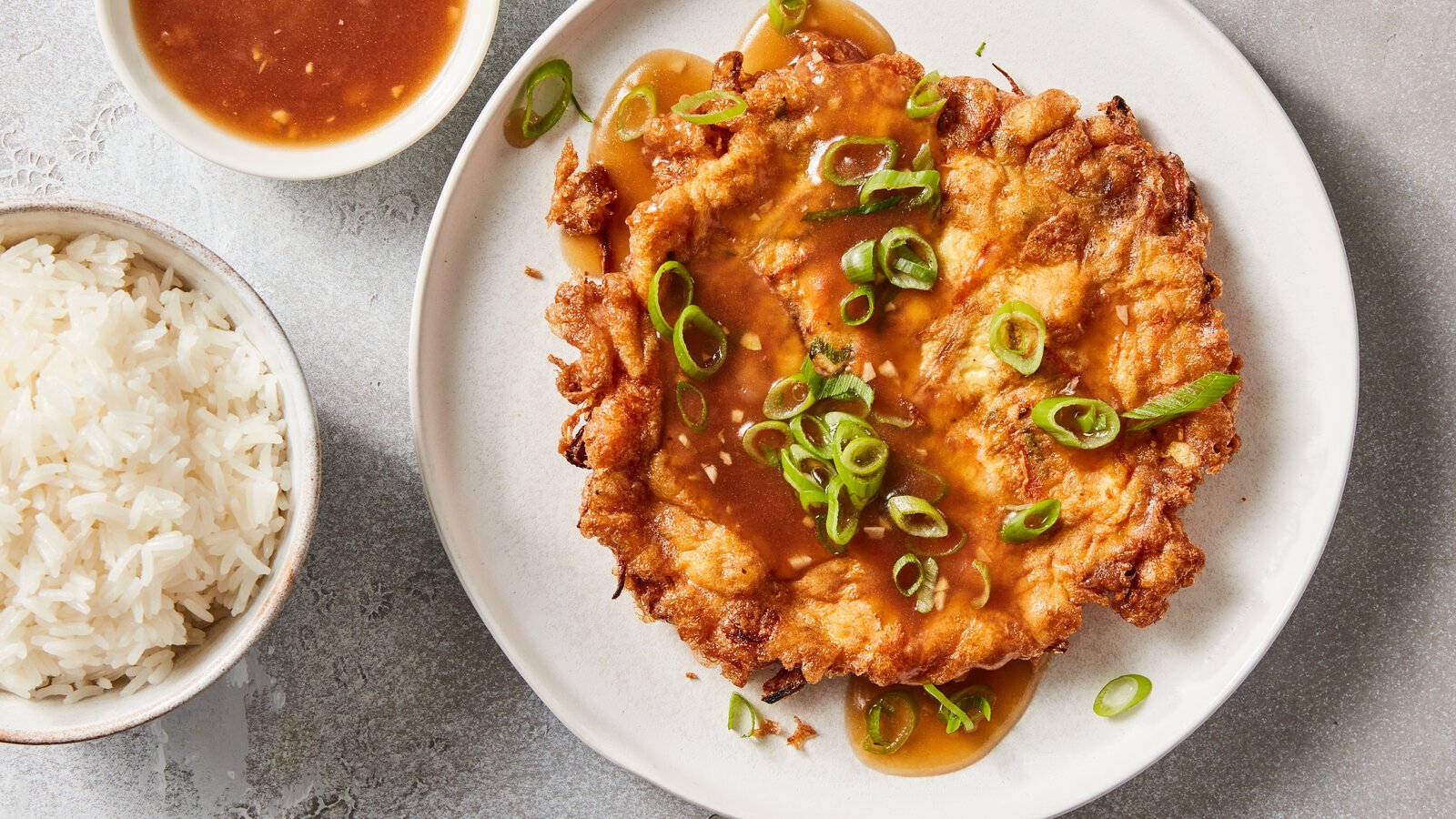
Egg Foo Young is a popular Chinese-style omelette dish known for its fluffy texture, savory flavor, and combination of eggs with vegetables, meat, seafood, and a rich sauce. It is a traditional dish that has become especially popular in Chinese restaurants around the world, particularly in Chinese-American cuisine. Made with beaten eggs mixed with ingredients such as bean sprouts, onions, mushrooms, shrimp, chicken, or pork, Egg Foo Young is a comforting meal that represents the creativity and adaptability of Chinese cooking.
The name Egg Foo Young comes from the Cantonese phrase meaning “hibiscus egg,” referring to the appearance of the cooked egg mixture, which resembles the shape and softness of a blooming flower. The dish is connected to Cantonese cooking traditions, where combining eggs with fresh ingredients was a practical way to create flavorful and nutritious meals. Over time, different regions and chefs have developed their own versions, creating many variations of this classic recipe.
Today, Egg Foo Young is enjoyed by people who appreciate simple ingredients transformed into a satisfying dish. It is commonly served with a flavorful brown gravy or sauce that enhances the eggs and fillings. Its popularity comes from its balance of protein, vegetables, and comforting flavors, making it a favorite choice for both traditional Chinese food lovers and those discovering Chinese cuisine for the first time.
The History and Origins of Egg Foo Young
The history of Egg Foo Young is closely connected to Cantonese culinary traditions from southern China. Cantonese cuisine is known for emphasizing fresh ingredients, balanced flavors, and cooking techniques that preserve the natural taste of food. Egg-based dishes have been part of Chinese cooking for centuries because eggs are affordable, nutritious, and easy to combine with many ingredients.
Egg Foo Young became internationally recognized as Chinese immigrants brought their cooking traditions to other parts of the world. As Chinese communities grew in countries such as the United States, restaurants adapted traditional recipes to match local tastes and available ingredients. This adaptation helped Egg Foo Young become a familiar dish on many Chinese restaurant menus.
The Chinese-American version of Egg Foo Young often includes a thicker omelette, additional vegetables, and a savory sauce served on top. While it differs from some traditional Chinese preparations, it reflects the way immigrant cuisines naturally evolve. The dish demonstrates how food traditions can maintain cultural roots while adapting to new environments.
Over generations, Egg Foo Young has remained popular because it represents the heart of home-style cooking. It uses simple ingredients, allows flexibility, and creates a satisfying meal without requiring complicated preparation methods.
Ingredients and Traditional Preparation of Egg Foo Young
The basic ingredients of Egg Foo Young are simple but create a complex and enjoyable flavor. Eggs form the foundation of the dish, providing structure and richness. The eggs are usually beaten and mixed with vegetables and protein ingredients before being cooked into a thick, fluffy omelette.
Common ingredients include bean sprouts, green onions, mushrooms, onions, carrots, and cabbage. These vegetables provide freshness, texture, and natural sweetness. Protein options often include shrimp, chicken, pork, beef, or crab, allowing the dish to be customized according to personal preference and regional cooking styles.
The preparation method typically involves combining the eggs with the chosen fillings and cooking the mixture until the outside becomes lightly golden while the inside remains soft. Traditional cooking methods often use a wok because the shape allows even heating and creates the characteristic texture associated with Chinese cuisine.
A key feature of Egg Foo Young is the sauce served with it. Many versions include a savory brown gravy made with ingredients such as soy sauce, broth, and seasonings. The sauce adds moisture and depth, transforming the simple egg omelette into a more complete and flavorful dish.
How Egg Foo Young Is Cooked and Served
Cooking Egg Foo Young requires careful control of heat to achieve the right texture. The goal is to create an omelette that is firm enough to hold its shape but still light and fluffy inside. Too much heat can make the eggs dry, while insufficient heat may prevent the omelette from developing a pleasant texture.
Traditionally, the egg mixture is cooked in a wok with oil, allowing the omelette to develop a slightly crisp exterior. Some restaurant versions are deep-fried or cooked with more oil to create a thicker texture, while homemade versions may use less oil for a lighter preparation.
Egg Foo Young is usually served hot with sauce poured over the top or placed on the side. The combination of soft eggs, crunchy vegetables, savory fillings, and rich sauce creates a balanced eating experience. It is often served with steamed rice, which absorbs the flavorful gravy and completes the meal.
The dish can be enjoyed for lunch, dinner, or even breakfast because eggs make it naturally suitable for different meal times. Its versatility is one reason why it continues to appear on Chinese restaurant menus worldwide.
Popular Variations of Egg Foo Young Around the World
One of the reasons Egg Foo Young remains popular is its ability to adapt to different tastes and cultures. While the traditional concept remains the same, variations have developed depending on regional preferences and available ingredients.
Shrimp Egg Foo Young is one of the most common versions, featuring small pieces of shrimp mixed with eggs and vegetables. The seafood adds a delicate sweetness and pairs well with the savory sauce. Chicken Egg Foo Young is another popular choice because chicken provides a mild flavor that works well with the other ingredients.
Pork Egg Foo Young is also widely enjoyed, especially in Chinese-American restaurants. The rich flavor of pork complements the eggs and vegetables, creating a hearty version of the dish. Vegetarian Egg Foo Young is another option, using mushrooms, tofu, and various vegetables instead of meat or seafood.
Different cultures have also influenced how Egg Foo Young is prepared. Some versions may include additional spices, different sauces, or alternative cooking methods. These variations show the flexibility of the dish and its ability to remain relevant in changing food cultures.
Nutritional Value and Health Benefits of Egg Foo Young
Egg Foo Young can be a nutritious meal because it contains protein from eggs and additional ingredients such as meat, seafood, or vegetables. Eggs provide essential nutrients, including high-quality protein, vitamins, and minerals that support overall health.
The vegetables commonly used in Egg Foo Young contribute important nutrients and dietary fiber. Ingredients such as bean sprouts, mushrooms, onions, and cabbage add vitamins, minerals, and plant-based compounds while improving the texture and flavor of the dish.
The overall nutritional value depends on preparation methods and added ingredients. Restaurant versions may contain more oil or sodium because of cooking techniques and sauces. Homemade Egg Foo Young allows greater control over ingredients, making it easier to adjust the amount of oil, salt, and sauce.
For a balanced meal, Egg Foo Young can be paired with vegetables, brown rice, or other nutrient-rich side dishes. When prepared thoughtfully, it can be a satisfying option that provides protein, flavor, and variety.
Tips for Making Delicious Egg Foo Young at Home
Making Egg at home allows cooks to customize the dish according to personal preferences. Fresh ingredients usually create the best flavor, and choosing quality eggs, vegetables, and proteins can make a noticeable difference in the final result.
The texture of the omelette depends on the balance between eggs and fillings. Adding too many ingredients can prevent the omelette from holding together properly, while using the right amount creates a fluffy and well-structured dish. Cutting ingredients into small pieces also helps ensure even cooking.
The sauce is an important part of the Egg experience. A good sauce should complement the eggs without overpowering them. Balancing savory flavors with the right amount of seasoning creates the restaurant-style taste many people enjoy.
Cooking temperature also plays an important role. Medium heat generally allows the omelette to cook evenly while developing a pleasant golden exterior. Patience during cooking helps achieve the soft and flavorful texture that makes Egg Foo Young special.
Egg Foo Young in Modern Chinese Cuisine and Global Food Culture
Egg continues to hold an important place in modern Chinese cuisine because it represents both tradition and adaptation. It connects classic Chinese cooking principles with the preferences of different communities around the world.
In Chinese restaurants outside Asia, Egg has become one of the recognizable dishes associated with Chinese-American dining. Alongside dishes such as fried rice, chow mein, and sweet and sour dishes, it has helped introduce many people to Chinese flavors and cooking styles.
Modern chefs continue experimenting with Egg by using new ingredients and creative presentations. Some versions focus on healthier cooking methods, while others explore new flavor combinations inspired by different cuisines.
Despite these changes, the core idea remains the same: combining eggs with flavorful ingredients to create a comforting and satisfying dish. This balance between tradition and innovation is what allows Egg to remain popular.
Why Egg Foo Young Remains a Beloved Dish
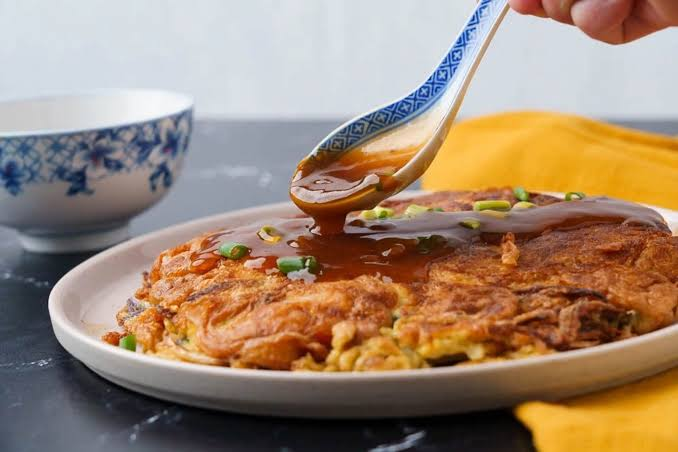
The lasting appeal of Egg comes from its combination of simplicity, flavor, and versatility. It transforms basic ingredients into a dish that feels complete and satisfying. The soft eggs, fresh vegetables, savory fillings, and flavorful sauce create a unique experience that appeals to many different tastes.
Unlike dishes that depend on complicated techniques or rare ingredients, Egg can be prepared in many kitchens using easily available foods. This accessibility has helped it remain popular among home cooks and restaurant customers alike.
The dish also represents an important part of Chinese culinary history. It shows how traditional recipes can travel across borders, adapt to new cultures, and continue to be appreciated by new generations.
Conclusion: Is Egg Foo Young Worth Trying?
Egg Foo Young is a classic dish that combines the best qualities of Chinese cooking: fresh ingredients, balanced flavors, and practical preparation. From its Cantonese origins to its popularity in Chinese-American restaurants, the dish has developed into a worldwide favorite.
Its combination of eggs, vegetables, proteins, and savory sauce makes it both comforting and versatile. Whether enjoyed at a restaurant or prepared at home, Egg offers a delicious way to experience Chinese-inspired cuisine.
For anyone looking for a flavorful meal with a rich cultural background, Egg Young is an excellent choice. Its long history, flexible ingredients, and satisfying taste explain why this classic Chinese omelette continues to be enjoyed around the world.