

A gluten free cheesecake recipe has become an essential addition to many British kitchens, especially as awareness of coeliac disease and gluten intolerance continues to grow. Cheesecake is one of those timeless desserts that feels indulgent yet comforting, making it a centrepiece for birthdays, Sunday roasts and festive gatherings. Thankfully, going gluten free does not mean sacrificing flavour or texture.
This easy, creamy and foolproof classic bake delivers everything you would expect from a traditional cheesecake. With a crisp gluten-free biscuit base and a luxuriously smooth filling, it proves that thoughtful ingredient swaps can achieve remarkable results. Whether you are an experienced baker or trying your first gluten free cheesecake recipe, this guide ensures confidence from start to finish.
What Makes a Gluten Free Cheesecake Recipe Different
The primary difference in a gluten free cheesecake recipe lies in the base. Traditional cheesecakes often rely on wheat-based digestive biscuits to create a firm crust. In a gluten-free version, these are replaced with certified gluten-free digestives, oat biscuits labelled gluten free, or even ground almonds for a naturally wheat-free alternative that still offers structure and flavour.
Interestingly, the filling itself is usually gluten free by nature. Cream cheese, eggs, sugar and cream do not contain gluten, making them safe for most gluten-free diets. However, careful label reading remains essential, particularly when using flavourings, chocolate, or decorative toppings. Attention to these details ensures your gluten free cheesecake recipe remains completely safe and delicious.
Choosing the Right Ingredients for Best Results
High-quality ingredients are the foundation of any successful gluten free cheesecake recipe. Full-fat cream cheese is strongly recommended, as it provides the richness and stability needed for a firm yet creamy texture. Caster sugar blends seamlessly into the mixture, while free-range eggs contribute structure and a smooth finish when baked correctly.
For the base, gluten-free digestive biscuits combined with melted butter create a familiar British flavour profile. Alternatively, almond flour mixed with butter can provide a nutty depth that complements the creamy filling beautifully. Fresh lemon juice and pure vanilla extract enhance the overall flavour, giving your gluten free cheesecake recipe a refined and balanced taste.
Preparing the Perfect Gluten Free Biscuit Base
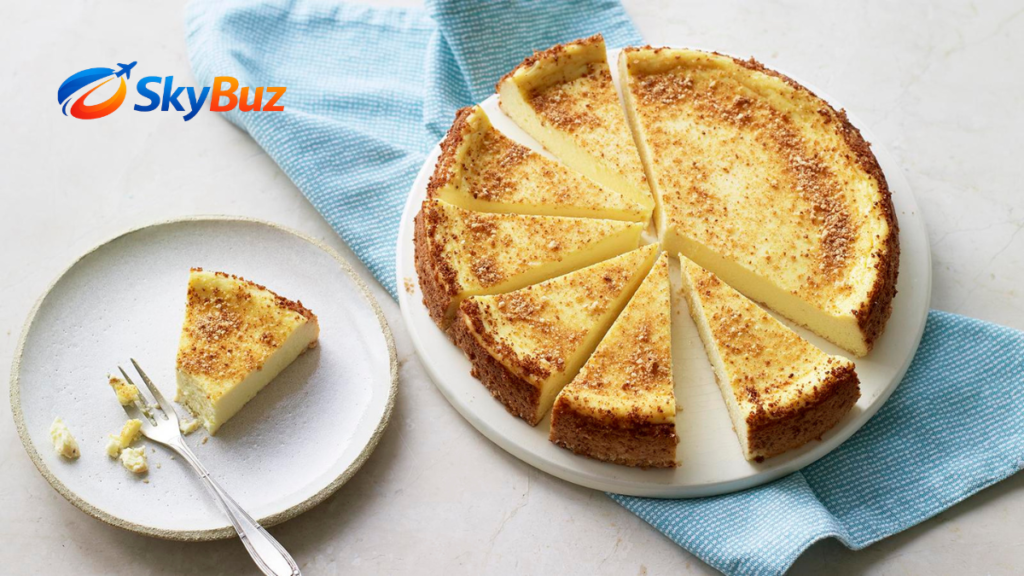
Creating a sturdy base is the first practical step in your gluten free cheesecake recipe. Begin by crushing gluten-free biscuits into fine crumbs, either using a food processor or a rolling pin. The crumbs should resemble sand, ensuring they combine evenly with melted butter and press smoothly into the base of a lined springform tin.
Once the mixture is firmly pressed into the tin, pre-bake it for a short period to help it set. This step prevents the base from becoming soggy once the filling is added. Allowing it to cool slightly before pouring in the cheesecake mixture guarantees a defined layer that contrasts perfectly with the soft, creamy centre.
Crafting a Smooth and Creamy Filling
The filling is where your gluten free cheesecake recipe truly shines. Always bring cream cheese and eggs to room temperature before mixing, as this prevents lumps and encourages a silky consistency. Beat the cream cheese gently until smooth, then gradually add sugar, followed by eggs one at a time to maintain control over the texture.
Avoid overmixing, as incorporating too much air can lead to cracks during baking. A spoonful of sour cream or double cream enhances the richness and helps achieve that luxurious mouthfeel associated with a classic British bake. When poured over the prepared base, the mixture should look glossy and thick, ready for the oven.
Baking Techniques for a Crack-Free Finish
Baking a gluten free cheesecake recipe requires patience and precision. Preheat your oven to a moderate temperature and avoid opening the door frequently, as sudden temperature changes can cause the surface to crack. The cheesecake is ready when the edges appear set but the centre still has a gentle wobble when lightly shaken.
For an extra layer of protection, consider using a water bath, also known as a bain-marie. Placing the tin inside a larger roasting tray filled with hot water creates even heat distribution. This method encourages a creamy texture and reduces the risk of splitting, resulting in a flawless finish worthy of any celebration table.
Cooling, Setting and Serving with Confidence
Cooling your gluten free cheesecake recipe correctly is just as important as baking it properly. Once the oven is turned off, leave the door slightly ajar and allow the cheesecake to cool gradually. This gentle transition prevents sudden shrinkage and surface cracks, preserving its smooth appearance.
After reaching room temperature, refrigerate the cheesecake for at least four to six hours, ideally overnight. This resting period allows the flavours to develop fully and the texture to firm up beautifully. When ready to serve, garnish with fresh berries, a drizzle of chocolate, or a spoonful of lemon curd for an elegant finishing touch.
Creative Variations to Suit Every Occasion
One of the greatest strengths of a gluten free cheesecake recipe is its versatility. For warmer months, a no-bake version using whipped cream and gelatine offers a lighter alternative that still delivers on flavour. Lemon zest and juice can be increased for a refreshing citrus twist that feels bright and summery.
Chocolate lovers may prefer to fold melted dark chocolate into the filling for a rich and indulgent variation. Mini cheesecakes baked in individual cases are ideal for afternoon tea or special events. These creative adaptations demonstrate how a simple gluten free cheesecake recipe can evolve to suit every taste and occasion.
Common Mistakes to Avoid in Gluten Free Baking
Even a straightforward gluten free cheesecake recipe can go wrong without careful attention. Using low-fat cream cheese may result in a runny or unstable texture that fails to set properly. Similarly, skipping the chilling stage can compromise both flavour and structure, leaving the dessert less satisfying.
Another common mistake is neglecting to check ingredient labels thoroughly. Hidden gluten can sometimes appear in flavourings or toppings, so vigilance is essential for those with coeliac disease. By avoiding these pitfalls and following best practices, you can consistently achieve a beautifully baked cheesecake that rivals any traditional version.
Nutritional Considerations and Dietary Adaptations
While indulgent, a gluten free cheesecake recipe can still be enjoyed as part of a balanced diet. Moderation is key, as the dessert contains cream cheese, butter and sugar. Serving modest portions alongside fresh fruit can create a more balanced and visually appealing plate.
For those requiring additional adaptations, dairy-free cream cheese alternatives are widely available in UK supermarkets. Reducing sugar slightly or opting for natural sweeteners can tailor the recipe to personal preferences. With thoughtful substitutions, this gluten free cheesecake recipe can accommodate various dietary needs while maintaining its signature creaminess.
Conclusion
A carefully prepared gluten free cheesecake recipe proves that gluten-free baking need not feel restrictive or complicated. With the right ingredients, proper techniques and a little patience, you can achieve a dessert that is every bit as creamy, rich and satisfying as its traditional counterpart.
This easy, creamy and foolproof classic bake deserves a place in every home baker’s repertoire. Whether served at a festive gathering or enjoyed as a weekend treat, a well-executed gluten free cheesecake recipe offers comfort, elegance and timeless flavour in every slice.
Frequently asked questions
Is this gluten free cheesecake recipe suitable for coeliacs?
Yes, as long as all ingredients used are certified gluten free and labels are carefully checked.
What can I use instead of gluten-free digestive biscuits?
You can use ground almonds, gluten-free oat biscuits, or gluten-free shortbread as a base alternative.
Why did my gluten free cheesecake crack on top?
Cracks usually happen due to overmixing, overbaking, or sudden temperature changes during cooling.
Can I make this gluten free cheesecake recipe as a no-bake version?
Yes, simply use whipped cream and gelatine to help the filling set without baking.
How long does gluten free cheesecake last in the fridge?
It will stay fresh for up to four days when stored in an airtight container in the refrigerator.
Can I freeze gluten free cheesecake?
Yes, you can freeze it for up to three months if wrapped tightly and stored properly.
What is the best cream cheese to use in the UK?
Full-fat cream cheese such as Philadelphia works best for a rich and stable texture.
Also Read: skybuz