

Table of Contents
The golden eagle, scientifically known as Aquila chrysaetos, is one of the most powerful and admired birds of prey on the planet. Famous for its golden-colored feathers, incredible eyesight, and impressive hunting skills, this eagle has fascinated humans for thousands of years. Found across large parts of the Northern Hemisphere, the golden eagle survives in some of the world’s most challenging environments, from high mountain ranges and rocky cliffs to deserts, grasslands, and open wilderness areas.
As a top predator, it plays an essential role in maintaining the balance of nature. It controls populations of smaller animals and helps keep ecosystems healthy. Unlike many birds that depend on a single environment or food source, golden eagles are highly adaptable. Their ability to adjust to different habitats, weather conditions, and prey availability has helped them remain one of the most successful eagle species in the world.
it is not only a remarkable animal but also a symbol of strength, freedom, and courage. Many cultures throughout history have respected this bird because of its powerful flight and hunting ability. Today, scientists, wildlife photographers, and bird lovers continue to study the golden eagle to understand its behavior, protect its habitats, and ensure its survival for future generations.
Physical Features and Amazing Adaptations of the Golden Eagle
it is a large bird of prey with a body designed for speed, strength, and survival. Adult golden eagles typically have a wingspan that can reach around 6 to 7.5 feet, making them among the largest eagles in the world. Their broad wings allow them to glide over long distances without wasting much energy, while their strong muscles help them control their movements during flight and hunting.
One of the most impressive it characteristics is its eyesight. These birds have extremely sharp vision that allows them to detect movement from great distances. Their eyes are specially adapted for spotting prey while flying high above the ground. Once a target is identified, the eagle can quickly change direction and dive toward it with remarkable accuracy.
The golden eagle’s physical design includes a curved, powerful beak and strong talons that are used for catching and carrying prey. Its claws are among its most important hunting tools because they provide a strong grip. The feathers around the head and neck often have a golden-brown shade, which gives the species its famous name. Young golden eagles may have different markings, including lighter patches on their wings and tails, which change as they mature.
Golden Eagle Habitat and Natural Range
it have one of the widest distributions of any eagle species. They are found throughout North America, Europe, Asia, and parts of North Africa. Their preferred habitats usually include open landscapes where they can easily fly, search for food, and monitor their surroundings. Mountain regions, cliffs, and wide valleys are especially important areas for golden eagle populations.
A suitable golden eagle habitat needs more than just space. These birds require safe nesting locations, reliable food sources, and areas with minimal disturbance. Rocky cliffs are often chosen for nests because they provide protection from predators and allow the adults to observe large areas around them. Some it also build nests in tall trees when suitable locations are available.
Although golden eagles are adaptable, changes in the environment can create challenges. Human development, loss of natural land, and disturbances near nesting areas may affect their ability to reproduce successfully. Conservation of wild landscapes is important because the survival of golden eagles depends on the protection of the ecosystems where they live.
Golden Eagle Diet and Powerful Hunting Skills
The it is a highly skilled predator with a flexible diet. Its food choices depend on where it lives and what animals are available. Common prey includes rabbits, hares, squirrels, marmots, and other small mammals. In some regions, golden eagles may also hunt birds, reptiles, and larger animals when opportunities appear.
it are famous for their hunting techniques. They often use their excellent vision while soaring high above the ground. Instead of constantly flying low, they conserve energy by using warm air currents called thermals to remain in the sky for long periods. This allows them to search large areas and locate potential prey efficiently.
When a it attacks, it relies on surprise, speed, and precision. It can fold its wings and dive rapidly toward its target before using its powerful talons to capture it. This combination of patience and strength makes the golden eagle one of the most effective hunters among birds of prey.
Golden Eagle Nesting Habits and Reproduction
Golden eagles are territorial birds that usually form strong breeding pairs. Many pairs stay together for several years and return to the same nesting areas repeatedly. During breeding season, they may perform impressive aerial displays, including soaring, diving, and flying together as a way of strengthening their bond and defending their territory.
Golden eagle nests are large structures made from sticks, grass, and other natural materials. Because these birds often reuse and add to their nests over time, some nests can become extremely large. They usually choose locations that provide safety, such as cliffs or tall trees, where eggs and young chicks are less vulnerable to threats.
The female typically lays a small number of eggs, and both parents contribute to raising the chicks. Young eagles depend on their parents for food and protection until they develop enough strength and skills to survive independently. Learning to fly and hunt takes time, and juvenile must gradually become capable hunters before they can fully live on their own.
Golden Eagle Behavior, Intelligence, and Flight Ability
The behavior of the golden eagle shows how well adapted this bird is to its environment. Although often seen alone or in pairs, golden eagles communicate through calls, body movements, and flight displays. They use these behaviors to protect their territory and interact with their mates.
it are intelligent animals that can make decisions based on their surroundings. They remember productive hunting areas, recognize environmental changes, and adjust their strategies when conditions change. Their survival depends not only on physical strength but also on their ability to respond to challenges.
The flight ability of it is one of its most impressive qualities. It can soar for hours while using air currents to travel long distances with little effort. This efficient style of flight allows it to patrol large territories, search for prey, and move through different landscapes. Seeing a it flying freely is one of the most remarkable experiences in wildlife observation.
Threats Facing Golden Eagles and Conservation Efforts
it has survived for centuries, but it still faces several modern threats. Habitat destruction, human disturbance, and environmental changes can affect eagle populations. The construction of roads, buildings, and energy projects in important habitats may reduce available nesting areas and hunting grounds.
Another concern for it conservation is accidental harm caused by human structures. Collisions with power lines and other obstacles can injure or kill these birds. Pollution and changes in prey populations may also influence their health and breeding success. Protecting golden eagles requires understanding these risks and reducing unnecessary dangers.
Wildlife conservation programs focus on protecting habitats, monitoring populations, and studying it movements. Researchers use observation methods and tracking technology to learn more about where these birds travel and how they survive. Protecting the golden eagle also protects many other species because healthy eagle habitats support diverse wildlife communities.
Golden Eagle Symbolism and Importance in Nature
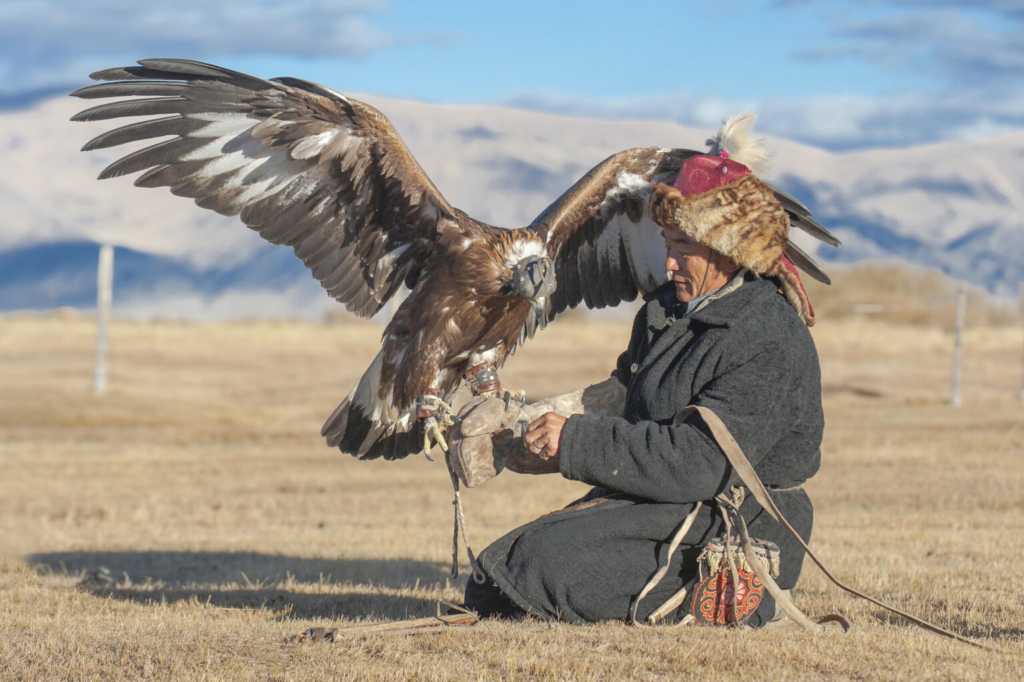
it has played an important role in human culture for thousands of years. Many civilizations viewed eagles as symbols of power, bravery, and freedom. Their ability to fly high above the earth and their impressive hunting skills made them creatures of great respect and admiration.
Beyond symbolism, the golden eagle has an important ecological purpose. As a predator, it helps regulate animal populations and contributes to the stability of natural systems. A healthy population of it can indicate that an environment has enough resources and suitable conditions to support wildlife.
Today, it continues to inspire people around the world. Wildlife enthusiasts travel to observe these birds, photographers capture their movements, and researchers study their behavior. The species reminds people of the importance of protecting nature and preserving the wild spaces where animals can thrive.
Conclusion: Protecting the Future of the Golden Eagle
The golden eagle is one of nature’s greatest examples of strength, adaptability, and survival. With its powerful wings, sharp eyesight, intelligent behavior, and remarkable hunting ability, it has earned its place as one of the most respected birds of prey in the world. From mountain cliffs to open landscapes, this eagle continues to demonstrate the beauty and complexity of wildlife.
Protecting the golden eagle means protecting the ecosystems that support it. Conservation efforts, responsible land use, and awareness of environmental challenges are essential for ensuring that these birds continue to exist in the wild. When natural habitats are preserved, both golden eagles and countless other species benefit.
it is more than just a predator flying above the landscape. It represents the connection between animals, nature, and the environment. By understanding and respecting this magnificent bird, humans can help maintain the balance of nature and allow future generations to experience the wonder of it.