
Table of Contents
Understanding What a Nail Salon Really Is
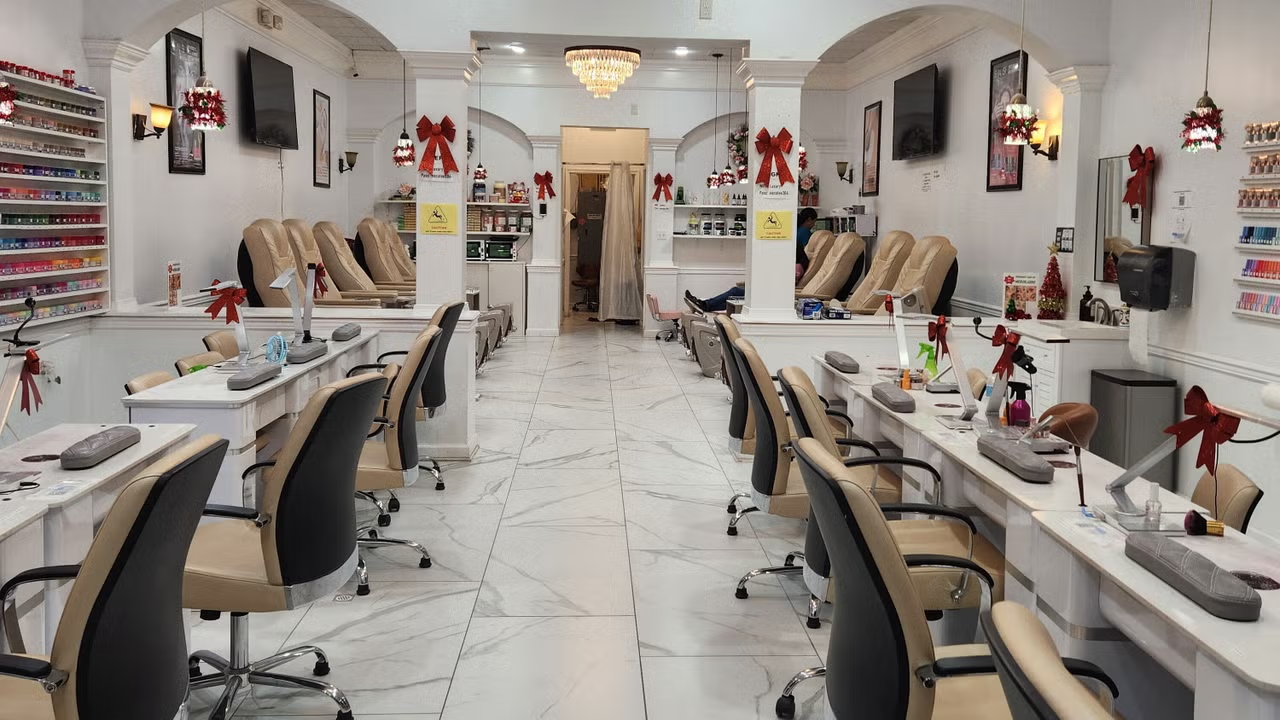
A nail salon is a specialized beauty establishment focused on the care, treatment, and enhancement of fingernails and toenails. It is not just a place for cosmetic grooming but also a service-oriented environment where hygiene, technique, and customer experience come together. Modern nail salons combine traditional grooming methods with advanced nail technologies to deliver both beauty and nail health benefits.
In today’s beauty industry, nail salons are considered an essential part of personal care routines. People visit them for manicures, pedicures, nail extensions, and therapeutic hand and foot treatments. The rise of search terms like “nail salon near me” shows how deeply integrated these services are in everyday self-care habits across different age groups and lifestyles Nail Salon .
The Evolution of Nail Care in the Beauty Industry
Nail care has a long history that dates back thousands of years, with early civilizations using natural materials like plant dyes and oils to decorate nails. Over time, nail care evolved into a structured beauty service, especially with the rise of modern cosmetology in the 20th century. Today, nail salons represent a blend of fashion, hygiene, and wellness.
In recent decades, the industry has expanded rapidly due to social media influence, fashion trends, and the growing demand for self-care services. Nail care is no longer seen as a luxury but as a regular grooming habit. This shift has increased demand for professional nail technicians and advanced services like gel polish, acrylic extensions, and nail art customization.
In recent decades, the industry has expanded rapidly due to social media influence, fashion trends, and the growing demand for self-care services. Nail care is no longer seen as a luxury but as a regular grooming habit. This shift has increased demand for professional nail technicians and advanced services like gel polish, acrylic extensions, and nail art customization.
Manicure Services and Their Importance in Nail Health
A manicure is one of the most common services offered in nail salons and involves the care of fingernails and hands. It typically includes trimming, shaping, cuticle maintenance, exfoliation, moisturizing, and nail polish application. Beyond aesthetics, manicures help maintain nail hygiene and prevent issues like cracked cuticles or brittle nails.
Regular manicures also promote healthy nail growth by improving blood circulation in the hands through massage techniques. Many nail salons now offer spa manicures that include paraffin wax treatments and deep hydration therapies. These services are especially popular among individuals who work with their hands frequently or experience dry skin conditions.
Regular manicures also promote healthy nail growth by improving blood circulation in the hands through massage techniques. Many nail salons now offer spa manicures that include paraffin wax treatments and deep hydration therapies. These services are especially popular among individuals who work with their hands frequently or experience dry skin conditions.
Pedicure Treatments and Foot Care Benefits
Pedicures focus on the care of toenails and feet, combining grooming with therapeutic benefits. A standard pedicure includes soaking the feet, removing dead skin, shaping nails, treating cuticles, and applying polish. This process not only improves appearance but also supports foot hygiene and comfort.
Foot care is often overlooked, but regular pedicures help prevent issues such as calluses, cracked heels, and ingrown toenails. Many modern nail salons offer spa pedicures that include exfoliating scrubs, massage therapy, and moisturizing treatments. These services are especially beneficial for people who spend long hours standing or walking daily.
Regular manicures also promote healthy nail growth by improving blood circulation in the hands through massage techniques. Many nail salons now offer spa manicures that include paraffin wax treatments and deep hydration therapies. These services are especially popular among individuals who work with their hands frequently or experience dry skin conditions.
Gel Nails, Acrylic Nails, and Modern Enhancement Techniques
Nail enhancements have become one of the most in-demand services in nail salons worldwide. Gel nails are widely preferred for their glossy finish and long-lasting durability. They are cured under UV or LED light, making them resistant to chipping and ideal for clients who want a natural yet polished appearance.
Acrylic nails are another popular option, created by combining a liquid monomer and powder polymer to form a strong protective layer. They are often used for nail extensions and creative designs. Dip powder nails have also gained popularity as a healthier alternative, offering strength and durability without the need for UV light exposure. These techniques allow clients to achieve customized nail shapes and styles based on personal preference.
Nail Art Trends and Creative Expression
Nail art has transformed from a simple beauty service into a form of personal expression and fashion statement. Modern nail salons offer intricate designs that include hand painting, stamping, chrome finishes, ombré effects, and 3D embellishments. Social media platforms have played a major role in popularizing these creative styles.
Today, nail art is influenced by seasonal trends, cultural themes, and celebrity fashion. Minimalist designs with neutral tones are popular among professionals, while bold and colorful patterns are favored for special occasions. Nail salons continuously adapt to these trends, making nail art one of the most dynamic aspects of the beauty industry.
Hygiene Standards and Safety Practices in Nail Salons
Hygiene is a critical factor in any professional nail salon. Cleanliness and proper sanitation practices ensure the safety of both clients and technicians. Tools are disinfected after every use, and many salons use disposable items such as nail files and buffers to prevent cross-contamination.
Proper hygiene also extends to technique. Skilled nail technicians are trained to avoid damaging the natural nail during treatments. Incorrect application or removal of nail products can lead to nail thinning or infections. This is why reputable nail salons follow strict safety protocols and often comply with local cosmetology regulations.
The Role of Professional Nail Technicians
Nail technicians are trained professionals who specialize in nail care, product application, and design techniques. Their expertise allows them to assess nail conditions and recommend appropriate treatments. They also stay updated with industry trends, ensuring that clients receive modern and safe services.
Beyond technical skills, nail technicians play an important role in customer experience. They provide personalized recommendations, understand client preferences, and ensure comfort throughout the service. Their knowledge of nail anatomy and cosmetic chemistry helps maintain both beauty and nail health.
Modern Trends and Innovations in Nail Salons
The nail salon industry continues to evolve with new innovations and customer preferences. Natural nail care and eco-friendly products are becoming increasingly popular as clients become more conscious of health and sustainability. Non-toxic polishes and vegan formulations are now widely available in many salons.
Technological advancements have also improved the industry. Online booking systems, digital nail design previews, and improved LED curing technologies have made services more efficient and accessible. Nail salons today are not just beauty centers but also wellness and lifestyle destinations.
Choosing the Right Nail Salon for Best Results
Selecting the right nail salon is important for both safety and satisfaction. A professional salon maintains high hygiene standards, employs trained technicians, and uses quality products. Customer reviews and reputation often reflect the reliability and consistency of a salon’s services.
While affordability is a consideration, quality and safety should always come first. A good nail salon ensures that clients receive durable results without compromising nail health. Trustworthy salons focus on long-term care rather than temporary cosmetic effects, making them a valuable part of personal grooming routines.
Nail Care Routine and Long-Term Maintenance
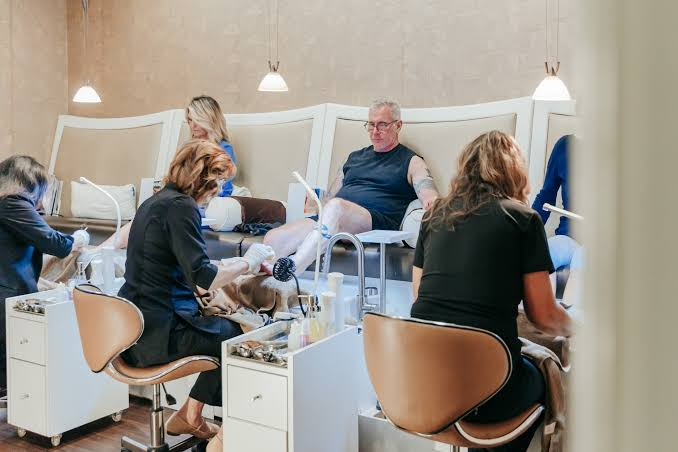
Proper nail care does not end at the salon; it continues at home as well. Keeping nails clean, moisturized, and protected helps maintain salon results for longer periods. Regular trimming and gentle filing prevent breakage and maintain nail shape.
Nutrition also plays a role in nail health. A balanced diet rich in vitamins and proteins supports stronger and healthier nail growth. When combined with professional salon treatments, consistent home care ensures that nails remain strong, smooth, and naturally attractive.
Conclusion: The Growing Importance of Nail Salons in Modern Beauty Culture
Nail salons have become an essential part of the global beauty and wellness industry. They offer a wide range of services that go beyond aesthetics, focusing on hygiene, relaxation, and personal expression. From basic manicures and pedicures to advanced nail extensions and artistic designs, nail salon cater to diverse customer needs.
As trends continue to evolve, the industry is expected to grow further with innovations in products, techniques, and customer experience. The combination of professional expertise, creative artistry, and hygiene standards ensures that nail salons remain a trusted destination for self-care and beauty enhancement in modern society