
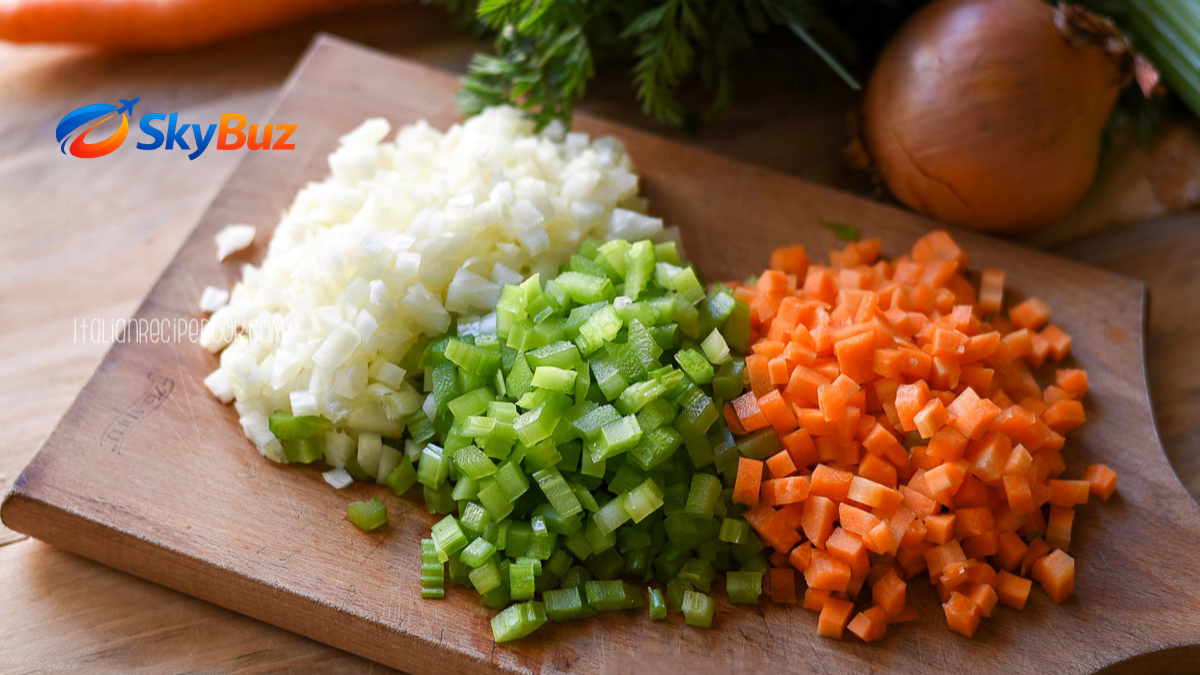
Soffritto is the aromatic heart of Italian cooking, forming the essential base for countless traditional recipes. This humble mixture of finely chopped onion, carrot and celery gently cooked in olive oil creates a foundation of flavour that transforms simple ingredients into deeply satisfying dishes. From rustic countryside kitchens to modern homes, soffritto remains a timeless culinary technique that defines authentic Italian cuisine.
Understanding how to prepare soffritto properly is a skill that elevates everyday cooking. Rather than relying on heavy spices or artificial flavourings, Italian tradition focuses on coaxing natural sweetness and aroma from fresh vegetables. When cooked slowly and carefully, this vegetable base develops a mellow richness that enhances sauces, stews and risottos without overpowering them.
What Is Soffritto and Why It Matters in Italian Cuisine
Soffritto derives from the Italian verb meaning “to slowly fry,” which perfectly describes the gentle cooking process involved. It is not simply a mixture of vegetables thrown into a pan, but a deliberate technique that requires patience and attention. The vegetables are softened over low heat until tender and fragrant, forming the backbone of many iconic Italian dishes.
Its importance lies in the way it builds flavour gradually. Instead of dominating a dish, soffritto supports and deepens other ingredients, whether tomatoes in a ragù or rice in a creamy risotto. This layered approach to flavour is central to Italian gastronomy, demonstrating how simplicity and technique can create remarkable culinary results.
Traditional Soffritto Ingredients and the Perfect Ratio
The classic soffritto follows a balanced ratio of two parts onion to one part carrot and one part celery. This proportion ensures harmony between sweetness, earthiness and subtle freshness. The onion provides body and natural sugars, the carrot adds gentle sweetness and colour, while celery introduces a slightly herbal undertone that rounds out the mixture.
Using fresh, high-quality produce makes a noticeable difference to the final taste. Vegetables should be finely diced into uniform pieces so they cook evenly and blend seamlessly into sauces. Extra virgin olive oil is traditionally used, adding depth and authenticity, although some regional variations may incorporate a small amount of butter for additional richness.
How to Make Soffritto Step by Step
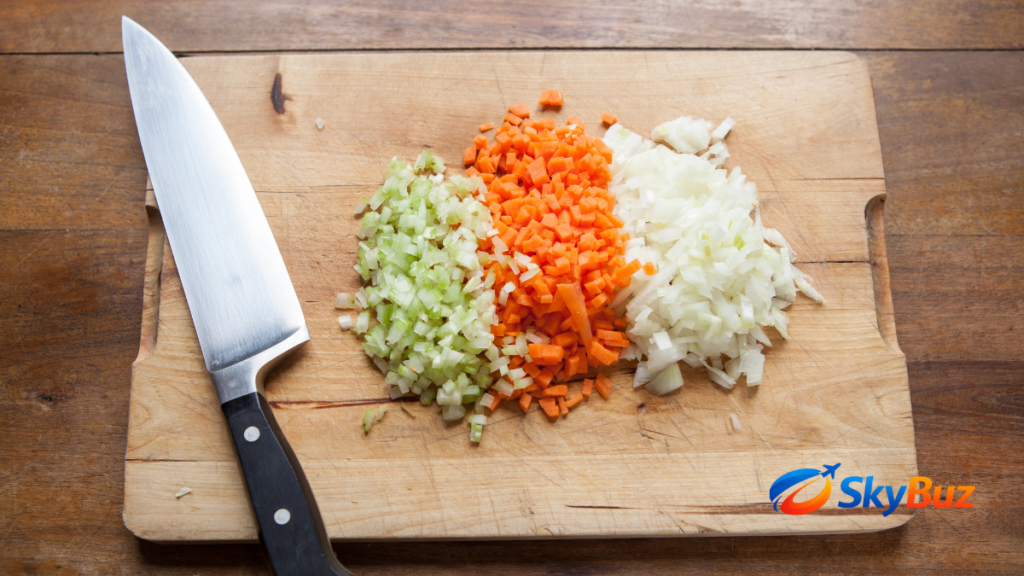
Preparing soffritto begins with careful chopping. Each vegetable should be cut into small, even cubes to ensure consistent cooking. A heavy-based pan helps distribute heat gently, preventing scorching and encouraging slow softening. This initial preparation may seem simple, yet precision at this stage determines the final texture and flavour.
Once added to warm olive oil, the vegetables must be cooked over low heat and stirred occasionally. The aim is to soften them without browning too quickly, allowing their natural sugars to release gradually. After twenty to thirty minutes, the mixture should appear soft, glossy and aromatic, ready to form the base of a wide variety of dishes.
Soffritto vs Mirepoix vs Sofrito
Although similar vegetable bases exist across Europe and beyond, soffritto has its own distinctive character. French mirepoix also combines onion, carrot and celery, yet it is often cooked in butter and may remain slightly chunkier. The flavour profile is gentle, but the culinary context and final dishes differ considerably.
Spanish and Latin American sofrito, by contrast, typically includes garlic, peppers and sometimes tomatoes, producing a bolder and more vibrant mixture. While these bases share a common idea of building flavour from vegetables, soffritto is uniquely Italian in its restrained elegance and emphasis on slow cooking in olive oil.
How to Use Soffritto in Everyday Recipes
Soffritto is indispensable in many beloved Italian recipes. It forms the starting point for ragù, including traditional Bolognese, where it enriches minced meat and tomatoes with subtle sweetness. It is also fundamental in risotto, where it gently perfumes the rice before stock is gradually incorporated.
Beyond pasta and rice dishes, soffritto enhances soups, stews and casseroles. It can transform a simple lentil soup into a deeply comforting meal or add complexity to vegetable-based sauces. Its versatility makes it a valuable technique for both meat-based and vegetarian cooking, proving that a modest combination of vegetables can create extraordinary results.
Storing and Freezing Soffritto for Convenience
One of the practical advantages of soffritto is that it can be prepared in advance. Making a larger batch allows home cooks to save time during busy weeks while still enjoying authentic flavours. Once cooled, it can be stored in an airtight container in the refrigerator for several days without losing its aroma or texture.
For longer storage, soffritto freezes exceptionally well. Dividing it into small portions, such as spoonfuls or ice cube trays, makes it easy to defrost only what is needed. When gently reheated, the flavour remains intact, providing a convenient shortcut to rich and balanced meals.
Tips for Achieving the Best Flavour
Patience is the key to perfect soffritto. Cooking over low heat ensures the vegetables soften gradually rather than caramelising too quickly. Rushing the process may lead to bitterness or uneven texture, whereas careful attention produces a delicate sweetness that defines authentic Italian cooking.
Uniform chopping also contributes significantly to the final result. Finely diced vegetables melt seamlessly into sauces, creating a smooth consistency rather than noticeable chunks. Choosing high-quality olive oil and fresh produce further enhances the overall flavour, demonstrating how simple ingredients can shine when treated with care.
Nutritional Benefits and Mediterranean Influence
Soffritto aligns naturally with the principles of the Mediterranean diet, which emphasises fresh vegetables and healthy fats. Onions, carrots and celery provide fibre, vitamins and antioxidants, contributing to a balanced and nourishing meal. Olive oil adds beneficial monounsaturated fats, supporting heart health when used in moderation.
Because it builds flavour without relying on heavy cream or processed ingredients, soffritto supports wholesome cooking. It allows dishes to taste rich and satisfying while remaining relatively light, making it suitable for modern lifestyles that value both taste and nutrition.
Conclusion
Soffritto represents more than a simple vegetable mixture; it embodies the philosophy of Italian cooking. Through patience, balance and respect for ingredients, this classic base transforms everyday meals into flavourful experiences. Mastering the correct ratio and cooking method unlocks the essence of authentic cuisine.
Whether used in ragù, risotto, soups or sauces, soffritto remains an indispensable technique for anyone seeking to cook with depth and confidence. By embracing this traditional approach, home cooks can bring the warmth and richness of Italy into their own kitchens with every carefully prepared dish.
Frequently Asked Questions
What is soffritto made of?
Soffritto is made from finely chopped onion, carrot and celery gently cooked in olive oil.
What is the traditional ratio for soffritto?
The classic ratio is two parts onion to one part carrot and one part celery.
How long should soffritto be cooked?
Soffritto should be cooked slowly over low heat for about twenty to thirty minutes until soft and fragrant.
Can you freeze soffritto?
Yes, soffritto can be frozen in small portions for up to three months.
What dishes use soffritto as a base?
Soffritto is commonly used in ragù, Bolognese, risotto, soups and stews.
What is the difference between soffritto and mirepoix?
Soffritto is Italian and cooked in olive oil, while mirepoix is French and usually cooked in butter.
Can I add garlic to soffritto?
Yes, garlic can be added for extra flavour, although it is optional in the traditional version.
Is soffritto healthy?
Soffritto is healthy as it contains fresh vegetables and olive oil, fitting well within a balanced Mediterranean diet.
Also Read: g55 amg