
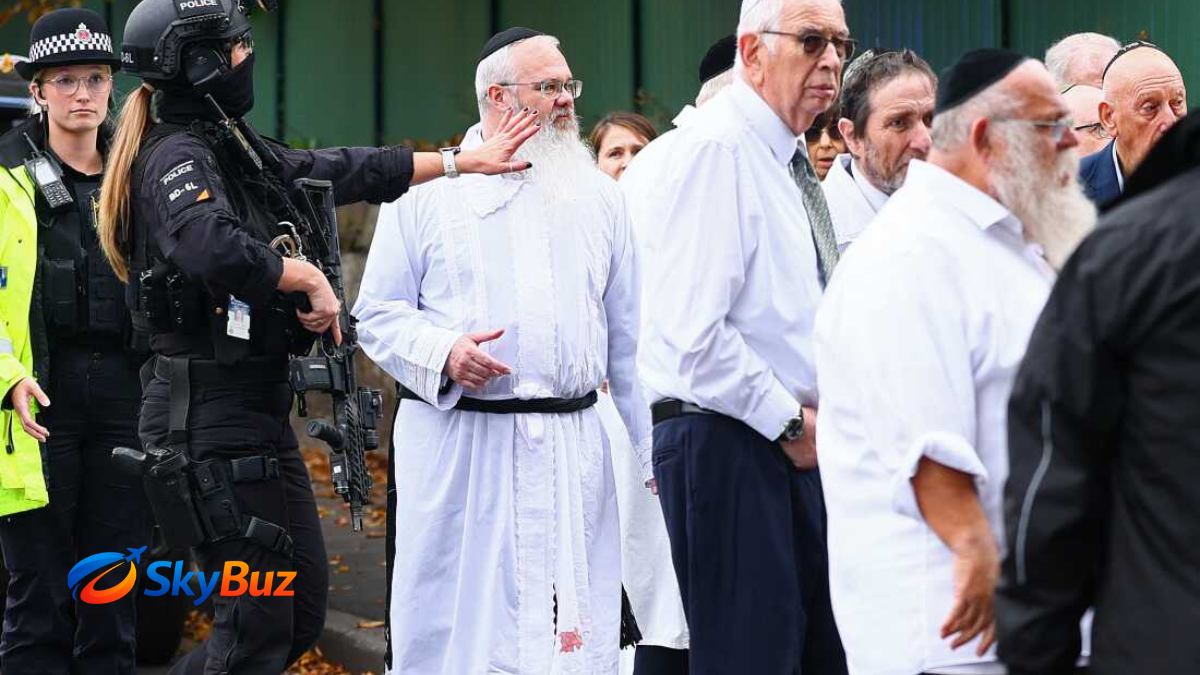
The recent synagogue attack incidents in Manchester and Brisbane have intensified public concern across the United Kingdom and beyond. These events have not only dominated headlines but have also prompted urgent conversations about antisemitism, community security, and the resilience of democratic values. When a place of worship becomes the target of violence, the emotional and symbolic consequences extend far beyond physical damage.
In the UK, the Manchester case in particular has drawn strong reactions from political leaders, faith groups, and civil society organisations. Meanwhile, developments in Australia have reinforced the perception that a synagogue attack is not an isolated event but part of a broader international pattern. Understanding the facts, context, and long-term implications is essential for addressing this deeply troubling issue.
Manchester 2025: What Happened During the Synagogue Attack
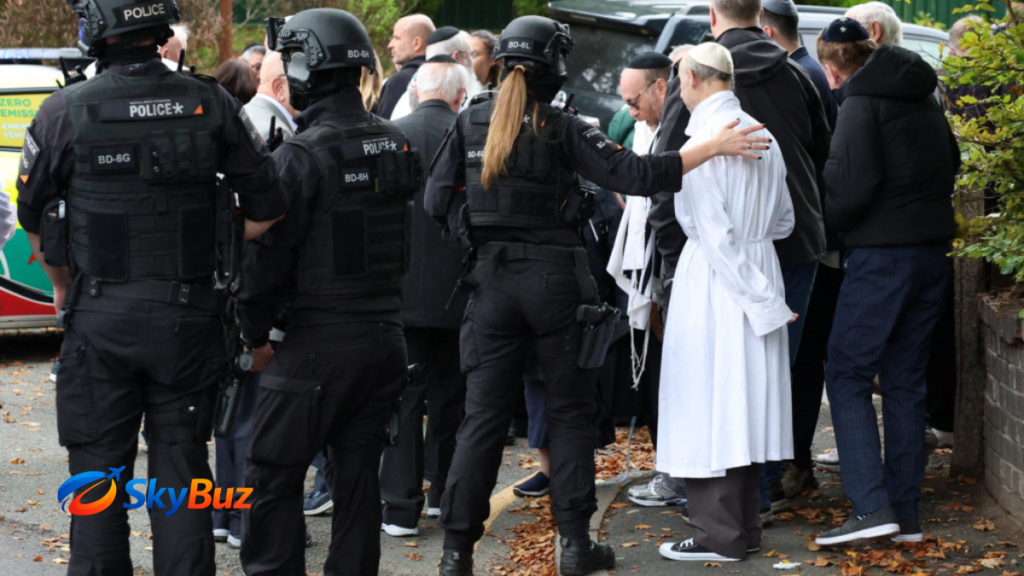
The Manchester synagogue attack occurred during a sacred period in the Jewish calendar, when worshippers had gathered for prayer and reflection. According to official reports, a vehicle was driven into pedestrians before further violence unfolded near the synagogue premises. Emergency services responded rapidly, securing the area and ensuring that those injured received urgent medical attention.
Investigators treated the incident as a serious act of terrorism, with counter-terrorism officers leading enquiries into motive and potential affiliations. The attack shocked local residents and reignited debate about extremist threats within the UK. Community leaders in Manchester described the synagogue attack as an assault not only on Jewish citizens but also on the principles of safety and tolerance.
Brisbane 2026: Alleged Hate Crime and Global Repercussions
In early 2026, Brisbane witnessed another disturbing event when a vehicle rammed the gates of a prominent synagogue. While no fatalities were reported, the symbolic impact of the synagogue attack was profound. Australian authorities swiftly charged a suspect, describing the act as a targeted hate crime against the Jewish community.
British media closely followed developments, drawing comparisons with the Manchester case and highlighting the global nature of antisemitic violence. The Brisbane synagogue attack demonstrated how rapidly such incidents resonate across borders, strengthening calls for international cooperation. Faith leaders in both countries emphasised solidarity, urging governments to reinforce security and counter extremist narratives more effectively.
The Rising Trend of Antisemitic Violence
Security analysts and community watchdogs have reported a worrying increase in antisemitic incidents over recent years. While not every case escalates into a synagogue attack, the pattern of harassment, vandalism, and threats indicates a hostile climate that can enable more serious violence. Experts attribute this rise to polarised political discourse and the spread of misinformation online.
Digital platforms have allowed extremist ideologies to circulate widely, sometimes normalising prejudice that once remained on the fringes. In the UK, community groups have documented spikes in antisemitic abuse following major geopolitical events. A synagogue attack often emerges from this wider context of hostility, underscoring the need for preventive measures at both local and national levels.
Legal Definitions: Hate Crime or Terrorism
Determining whether a synagogue attack constitutes terrorism or a hate crime involves careful legal analysis. Under UK law, terrorism is defined by intent to influence government or intimidate the public for ideological purposes. Hate crimes, while equally serious, focus on hostility towards protected characteristics such as religion or ethnicity.
The distinction affects investigative powers, sentencing, and public messaging. Counter-terrorism legislation grants authorities broader tools to prevent future attacks, yet clear communication is vital to maintain public trust. In the aftermath of the Manchester synagogue attack, officials stressed transparency and adherence to legal standards to ensure justice and accountability.
Impact on the Jewish Community in the UK
For Jewish communities, the consequences of a synagogue attack extend beyond headlines and legal proceedings. Many families report heightened anxiety, questioning whether attending religious services remains safe. The psychological effects can be long-lasting, particularly for children and elderly congregants who may feel especially vulnerable.
Synagogues across the UK have responded by enhancing security protocols, installing surveillance systems, and working closely with local police forces. At the same time, interfaith organisations have organised vigils and solidarity gatherings, reinforcing a message of unity. Such gestures demonstrate that while a synagogue attack aims to spread fear, communities can respond with resilience and compassion.
Government and Political Response
The UK government has reaffirmed its commitment to protecting places of worship, allocating funding to strengthen physical security measures. Grants have supported improved lighting, reinforced entry points, and professional security assessments. Following the Manchester synagogue attack, ministers also engaged directly with community representatives to discuss ongoing concerns.
Parliamentary debates have highlighted the importance of tackling antisemitism at its roots. Lawmakers have called for enhanced monitoring of extremist content online and improved educational initiatives addressing prejudice. By combining enforcement with prevention, policymakers aim to reduce the likelihood of another synagogue attack while upholding civil liberties and democratic values.
Media Responsibility and Public Discourse
Media coverage plays a crucial role in shaping public understanding of a synagogue attack. Responsible journalism ensures that accurate information is shared without amplifying extremist propaganda or fuelling division. Balanced reporting can help communities process events constructively rather than react with fear or anger.
Social media, however, presents additional challenges. Rumours and misinformation can spread rapidly, complicating official investigations and heightening tensions. Experts argue that stronger digital literacy and platform accountability are essential to prevent harmful narratives from gaining traction. Clear communication from trusted sources remains central to maintaining calm and informed public debate.
Preventing Future Synagogue Attacks
Prevention requires a coordinated approach involving law enforcement, educators, community leaders, and policymakers. Intelligence-sharing between agencies can identify potential threats before they escalate into a synagogue attack. Early intervention programmes targeting individuals at risk of radicalisation also play a critical role.
Education remains one of the most powerful tools against hatred. By teaching historical awareness and promoting inclusive values, schools can counter stereotypes that contribute to prejudice. Long-term prevention depends on fostering mutual respect and understanding, ensuring that faith communities across the UK can worship freely and without fear.
Conclusion
The Manchester and Brisbane incidents illustrate the far-reaching consequences of violence directed at religious institutions. Each synagogue attack not only harms those directly involved but also challenges the broader commitment to pluralism and coexistence. Protecting faith communities must remain a national priority supported by practical action and social solidarity.
By investing in security, strengthening legal frameworks, and promoting education, the UK can respond decisively to this threat. Collective vigilance, informed public discourse, and unwavering commitment to tolerance will help ensure that synagogues and other places of worship remain safe havens. In confronting the reality of a synagogue attack, society has an opportunity to reaffirm its core values and stand united against hate.
Frequently asked questions
What happened during the Manchester synagogue attack in 2025?
A vehicle and knife assault targeted worshippers near a Manchester synagogue, prompting a counter-terrorism investigation.
Was the Brisbane synagogue attack classified as terrorism?
Australian authorities treated it as a targeted hate crime, with legal classification determined during investigation.
What is the difference between a hate crime and terrorism in the UK?
Terrorism involves ideological intent to intimidate the public or influence government, while hate crime targets protected characteristics such as religion.
How common is a synagogue attack in the UK?
While rare compared to other crimes, reported antisemitic incidents have increased in recent years.
How are synagogues protected in Britain?
Synagogues use enhanced security measures including CCTV, reinforced entry points, and police coordination.
How has the UK government responded to synagogue attack incidents?
The government has increased funding for security at places of worship and strengthened counter-extremism strategies.
What impact does a synagogue attack have on the Jewish community?
It often causes emotional distress, heightened security concerns, and a stronger push for solidarity.
What can be done to prevent another synagogue attack?
Prevention depends on intelligence sharing, community engagement, education, and firm enforcement of hate crime laws.
Also Read: mexborough