
Table of Contents
What Is Taku Sando and Why It Is Becoming a Global Food Trend
Taku Sando is best understood as a modern branding style within Japanese-inspired sandwich culture, closely connected to the broader “sando” movement that has become popular worldwide. The word “sando” itself comes from the Japanese abbreviation of sandwich, and it is widely used in Japan to describe soft bread sandwiches made with shokupan and carefully prepared fillings. In this context, “Taku Sando” is often associated with restaurant branding that highlights premium Japanese-style sandwiches, especially those influenced by katsu sando culture.
The concept is not a traditional historical dish but rather part of a new wave of Japanese fusion dining that focuses on presentation, texture, and simplicity. The rise of Taku Sando reflects how global food culture is increasingly inspired by Japanese culinary aesthetics, where even simple items like sandwiches are elevated into refined dining experiences. This growing popularity has also been boosted by social media, where visually appealing food plays a major role in consumer interest.
The Historical Roots of Katsu Sando Behind Modern Taku Sando
To understand Taku Sando fully, it is necessary to explore the origins of katsu sando, which forms its culinary foundation. Katsu sando is a Japanese sandwich made with a breaded and deep-fried cutlet, usually pork tonkatsu, placed between slices of soft Japanese milk bread. It is widely believed to have originated in Tokyo in the 1930s, during a period when Western-style food was being adapted into Japanese cuisine .
Historical records show that the dish was inspired by Western cutlet sandwiches and introduced as a convenient, portable meal option. Over time, it became a staple in train stations, cafés, and bento-style food culture across Japan. Its simplicity, portability, and satisfying flavor combination made it a long-lasting favorite. This cultural foundation is what modern Taku Sando-style branding builds upon, combining tradition with contemporary presentation.
The Meaning of “Sando” and Its Role in Japanese Food Identity
The term “sando” is a Japanese abbreviation of “sandwich,” reflecting Japan’s tendency to shorten foreign loanwords into more convenient forms. While it simply means sandwich, in culinary practice it often refers to a specific style characterized by soft bread, minimal crust, and carefully layered fillings. This linguistic adaptation shows how Japanese food culture reinterprets global influences in its own unique way.
In modern usage, “sando” is no longer just a word but a food category. It includes everything from fruit sandwiches to egg salad sandwiches and the famous katsu sando. The emphasis is always on balance, texture, and visual neatness. Taku Sando, as a branding concept, fits into this linguistic and cultural framework by leveraging the familiarity of “sando” while presenting a more curated and premium identity.
Japanese Milk Bread (Shokupan) as the Foundation of Taku Sando Style
One of the most important elements in Taku Sando-style sandwiches is shokupan, the iconic Japanese milk bread. This bread is known for its ultra-soft texture, slightly sweet flavor, and airy structure. Unlike crusty Western bread, shokupan is designed to enhance fillings rather than overpower them, making it ideal for delicate sandwich compositions.
Shokupan plays a crucial role in shaping the sensory experience of sando-based foods. Its softness allows it to compress gently around fillings like crispy cutlets or creamy egg mixtures, creating a balanced bite. In Taku Sando presentations, this bread is often used to emphasize purity and minimalism, aligning with Japanese culinary principles that value simplicity and refinement.
Core Ingredients That Define Taku Sando Flavor Experience
The flavor identity of Taku Sando-style sandwiches is built around a few essential components that work together harmoniously. The most common filling is a breaded cutlet, usually pork tonkatsu, which provides a crispy exterior and tender interior. This is complemented by shredded cabbage, which adds freshness and texture contrast, and by rich sauces such as tonkatsu sauce or Japanese mayonnaise.
These ingredients are not chosen randomly but are carefully balanced to achieve umami depth and textural contrast. The sweetness of the sauce, the crunch of the cutlet, and the softness of the bread create a layered sensory experience. This attention to detail is one of the defining reasons why Japanese-style sandwiches, including Taku Sando concepts, are considered more refined than standard fast-food sandwiches.
Cultural Symbolism and Emotional Appeal of Katsu Sando Influence
Katsu sando, which strongly influences Taku Sando-style offerings, carries cultural meaning beyond taste. In Japan, the word “katsu” is associated with victory because it is a homophone for a verb meaning “to win.” As a result, katsu-based dishes are often eaten before exams or important events as a form of symbolic good luck food.
This emotional connection adds depth to the sandwich’s popularity. It is not just a meal but also a comforting and meaningful food experience. Taku Sando-style branding often inherits this cultural symbolism by emphasizing comfort, satisfaction, and emotional warmth, which makes the product more appealing in both Japanese and international markets.
Global Popularity and the Expansion of Sando-Based Food Culture
In recent years, Japanese-style sandwiches have expanded far beyond Japan and become part of global café culture. The rise of “sando” menus in international cities reflects growing interest in Japanese comfort food, particularly items that combine visual appeal with rich flavor profiles. Social media platforms have played a significant role in this expansion by showcasing highly aesthetic sandwich presentations.
Taku Sando-style concepts fit naturally into this global trend because they emphasize premium ingredients and visually striking preparation. The neat slicing, visible layers, and contrast of textures make these sandwiches highly shareable online. As a result, they have become a symbol of modern fusion dining that blends tradition with global food aesthetics.
Modern Variations and Creative Interpretations of Taku Sando
Today, Taku Sando-style sandwiches are not limited to traditional pork cutlets. Many modern interpretations include chicken katsu, wagyu beef, shrimp cutlets, and even vegetarian alternatives. Some variations experiment with fusion ingredients such as spicy sauces, truffle mayonnaise, or international-style seasonings, reflecting the flexibility of the sando format.
This innovation demonstrates how Japanese sandwich culture continues to evolve. While the core principles of balance and simplicity remain unchanged, chefs and food creators are constantly adapting the concept to new tastes and dietary preferences. Taku Sando, in this sense, represents both tradition and experimentation within a single culinary identity.
Why Taku Sando Represents the Future of Japanese-Inspired Fast Dining
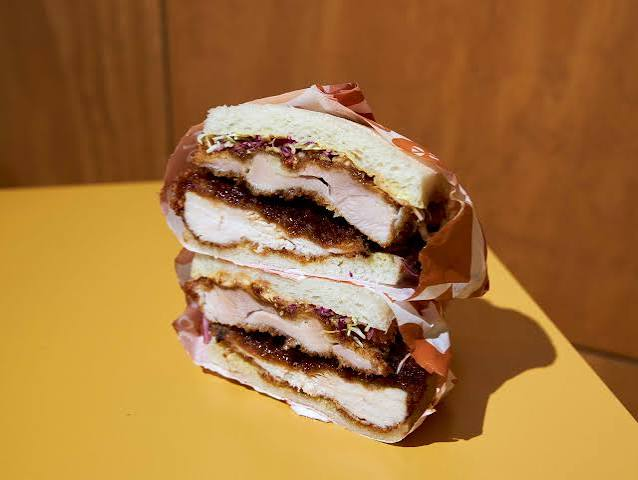
Taku Sando-style food represents a shift in how fast dining is perceived globally. Instead of focusing on mass-produced convenience food, it emphasizes craftsmanship, ingredient quality, and visual storytelling. This aligns with modern consumer preferences for meals that are both quick and meaningful.
The future of this style lies in its adaptability. As more people seek high-quality casual food experiences, the combination of Japanese culinary discipline and global fusion creativity will continue to expand. Taku Sando, as part of this movement, reflects how a simple sandwich concept can evolve into a sophisticated food category with international appeal.
Conclusion
Taku Sando is more than just a name—it represents a modern evolution of Japanese-inspired sandwich culture rooted in the legacy of katsu sando and the broader “sando” tradition. Built on soft shokupan bread, crispy cutlets, and carefully balanced flavors, it reflects the Japanese philosophy of simplicity, precision, and harmony in food.
From its historical roots in early 20th-century Japan to its current global popularity, this style of sandwich has transformed into a symbol of modern culinary fusion. As food culture continues to evolve, Taku Sando stands as an example of how traditional ideas can be reimagined for contemporary tastes while maintaining authenticity and emotional depth.