
The popularity of tier list maker guide has exploded in recent years, transforming from a niche gaming trend into a mainstream way of ranking and organizing opinions online. Whether someone wants to rank video game characters, anime series, movies, sports players, foods, brands, or products, a tier list maker provides a simple and visually appealing solution. Today, millions of users create and share tier lists across social media platforms, gaming communities, forums, and content-sharing websites.
A tier list maker allows users to place items into different ranking categories based on quality, performance, preference, usefulness, popularity, or any other criteria. The visual format makes information easy to understand while encouraging discussions and debates among audiences. As content creation continues to grow across platforms like YouTube, TikTok, Reddit, Twitch, and blogs, tier list creators have become essential tools for engagement and audience interaction.
Understanding how tier list makers work, why they are so popular, and how to create high-quality rankings can help creators, businesses, educators, and hobbyists produce more meaningful and trustworthy content. This guide explores every aspect of tier list makers and explains why they have become one of the internet’s most powerful content formats.
What Is a Tier List Maker?
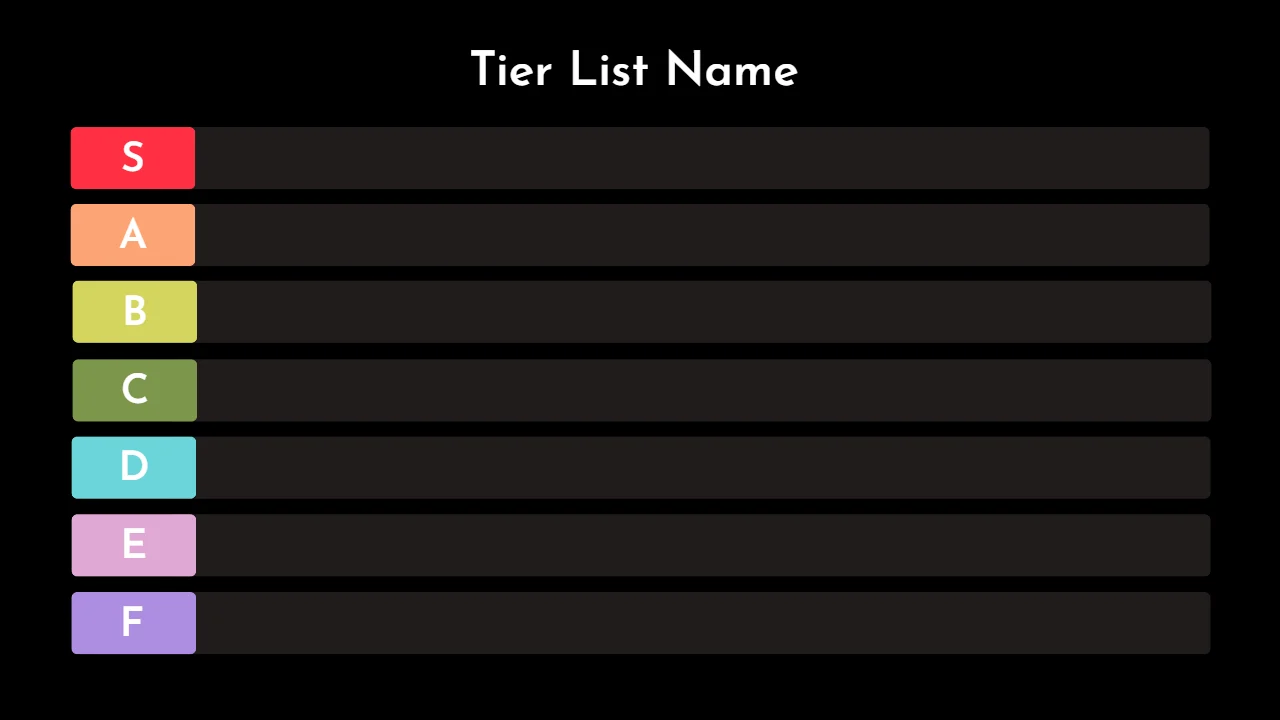
A tier list maker is an online tool that helps users organize and rank items into categories known as tiers. These tiers usually follow a hierarchy, with the highest-ranked items placed in the top tier and lower-ranked items positioned beneath them. The most common format includes S Tier, A Tier, B Tier, C Tier, D Tier, and F Tier, although users can customize the names and number of categories according to their needs.
The letter “S” originated in Japanese gaming culture, where it represented a rank above A and signified exceptional quality or performance. Over time, this ranking system spread worldwide and became a standard format used across gaming communities and online platforms. Modern tier list generators allow users to drag and drop images into tiers, making the process simple and intuitive even for beginners.
Today, tier list makers are used for far more than gaming. Content creators rank movies, television shows, books, athletes, smartphones, fast food chains, fashion brands, and countless other topics. The flexibility of these tools has helped them become one of the most widely used visual ranking systems on the internet.
The Evolution of Tier Lists and Their Growing Popularity
Tier lists first gained traction within competitive gaming communities. Players wanted an efficient way to identify the strongest characters, weapons, abilities, and strategies in games. Fighting games, multiplayer online battle arenas, and strategy games often relied heavily on tier rankings to help players understand the current competitive environment.
As social media platforms expanded, tier lists evolved into a form of entertainment. YouTube creators began publishing ranking videos, while Reddit communities created discussions around controversial placements. TikTok further accelerated the trend by introducing short-form ranking content that quickly attracted millions of views.
The growth of internet culture also contributed to the popularity of tier list templates. People naturally enjoy comparing, evaluating, and organizing information. Tier lists provide a structured format that allows individuals to express opinions while inviting others to participate. This interactive nature has helped tier lists remain relevant across different industries and communities.
How a Tier List Maker Works
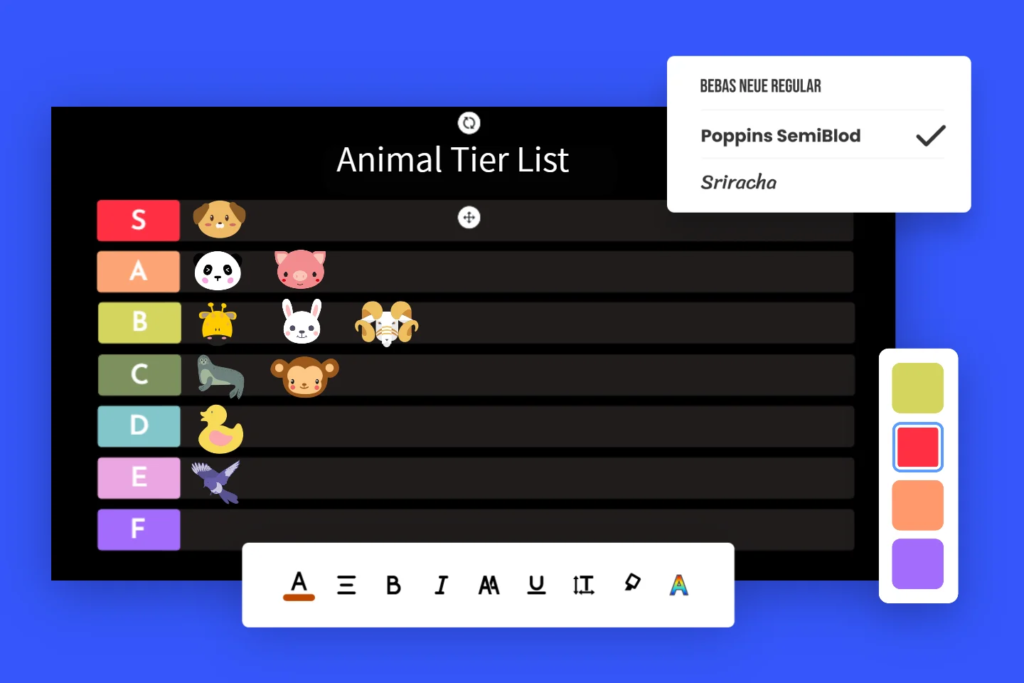
Most tier list makers operate through a user-friendly drag-and-drop interface. Users begin by selecting a template or uploading custom images. These images are then arranged into ranking categories according to specific criteria established by the creator. Once completed, the tier list can be downloaded, shared online, or embedded into websites and articles.
Many advanced tier list generators include customization features that allow users to rename tiers, change colors, modify layouts, and create personalized ranking systems. These options make it possible to design rankings that fit virtually any topic or audience. Whether ranking football players, movies, or software tools, customization enhances both usability and visual appeal.
Some platforms also support collaborative editing and cloud-based storage. These features allow multiple users to contribute to a single ranking project, making tier lists valuable for teams, communities, and educational environments. The combination of simplicity and flexibility is one reason why tier list makers continue to attract millions of users worldwide.
Why Tier List Makers Are Valuable for Content Creators
Content creators constantly search for ways to engage audiences and encourage interaction. Tier lists accomplish both goals exceptionally well. A well-designed ranking instantly communicates information while inviting viewers and readers to share their own opinions. This naturally increases engagement metrics such as comments, shares, and discussion activity.
The visual structure of a tier list also improves content accessibility. Instead of reading a lengthy review or analysis, audiences can quickly understand a creator’s perspective through a ranking chart. This efficiency is particularly important in an era where users consume large amounts of content across multiple platforms every day.
Search engine optimization benefits can also be significant. Keywords such as tier list maker, online tier list creator, custom tier list generator, gaming tier list, anime tier list, movie ranking tool, and character tier list frequently receive substantial search traffic. By incorporating these keywords naturally into content, creators can improve visibility while providing useful information to readers.
Popular Uses of Tier List Makers Across Different Industries
Gaming remains the most recognized application for tier lists. Competitive players use rankings to evaluate characters, classes, weapons, maps, and strategies. Game developers, streamers, esports organizations, and professional players frequently publish updated tier lists to reflect changes in game balance and evolving gameplay trends.
Entertainment enthusiasts also rely heavily on tier list creators. Movie lovers rank films within a franchise, anime fans organize favorite series, and music listeners compare albums and artists. These rankings often generate passionate discussions that contribute to community growth and audience engagement.
Outside entertainment, businesses and educational institutions have adopted tier list systems for practical purposes. Marketing teams use ranking frameworks to evaluate campaign ideas, while educators create interactive classroom activities that encourage critical thinking and discussion. This versatility demonstrates how tier list makers have evolved beyond their gaming origins.
Features That Define a High-Quality Tier List Maker
A high-quality tier list maker should prioritize ease of use without sacrificing functionality. The best platforms offer intuitive interfaces that allow users to create rankings quickly and efficiently. Simplicity is especially important for beginners who may be unfamiliar with ranking tools and visual content creation.
Customization capabilities represent another important factor. Users benefit from the ability to upload images, personalize tier names, adjust colors, and modify layouts. These features allow creators to align rankings with specific branding requirements, audience preferences, or content goals.
Reliable sharing options also contribute to a positive user experience. Modern creators need tools that support exporting, downloading, embedding, and social media integration. A tier list generator that simplifies distribution helps maximize audience reach and engagement while reducing workflow complexity.
The Importance of Accuracy and Credibility in Tier Lists
While tier lists are often based on personal opinions, credibility remains important. Audiences are more likely to trust rankings that demonstrate thoughtful analysis, clear reasoning, and consistent evaluation criteria. Establishing transparency helps creators build authority and maintain long-term audience trust.
Research plays a critical role in creating accurate tier lists. For gaming rankings, creators may analyze performance statistics, competitive tournament results, and community feedback. For product rankings, factors such as customer reviews, expert evaluations, and technical specifications contribute to more balanced assessments.
Consistency is equally essential. Each item should be evaluated according to the same standards. When rankings appear arbitrary or inconsistent, audiences may question the validity of the entire tier list. A structured approach strengthens both the quality of the content and the reputation of the creator.
How Tier Lists Influence Online Communities
Tier lists have become influential discussion tools within online communities. A single ranking can generate thousands of comments, debates, and user-generated responses. This level of engagement makes tier lists particularly valuable for creators seeking to build active and loyal audiences.
Community participation often extends beyond discussion. Users frequently create their own versions of popular rankings, offering alternative perspectives and challenging original placements. This collaborative environment contributes to the ongoing popularity of tier list culture and encourages creative expression.
The viral potential of tier lists should not be underestimated. Because rankings are easy to understand and share, they often spread quickly across social media platforms. A compelling tier list can reach large audiences and generate substantial visibility for creators, brands, and communities.
The Future of Tier List Makers and Ranking Content
The future of tier list makers appears highly promising as digital content continues to evolve. Artificial intelligence, machine learning, and data-driven analytics may introduce new capabilities that help users create more sophisticated and personalized rankings. Automated suggestions and performance-based rankings could become increasingly common.
The demand for visual content is also expected to grow. Internet users increasingly prefer formats that communicate information quickly and effectively. Tier lists align perfectly with this trend by combining simplicity, visual appeal, and interactive engagement within a single content format.
Businesses, educators, marketers, and content creators are likely to expand their use of ranking systems in the coming years. As audiences continue seeking engaging and shareable content, tier list makers will remain valuable tools for organizing information, presenting opinions, and encouraging participation.
Conclusion
Tier list makers guide have evolved from simple gaming tools into powerful content creation platforms used across countless industries and communities. Their ability to transform complex opinions into clear visual rankings makes them highly effective for communication, education, entertainment, and audience engagement. Whether ranking video game characters, movies, products, sports teams, or business ideas, tier lists provide a structured and accessible way to present information.
The continued growth of social media, online communities, and user-generated content ensures that tier list creators will remain relevant for years to come. By focusing on accuracy, consistency, research, and thoughtful analysis, creators can build trustworthy rankings that deliver genuine value to audiences. As technology advances and new features emerge, tier list makers will continue shaping how people compare, evaluate, and discuss the topics they care about most.