
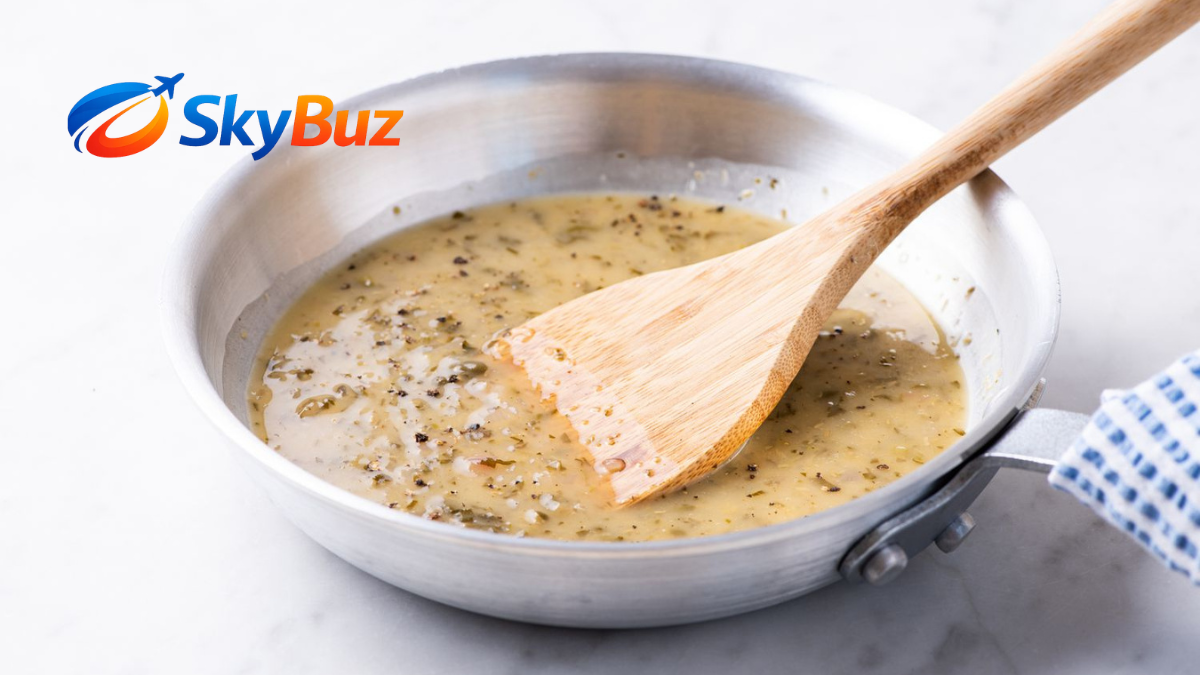
White wine sauce is one of the most versatile and elegant additions to a home cook’s repertoire. Known for its delicate balance of acidity, richness and aroma, it enhances simple ingredients without overpowering them. In UK kitchens, this classic sauce has become a favourite for transforming everyday meals into something that feels refined and restaurant worthy.
From comforting pasta dishes to beautifully cooked fish fillets, white wine sauce adapts effortlessly to different recipes. Its silky texture and layered flavour profile make it suitable for both weeknight suppers and special occasions. When prepared correctly, it delivers depth, brightness and a smooth finish that elevates any plate.
What Is White Wine Sauce
At its core, white wine sauce is a reduction-based sauce made from dry white wine, aromatics and stock. The wine is gently simmered to concentrate its flavour while cooking off most of the alcohol, leaving behind a subtle tang and fragrant complexity. Butter or cream is often added to create a smooth and velvety consistency.
Although it has roots in French culinary tradition, white wine sauce fits seamlessly into modern British cooking. It offers a lighter alternative to heavier gravies while still delivering richness. The combination of shallots, garlic and wine creates a sophisticated base that pairs beautifully with chicken, seafood and vegetables.
Essential Ingredients for the Perfect White Wine Sauce
Choosing the right wine is essential when preparing white wine sauce. A dry white wine such as Sauvignon Blanc or Pinot Grigio works particularly well because it provides crisp acidity without unwanted sweetness. It is always advisable to cook with a wine you would enjoy drinking, as its flavour becomes more pronounced during reduction.
Beyond the wine itself, quality ingredients make a noticeable difference. Unsalted butter, finely chopped shallots and fresh garlic form the aromatic foundation. Stock adds savoury depth, while double cream can be included for a richer variation. Fresh herbs such as parsley or tarragon introduce brightness and complexity to the finished sauce.
How to Make White Wine Sauce Step by Step
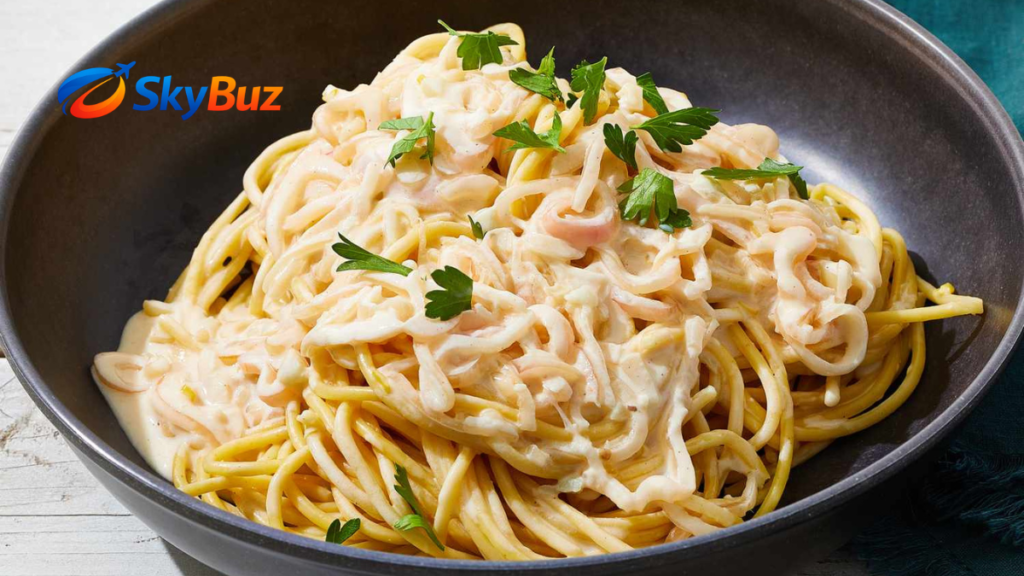
white wine sauce To begin, gently sauté finely chopped shallots in melted butter over medium heat until soft and translucent. This stage is crucial for building flavour without browning the ingredients. Garlic should be added briefly, releasing its aroma while avoiding any bitterness that may develop from overcooking.
Next, pour in the white wine and allow it to simmer steadily until reduced by roughly half. This reduction intensifies the taste and forms the backbone of the sauce. Add stock and, if desired, a splash of double cream, then simmer gently until the mixture thickens slightly. Season carefully and finish with fresh herbs or a squeeze of lemon juice.
Creamy and Light Variations of White Wine Sauce
A creamy white wine sauce is particularly popular in the UK for serving with chicken and pasta. The addition of double cream produces a luxurious texture that clings beautifully to tagliatelle or coats tender chicken breasts. Parmesan cheese may also be stirred in for an Italian inspired twist that adds depth and savoury character.
For those seeking a lighter option, white wine sauce can be made without cream. In this variation, butter and stock provide body while maintaining a fresher, more delicate profile. This lighter style is ideal for pairing with fish such as cod, salmon or sea bass, where subtlety is key to preserving the natural flavours.
Best Dishes to Serve with White Wine Sauce
Pasta is one of the most common and satisfying companions for white wine sauce. Long strands such as spaghetti or linguine absorb the sauce beautifully, creating a harmonious balance of flavour and texture. Adding sautéed mushrooms, spinach or prawns enhances the dish while maintaining the sauce’s elegant simplicity.
Chicken dishes also benefit greatly from this versatile preparation. Pan fried chicken breasts topped with white wine sauce become moist and flavourful, while baked chicken thighs develop richness when paired with the creamy variation. Seafood, particularly salmon and prawns, pairs exceptionally well, as the sauce complements rather than dominates.
Tips for Achieving the Perfect Texture and Flavour
One of the most important aspects of preparing white wine sauce is patience during reduction. Allowing the wine to simmer slowly ensures the flavour deepens naturally without becoming harsh. Rushing this process can result in a thin and underdeveloped taste that lacks the characteristic balance of acidity and richness.
Temperature control is equally important, particularly when cream is added. Gentle simmering prevents splitting and maintains a smooth texture. If the sauce becomes too thick, a splash of warm stock can restore the desired consistency. Proper seasoning at the end ensures the final result tastes harmonious and well balanced.
Storage, Reheating and Practical Advice
White wine sauce can be stored in an airtight container in the refrigerator for up to two days. When reheating, it should be warmed slowly over low heat while stirring continuously. Rapid heating may cause separation, especially in cream based versions, so a gentle approach is recommended for best results.
Freezing is possible, though cream based sauces may slightly change in texture once thawed. To minimise this effect, whisk the sauce thoroughly while reheating. Preparing the sauce fresh is always ideal, but proper storage techniques allow leftovers to be enjoyed without compromising quality.
Nutritional Considerations and Healthier Options
The nutritional content of white wine sauce depends largely on the ingredients used. Creamy versions are naturally higher in fat and calories, making them more indulgent. However, lighter variations that rely on stock and a modest amount of butter provide a more balanced option suitable for everyday meals.
By adjusting ingredient quantities and selecting reduced fat dairy alternatives, it is possible to create a healthier adaptation without sacrificing flavour. When paired with lean proteins and fresh vegetables, white wine sauce can form part of a well rounded and satisfying meal.
Conclusion
White wine sauce remains a beloved staple in kitchens across the United Kingdom due to its remarkable adaptability and refined flavour. Whether prepared in a rich and creamy style or as a lighter reduction, it enhances pasta, chicken and fish with effortless sophistication. Its simple ingredients and straightforward method make it accessible to cooks of all skill levels.
Mastering white wine sauce opens up countless culinary possibilities. With careful attention to quality ingredients and proper technique, you can create a sauce that transforms everyday dishes into memorable dining experiences. Its timeless appeal ensures that it will continue to grace British tables for years to come.
Frequently asked questions
What is white wine sauce made of?
White wine sauce is typically made with dry white wine, butter, shallots, garlic, stock and sometimes double cream.
Can I make white wine sauce without cream?
Yes, you can skip the cream and use butter and stock for a lighter version.
Does the alcohol cook out of white wine sauce?
Most of the alcohol evaporates during simmering and reduction, leaving flavour behind.
What is the best white wine to use in white wine sauce?
A dry white wine such as Sauvignon Blanc or Pinot Grigio works best.
How do I thicken white wine sauce?
Allow it to reduce naturally or add a small amount of cream or a light flour slurry.
Can I use cooking wine instead of regular wine?
It is better to use drinking-quality wine as cooking wine often contains added salt.
Is white wine sauce suitable for fish?
Yes, white wine sauce pairs beautifully with salmon, cod and other delicate fish.
How long does white wine sauce last in the fridge?
It can be stored in an airtight container in the fridge for up to two days.
Can I freeze white wine sauce?
You can freeze it, but cream-based versions may slightly change texture after thawing.
What can I use instead of white wine in the sauce?
You can substitute with vegetable or chicken stock mixed with a splash of lemon juice or white wine vinegar.
Also Read: campari spritz