
Table of Contents
Mahi mahi fish has quietly become one of the most talked-about seafood choices in kitchens, restaurants, and health circles around the world. If you have ever stood at a fish counter and seen bright, firm fillets labeled dorado, or if you have ordered grilled fish tacos on vacation and wondered what made the fish so tender yet flavorful, chances are you were eating mahi fish. Known for its striking colors in the ocean and its clean, slightly sweet taste on the plate, mahi mahi fish bridges the gap between indulgence and nutrition in a way few other proteins can. It cooks in minutes, it pairs with almost any cuisine, and it delivers a nutritional profile that dietitians, athletes, and busy families all appreciate.
The reason mahi mahi fish is everywhere in 2026 is not just about taste. People are paying more attention to where their food comes from, how it affects their health, and how long it takes to get dinner on the table after work. Mahi mahi fish answers all of those questions. It grows fast in the wild, it is caught with methods that are easier on the ocean,
and it fits into modern eating patterns that prioritize lean protein, healthy fats, and real food. Whether you are new to cooking seafood or you have been grilling salmon every week for years, taking a closer look at mahi fish will give you a new favorite that feels both exciting and practical.
What Is Mahi Mahi Fish and Why Is It So Unique
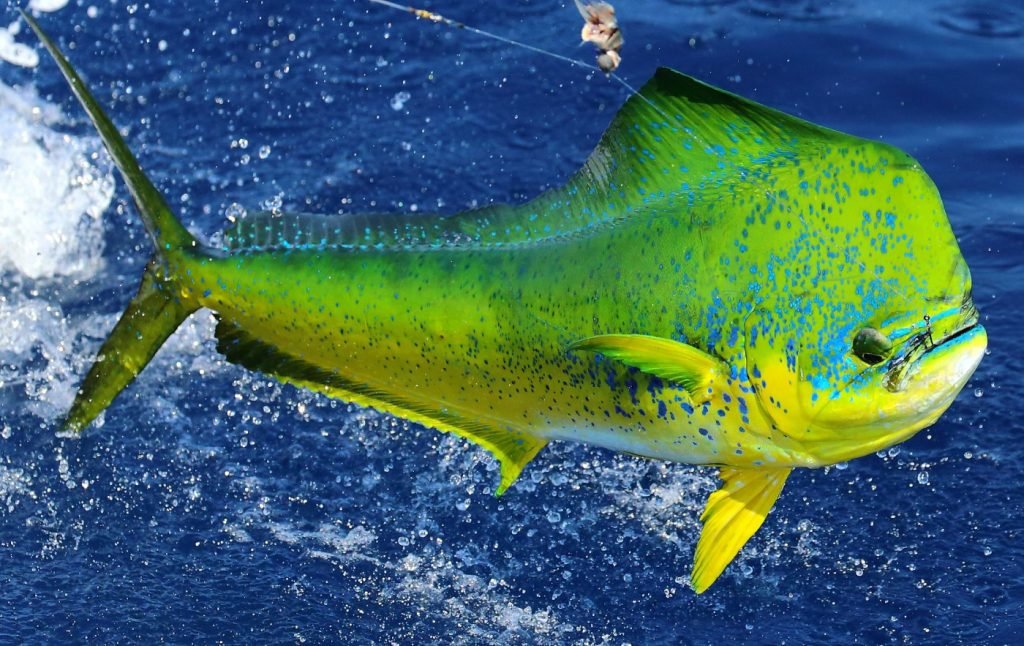
Mahi mahi fish is a pelagic species that lives in the warm surface waters of the Atlantic, Pacific, and Indian Oceans. The name comes from Hawaiian and translates to strong-strong, which describes both the fish’s powerful swimming ability and its reputation among anglers.
In Spanish-speaking countries it is called dorado, meaning golden, a reference to the brilliant gold and blue tones that flash across its body when it is alive. You may also hear it called dolphin fish, but that name causes a lot of confusion. Mahi mahi fish has no relation to dolphins or marine mammals. It is a true fish with scales, fins, and gills, and it behaves more like tuna or wahoo than anything else in the sea.
One of the most fascinating things about mahi mahi fish is its growth rate. In the right conditions a juvenile mahi can reach 15 to 20 pounds within six months and can exceed 40 pounds by its first birthday. That rapid growth is rare in the ocean and it has major implications for both fishermen and consumers. Because mahi mahi fish reproduces quickly and reaches maturity in less than a year, populations can rebound much faster than slow-growing species.
This is why mahi is often highlighted in discussions about sustainable seafood. In the wild you will usually find mahi mahi fish near the surface, often hanging around floating debris, seaweed lines, or buoys where smaller baitfish gather. This behavior makes it a favorite target for both commercial and recreational fishing, and it is also why the fish is so accessible year-round in tropical and subtropical markets.
When you see mahi mahi fish at the market, it usually comes as skinless fillets. The raw flesh is pale pink to light beige and has a very clean smell. Freshness matters a lot with mahi because the flavor is so mild that any off odors will come through in the final dish. Good mahi fish should feel firm to the touch and should not have any gaping or mushy areas. Because demand has grown so much, you will also find a lot of high-quality frozen mahi mahi fish. Much of it is flash-frozen within hours of being caught, which preserves texture and locks in flavor. For home cooks who do not live near the coast, frozen mahi fish is often the best way to get restaurant-quality results.
Nutritional Breakdown and Why Health Experts Recommend Mahi Mahi Fish
If you are trying to eat better without giving up flavor, mahi fish is one of the smartest proteins you can add to your rotation. A standard three-ounce serving of cooked mahi fish contains roughly 85 to 95 calories, less than one gram of fat, and about 18 to 20 grams of complete protein. That protein-to-calorie ratio is why so many athletes, bodybuilders, and people following weight-loss plans have switched from chicken breast to mahi mahi fish. The protein in mahi is complete, meaning it contains all nine essential amino acids your body needs to build and repair muscle tissue.
Beyond protein, mahi mahi fish is rich in micronutrients that play important roles in daily health. It is an excellent source of vitamin B12, which supports red blood cell formation and nervous system function. You also get significant amounts of niacin, vitamin B6, and riboflavin, all of which help convert food into energy. Minerals are another strong point
. A serving of mahi mahi fish provides potassium, phosphorus, and magnesium, which are important for muscle contraction, bone health, and fluid balance. Perhaps the most notable mineral is selenium. Selenium acts as an antioxidant in the body and supports thyroid function. Just one serving of mahi fish can provide well over 70 percent of the recommended daily intake of selenium, making it one of the most selenium-dense foods you can eat regularly.
Fat content is where mahi fish really stands out for people watching their intake. With less than a gram of fat per serving, it is one of the leanest animal proteins available. Despite being so lean, mahi mahi fish still contains meaningful amounts of omega-3 fatty acids. Omega-3s are known for their anti-inflammatory properties and for supporting heart and brain health
. Because mahi grows quickly and does not live as long as large predators, it also tends to have lower levels of mercury compared to tuna, swordfish, or shark. This makes mahi mahi fish a safer choice for families who want to eat seafood two to three times per week. For pregnant individuals, children, and older adults, having a low-mercury, high-protein option like mahi fish makes it much easier to follow dietary guidelines without worry.
Flavor Profile, Texture, and Culinary Versatility
The first time you cook mahi fish, you will notice two things right away. The flesh is firm and holds together beautifully, and the flavor is clean, mild, and just a little bit sweet. That combination is rare. Many white fish are either too delicate and fall apart on the grill, or they have such a strong fishy taste that you have to mask it with heavy sauces. Mahi mahi fish avoids both problems. The firm texture means you can grill it, sear it, bake it, or fry it without worrying about it breaking apart. The mild flavor means it takes on marinades and seasonings exceptionally well.
This versatility is why chefs around the world have embraced mahi mahi fish. In the Caribbean and Hawaii, you will find mahi served with tropical fruit salsas, coconut milk, and lime. In Mexico, blackened mahi mahi fish is a staple in fish tacos with cabbage slaw and crema. Along the Mediterranean coast, mahi is baked with tomatoes, olives, capers, and olive oil. In the United States, grilled mahi mahi fish with lemon butter and herbs is a restaurant classic. The fish adapts to all of these styles because it does not fight the other ingredients. It provides a neutral, satisfying base that lets spices, acids, and aromatics shine.
For home cooks, the ease of preparation is a huge selling point. A typical mahi mahi fish fillet that is about one inch thick will cook in four to five minutes per side on a hot grill or in a skillet. In the oven, 400 degrees Fahrenheit for 12 to 15 minutes is usually enough. Because the fish is lean, the main mistake to avoid is overcooking. You want to pull mahi mahi fish off the heat as soon as the center is opaque and flakes easily with a fork. Letting it rest for two minutes before serving allows the juices to redistribute and keeps the texture moist. With such a short cooking time, mahi mahi fish has become the answer for people who want a healthy dinner on the table in 20 minutes or less.
The Best Cooking Methods for Perfect Mahi Mahi Fish Every Time
Grilling remains the most popular way to cook mahi fish, and it is easy to see why. The high, dry heat creates a light char on the outside while keeping the inside tender. To grill mahi fish, start by brushing the fillets with olive oil to prevent sticking. Season simply with salt, pepper, and a squeeze of lemon, or use a dry rub with paprika, garlic powder, and cumin for a smoky flavor.
Preheat your grill to medium-high and place the fish directly on the grates. Do not move it until it is ready to flip. After about four minutes, you should see grill marks and the edges should start to turn opaque. Flip once and cook for another three to four minutes. The result is mahi mahi fish with a slightly crisp exterior and a moist interior.
If grilling is not an option, pan-searing is an excellent alternative. Heat a heavy skillet over medium-high heat, add a tablespoon of oil, and lay the mahi mahi fish fillets down away from you to avoid splatter. Press gently for the first 30 seconds to ensure full contact with the pan.
This helps develop a golden crust. After about four minutes, flip and cook the other side. You can finish pan-seared mahi mahi fish with a quick pan sauce made from butter, lemon juice, garlic, and capers. The fond left in the pan adds a lot of flavor and takes less than two minutes to make.
Baking is the most hands-off method and works well for feeding a family. Place mahi mahi fish fillets in a baking dish, drizzle with olive oil, and top with sliced lemon, cherry tomatoes, and fresh herbs like thyme or parsley. Cover loosely with foil and bake at 400 degrees. The foil traps steam and keeps the fish moist. For a crispier top, remove the foil for the last three minutes. Air frying has also gained popularity for mahi mahi fish because it uses very little oil and still produces a lightly crisp exterior. Regardless of the method, the key to perfect mahi mahi fish is to watch the cooking time closely. Because the fillets are lean, they go from perfect to dry very quickly.
Sustainability, Fishing Practices, and Environmental Impact
One of the reasons mahi mahi fish has become so popular is that it aligns well with modern values around sustainability. Seafood choices are no longer just about taste and price. Consumers want to know that the fish they buy was caught in a way that protects ocean ecosystems. Mahi mahi fish scores well on this front for several reasons. First, its biology works in its favor. Because mahi grows so quickly and spawns multiple times per year, populations can recover rapidly even with fishing pressure. Second, the primary methods used to catch mahi fish are trolling and pole-and-line. In trolling, lines with lures are pulled behind a moving boat. This method targets mahi specifically and results in very little bycatch compared to bottom trawling or gillnetting.
Most of the mahi mahi fish sold in the United States comes from well-managed fisheries in Hawaii, the Gulf of Mexico, and countries like Ecuador and Peru that have invested in sustainable practices. When shopping, look for information on the label or ask the fishmonger where the fish was caught. Domestic mahi mahi fish from Hawaii is often considered the gold standard because it is subject to strict federal and state regulations. Imported mahi can also be a good choice if it comes from a fishery that is certified or monitored. By choosing responsibly sourced mahi mahi fish, you support fishing communities that are committed to long-term ocean health and you reduce the risk of contributing to overfishing.
It is also worth noting that mahi fish has a relatively low carbon footprint compared to beef or pork. Seafood in general requires less land, water, and feed to produce protein, and because mahi is caught wild rather than farmed, there are no feed inputs or waste management issues associated with aquaculture. For consumers who are trying to eat in a way that is better for both their health and the planet, mahi mahi fish represents a balanced choice.
How to Select, Store, and Prepare Mahi Mahi Fish Safely
Buying good mahi mahi fish starts with knowing what to look for. Fresh fillets should be moist and firm, with a clean smell reminiscent of the ocean. Avoid any fish that smells overly fishy or ammonia-like, as that is a sign it is past its prime. The color should be consistent, ranging from pale pink to light beige. If you are buying whole mahi mahi fish, the eyes should be clear and bright, and the skin should be shiny and intact. Most consumers will encounter skinless fillets, which are easier to cook and require less prep.
Storage is straightforward but important. Fresh mahi mahi fish should be kept in the coldest part of your refrigerator and used within one to two days of purchase. Place the fillets on a plate and cover them loosely with plastic wrap to allow some air circulation. If you are not going to cook the fish right away, freezing is a good option. Wrap mahi mahi fish tightly in plastic wrap, then place it in a freezer bag and remove as much air as possible. Properly stored, frozen mahi mahi fish will maintain quality for up to three months. When you are ready to use it, thaw the fish overnight in the refrigerator. Avoid thawing on the counter because the outer layers can reach unsafe temperatures while the center is still frozen.
Before cooking, pat the mahi mahi fish fillets dry with paper towels. This step is critical for achieving a good sear. Moisture on the surface will cause the fish to steam instead of brown. If you plan to marinate, keep it brief. Fifteen to thirty minutes is enough for mahi mahi fish because the flesh is delicate and acid from citrus or vinegar can start to break down the protein if left too long. With these simple handling steps, you will get the best possible texture and flavor from every piece of mahi mahi fish you cook.
Health Benefits That Make Mahi Mahi Fish a Smart Dietary Choice
The nutritional advantages of mahi fish go beyond basic protein and calories. Because it is so lean, it fits easily into calorie-controlled diets without sacrificing satisfaction. Protein is the most satiating macronutrient, and meals built around mahi fish tend to keep people full longer. This can help with appetite control and weight management. At the same time, the presence of omega-3 fatty acids supports cardiovascular health. Regular consumption of omega-3s has been linked to lower triglycerides, reduced blood pressure, and a decreased risk of arrhythmias.
Mahi mahi fish is also a brain food. Vitamin B12, which is abundant in mahi, is essential for maintaining the myelin sheath that protects nerves. Low B12 levels have been associated with fatigue, memory problems, and mood changes. The selenium in mahi mahi fish supports thyroid hormone metabolism and also functions as an antioxidant, helping to neutralize free radicals that can damage cells. For people who are physically active, the amino acids in mahi fish aid in muscle recovery after exercise. The low fat content means you can eat a satisfying portion without feeling heavy afterward, which is ideal for post-workout meals.
Another benefit is dietary flexibility. Mahi mahi fish is naturally gluten-free, dairy-free, and low in carbohydrates. This makes it compatible with keto, paleo, Mediterranean, and many other eating patterns. People with diabetes appreciate that mahi mahi fish has a glycemic index of zero, so it does not cause blood sugar spikes. Families with picky eaters often find that the mild flavor of mahi fish is more acceptable than stronger fish like mackerel or sardines. In short, mahi fish offers a rare combination of health benefits, culinary flexibility, and ease of preparation that makes it a practical choice for long-term healthy eating.
Addressing Common Questions and Misconceptions About Mahi Mahi Fish
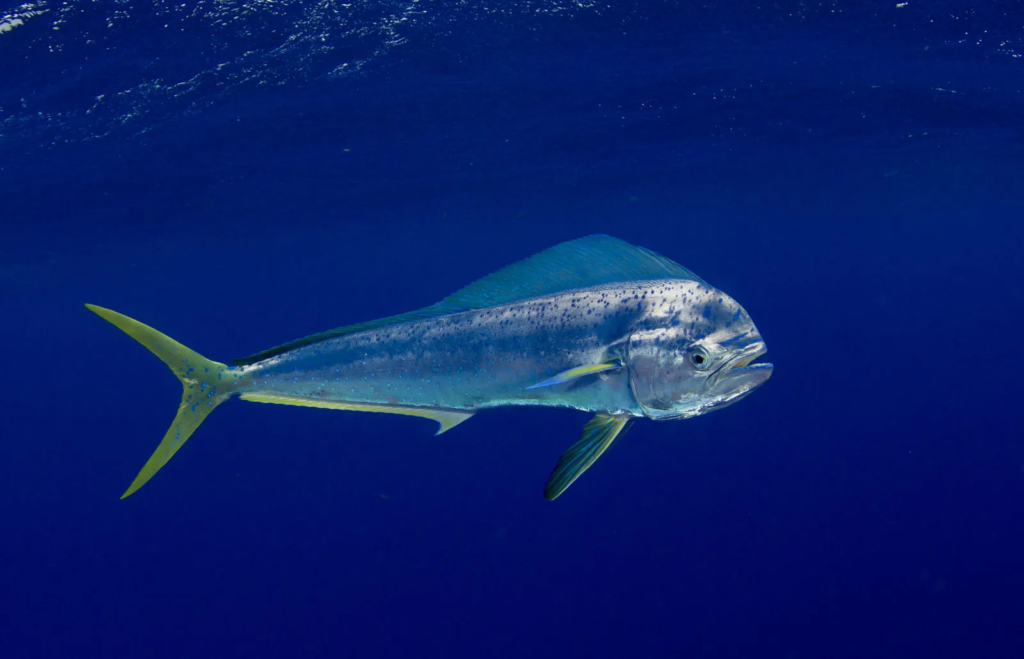
Despite its popularity, there are still some misunderstandings about mahi fish that are worth addressing. The most common is the name confusion. Because mahi is sometimes called dolphin fish on menus, many people assume it comes from a dolphin. It does not. Mahi mahi fish is a bony fish and is completely unrelated to marine mammals. The name dolphin fish dates back centuries and refers to the way the fish swims and surfaces, not to its taxonomy.
Another question people ask is whether mahi mahi fish tastes fishy. The answer is no. One of the defining characteristics of mahi mahi fish is its mild, slightly sweet flavor. This is why it is often recommended to people who are new to seafood or who did not grow up eating fish. The texture also helps. Because the flesh is firm, it does not have the mushy quality that turns some people off from other white fish.
There is also concern about contaminants. As mentioned earlier, mahi mahi fish is considered a low to moderate mercury fish by health agencies. This is due to its relatively short lifespan and its position in the food web. It is not a top predator like shark or swordfish, so it does not bioaccumulate mercury to the same degree. For most people, eating mahi fish two to three times per week is well within safety guidelines. Finally, some people think that cooking mahi requires special skills. In reality, if you can cook a chicken breast, you can cook mahi mahi fish. The principles are the same: season, apply heat, and do not overcook.
Conclusion
Mahi mahi fish represents everything that modern eaters are looking for in a protein source. It is fast to prepare, it tastes clean and versatile, it delivers high-quality nutrition with very little fat, and it comes from fisheries that are generally well-managed. From a health perspective, mahi mahi fish provides lean protein, essential vitamins and minerals, and beneficial omega-3 fats without the concerns that come with some larger seafood species. From a culinary perspective, it adapts to any flavor profile you throw at it, whether that is Caribbean, Mediterranean, Asian, or classic American.
The beauty of mahi mahi fish is that it makes healthy eating feel easy. You do not need complicated techniques or hard-to-find ingredients to make a great meal. A hot pan, a little oil, some seasoning, and ten minutes is all it takes to have dinner on the table. At the same time, when you choose mahi mahi fish, you are making a choice that supports sustainable fishing practices and ocean health. That combination of personal benefit and broader impact is why mahi mahi fish has moved from specialty menus to everyday kitchens.
If you have not tried cooking mahi fish at home, now is the perfect time. Start with a simple preparation. Season the fillets, cook them until they are just done, and serve with vegetables or a grain. Pay attention to how quickly it cooks and how satisfying it is to eat. Once you experience how effortless and delicious mahi fish can be, it will be hard not to make it a regular part of your meal plan. In a world where we are all looking for food that is good for us, good for the planet, and good on the plate, mahi mahi fish checks every box.
if you intrat in my artical so you read also this one artical best piononos de santa fe near me