
Table of Contents
Who Was Rosemary Pitman and Why Her Life Attracts Attention
Rosemary Pitman was a British garden designer and social figure best known for her marriage to Brigadier Andrew Parker Bowles, a senior British Army officer who was previously married to Camilla Shand, now Queen Camilla. Her name appears frequently in biographies and royal-related discussions because of her indirect connection to the British royal family, although she herself was not a public royal figure.
Born Rosemary Alice Dickinson on 19 January 1940 in Northumberland, England, she lived a private and elegant life shaped by traditional British values. She became part of wider public interest due to her association with high-profile British aristocracy, but she consistently avoided media attention and maintained a quiet lifestyle focused on family and gardening. She passed away in 2010 at the age of 69 after battling cancer, leaving behind a legacy remembered for dignity, privacy, and personal grace.
Early Life, Background, and Education in Post-War Britain
Rosemary Pitman grew up in a Britain that was still recovering from the effects of World War II. Her upbringing reflected the structured and disciplined lifestyle common in mid-20th-century English households. Sources consistently describe her as coming from a well-educated and respectable family environment in Northumberland, where values such as responsibility, manners, and stability were strongly emphasized.
She was educated at St Mary’s School, Ascot, one of England’s well-known independent schools for girls. This institution has historically been associated with shaping young women from upper and middle-class families, focusing on academics, refinement, and cultural education. Her time at school is believed to have influenced her appreciation for aesthetics, order, and natural beauty, which later became central themes in her garden design work.
First Marriage and Early Family Responsibilities
Before becoming Rosemary Pitman, she was married to Lieutenant-Colonel John Hugh Pitman. This first marriage marked a significant period in her life where she focused primarily on family responsibilities and raising children. Together, they had three sons, and she dedicated much of her early adult life to motherhood and home life.
During this period, Rosemary lived a relatively traditional British domestic lifestyle. While she had personal interests in gardening and design, her primary role was centered around family care and household management. This phase of her life is often described as stable and foundational, helping shape her later independence and personal identity after her first marriage ended.
Marriage to Andrew Parker Bowles and Entry into High Society
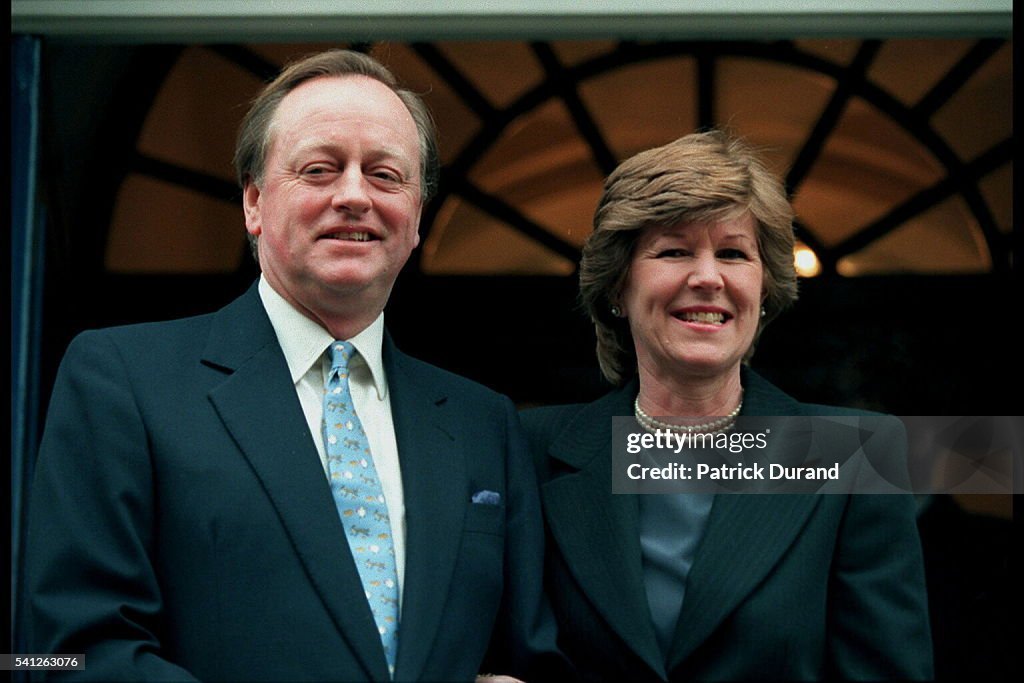
Rosemary Pitman entered a more publicly recognized phase of life when she married Brigadier Andrew Parker Bowles in 1996. Parker Bowles is a prominent British Army officer who played a significant role in the Household Cavalry and has long-standing connections to British aristocracy. He is also widely known as the former husband of Camilla, Queen Consort of the United Kingdom.
Their marriage brought Rosemary into indirect proximity with the British royal circle. Andrew Parker Bowles had previously been married to Camilla Shand for over two decades before their divorce in 1995. Despite this complex background, Rosemary and Andrew built a stable relationship and remained together until her death in 2010. Reports from credible sources highlight that their marriage was grounded in mutual respect and shared understanding rather than public attention or media involvement.
Career as a Garden Designer and Creative Identity
Rosemary Pitman was widely recognized for her work as a garden designer, a profession that reflects Britain’s long-standing tradition of landscape artistry and horticultural design. Garden design in the UK often combines architectural structure with natural aesthetics, and Rosemary’s work is described as elegant, simple, and deeply connected to natural surroundings.
Her design philosophy focused on balance, natural flow, and understated beauty rather than elaborate or overly decorative landscapes. While she did not operate a highly commercial public design firm, she is believed to have contributed to private gardens and community-related projects. Her creative identity was expressed quietly, reflecting her overall preference for privacy and personal rather than public achievement.
Connection to British Royal Circles and Public Curiosity
Although Rosemary Pitman was not part of the royal family, her marriage to Andrew Parker Bowles placed her within a unique social network closely linked to British aristocracy. Parker Bowles had previously been married to Camilla Shand, who later became Queen Camilla, wife of King Charles III. This connection naturally increased public curiosity about Rosemary’s life.
Despite this indirect royal association, Rosemary did not participate in royal duties or public royal events as a figure of attention. However, she did attend family-related occasions alongside her husband, reflecting a respectful but private connection to the broader aristocratic environment. Her name often appears in biographies because of these overlapping social relationships rather than personal public activity.
Personal Life, Values, and Private Lifestyle
Rosemary Pitman is frequently described as a deeply private and graceful individual who preferred a quiet lifestyle away from media exposure. Unlike many individuals connected to high society, she did not seek public recognition or social visibility. Instead, she focused on family life, personal relationships, and creative expression through gardening.
Her personality is often characterized in biographies as calm, elegant, and grounded. She is remembered for maintaining dignity in both private and socially complex environments. This strong preference for privacy made her stand out in an era where association with public figures often leads to media attention.
Illness, Death, and Final Years
Rosemary Pitman passed away on 10 January 2010 at the age of 69 after battling cancer. Her death was noted in British media due to her marriage to Andrew Parker Bowles and her indirect connection to the royal family. Despite this attention, she remained remembered more for her personal character than public life.
Her funeral was attended by family members and individuals connected to her husband’s social circle. Reports indicate that even members of the extended aristocratic network, including individuals linked to the royal family, acknowledged her passing respectfully. Her final years were spent in a quiet and private environment, consistent with her lifelong preference for a low-profile lifestyle.
Legacy of Rosemary Pitman in British Social Memory
Rosemary Pitman’s legacy is not defined by fame or public achievement but by her personal values, creativity, and dignity. She is remembered as a woman who balanced family life, personal passion, and social complexity without seeking public attention. Her work in garden design continues to be referenced in modern biographical discussions about understated British creativity.
In broader cultural terms, her life represents a contrast to modern celebrity-driven visibility. She maintained privacy despite being connected to one of Britain’s most widely discussed aristocratic families. This quiet strength and personal independence form the foundation of her lasting legacy.
Conclusion – The Quiet Life and Lasting Impression of Rosemary Pitman
Rosemary Pitman’s life story reflects a unique combination of private creativity, family dedication, and indirect historical relevance through her marriage to Andrew Parker Bowles. While she was connected to British high society and the extended royal network, she remained firmly committed to a private and grounded lifestyle.
Her work as a garden designer, rosemary pitman role as a mother, and her ability to maintain dignity in a complex social environment define her true legacy. In conclusion, Rosemary Pitman is remembered not for public fame but for a quiet, elegant life that left a lasting impression on those who knew her and on those who continue to study British aristocratic history today.