
What Is a CNC Router and Why It Matters in Modern Manufacturing
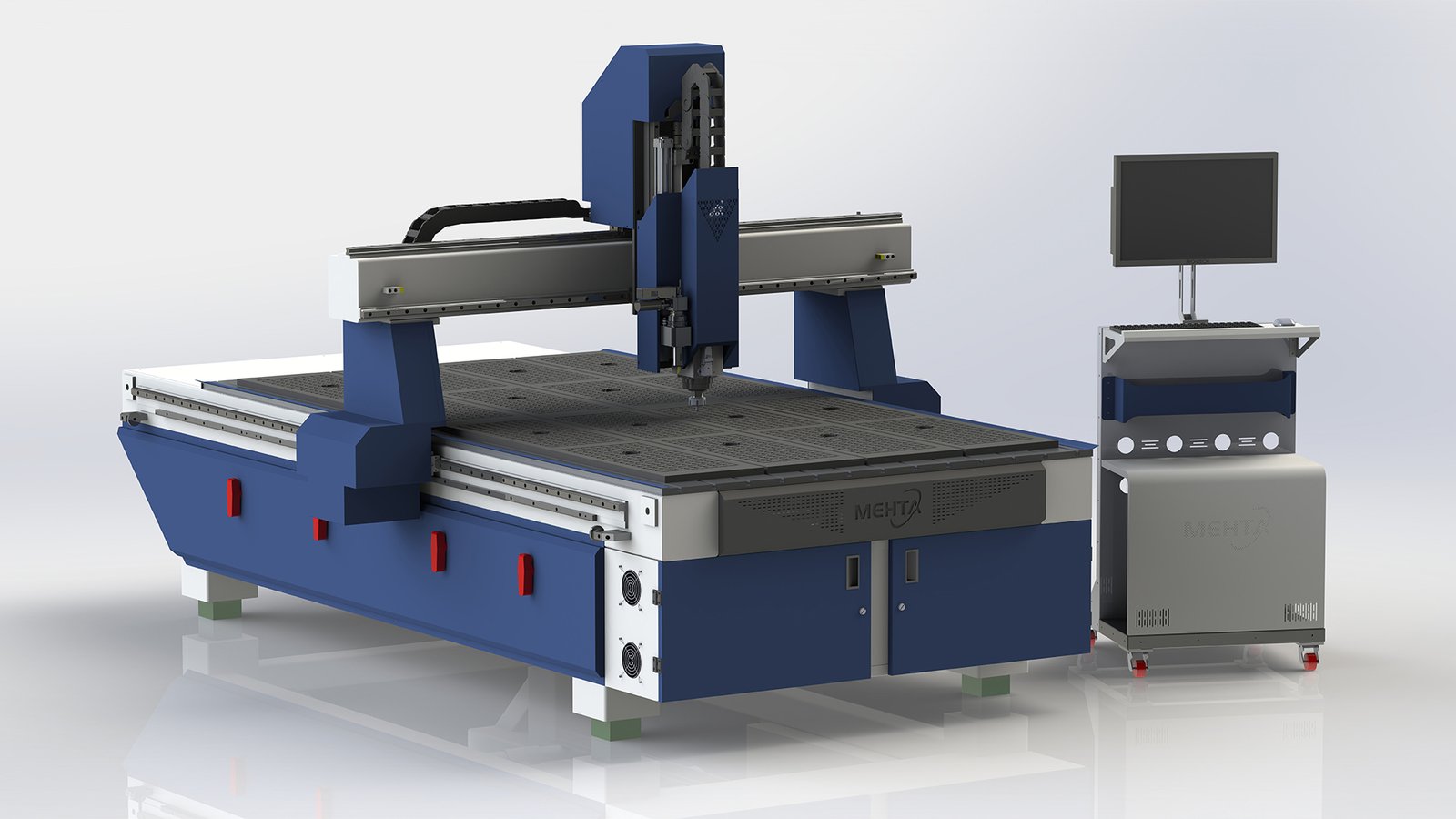
A CNC router is a computer-controlled cutting machine designed to carve, cut, engrave, and shape a wide range of materials with high precision. CNC stands for Computer Numerical Control, meaning the machine operates through programmed digital instructions instead of manual control. This technology has become a foundation of modern manufacturing because it allows consistent, accurate, and repeatable production across industries such as woodworking, signage, aerospace prototyping, and industrial fabrication.
At its core, a CNC router transforms digital designs into physical objects. A design is created in CAD software, processed through CAM software, and converted into machine-readable G-code. The router then follows these instructions using motors and cutting tools to execute precise movements across multiple axes. This automated process reduces human error, increases efficiency, and enables complex designs that would be extremely difficult to achieve manually.
Evolution of CNC Router Technology in Industrial Development
CNC router technology evolved from traditional manual milling and carving methods, which required skilled labor and significant time. With the rise of computer-controlled systems in the late 20th century, manufacturing shifted toward automation, allowing machines to perform tasks with higher precision and speed. CNC routers became especially popular in industries where detailed cutting and repetitive production were required.
Over time, CNC routers have become more advanced, integrating stronger frames, faster spindles, improved motion control systems, and intelligent software integration. Today’s machines are capable of handling complex 3D carving and multi-axis movements, making them essential tools in modern production environments. Their evolution reflects the broader shift toward smart manufacturing and digital fabrication technologies.
Key Components That Make CNC Routers Work Efficiently
A CNC router is made up of several critical components that work together to ensure precision and stability. The machine frame is the foundation, providing structural strength and reducing vibrations during operation. A rigid frame is essential for maintaining accuracy, especially during high-speed cutting or when working with dense materials.
The spindle is another vital component, responsible for holding and rotating the cutting tool. Its power and speed determine the type of materials the machine can handle. Movement is controlled by motors, typically stepper or servo motors, which guide the machine along X, Y, and Z axes. The controller acts as the brain of the system, interpreting G-code instructions and coordinating all machine functions to ensure accurate execution.
Types of CNC Routers and Their Industrial Applications
it come in various types depending on size, complexity, and intended use. Small desktop CNC routers are commonly used by hobbyists, small workshops, and prototype designers. These machines are ideal for lightweight materials and small-scale production, offering an affordable entry point into CNC technology.
On the industrial side, large CNC routers are used for heavy-duty manufacturing tasks such as furniture production, aerospace components, and large signage fabrication. Multi-axis CNC routers, including 4-axis and 5-axis machines, allow for advanced 3D shaping and complex geometries. These machines are essential in industries where precision and design flexibility are critical to production quality.
Materials Processed by CNC Router Machines in Real-World Use
One of the biggest advantages of CNC routers is their ability to work with a wide variety of materials. Wood is the most commonly used material, especially in furniture making, cabinetry, decorative panels, and architectural designs. MDF, plywood, hardwood, and softwood materials are frequently processed due to their compatibility with high-speed cutting tools.
it are also widely used for plastics such as acrylic, PVC, and polycarbonate, which are essential in signage, industrial parts, and display manufacturing. In addition, soft metals like aluminum can be cut and engraved using advanced CNC router systems. Foam materials are often used in prototyping industries because they are lightweight and easy to shape into complex models and molds.
Industrial Applications of CNC Router Technology Across Sectors
CNC routers have become essential across many industries due to their precision and efficiency. In woodworking, they are used for producing furniture components, doors, cabinets, and decorative designs with consistent quality. This automation allows manufacturers to produce large volumes of identical products while reducing production time and material waste.
In advertising and signage, CNC routers are used to create logos, lettering, and 3D display elements with high detail. The aerospace and automotive industries use CNC routers for prototyping parts before final manufacturing, ensuring accuracy in design validation. Artists, architects, and designers also use CNC routers for creative fabrication, allowing digital ideas to become physical objects with precision and detail.
Advantages of CNC Router Machines in Modern Production Systems
it offer significant advantages in modern manufacturing environments. One of the most important benefits is precision. Once a design is programmed, the machine can reproduce it repeatedly with minimal variation, ensuring consistent quality across production batches. This level of accuracy is difficult to achieve with manual tools.
Another major advantage is efficiency. CNC routers reduce the need for manual labor while increasing production speed. They also improve safety by minimizing direct interaction between operators and cutting tools. Additionally, they allow manufacturers to create complex shapes and designs that would be nearly impossible using traditional methods, making them highly valuable in advanced fabrication industries.
CNC Router Programming, Software, and Digital Workflow
The operation of a it relies heavily on digital software systems. The process begins with CAD software, where a design is created in a digital environment. This design is then transferred to CAM software, which generates toolpaths that define how the machine will cut the material.
These toolpaths are converted into G-code, a programming language that controls the machine’s movements, speed, and cutting depth. The CNC controller reads this code and executes precise instructions. Modern CNC systems often include user-friendly interfaces that allow operators to preview designs, adjust parameters, and optimize cutting performance for different materials and production needs.
Maintenance, Safety, and Operational Best Practices for CNC Routers
Proper maintenance is essential to ensure long-term performance and accuracy of it. Regular cleaning is required to remove dust and debris generated during cutting operations. Lubricating moving parts helps reduce friction and prevents mechanical wear, ensuring smooth operation over time.
Tool maintenance is equally important, as dull or damaged cutting bits can reduce precision and affect surface quality. Operators must also ensure proper calibration and alignment of the machine. Safety practices are critical in CNC environments, including proper machine enclosure, dust extraction systems, and trained operation to prevent accidents and maintain workplace safety.
Challenges and Limitations of CNC Router Systems
Despite their advantages, it also come with certain limitations. The initial investment cost can be high, particularly for industrial-grade machines with advanced capabilities. This can be a barrier for small businesses or startups entering the manufacturing sector.
Another limitation is material compatibility. While it are excellent for wood, plastics, and soft metals, they are not suitable for extremely hard materials such as steel or titanium, which require more powerful CNC milling machines. Additionally, operating a CNC router requires technical knowledge in design software and programming, which can require training and experience.
Future of CNC Router Technology in Smart Manufacturing
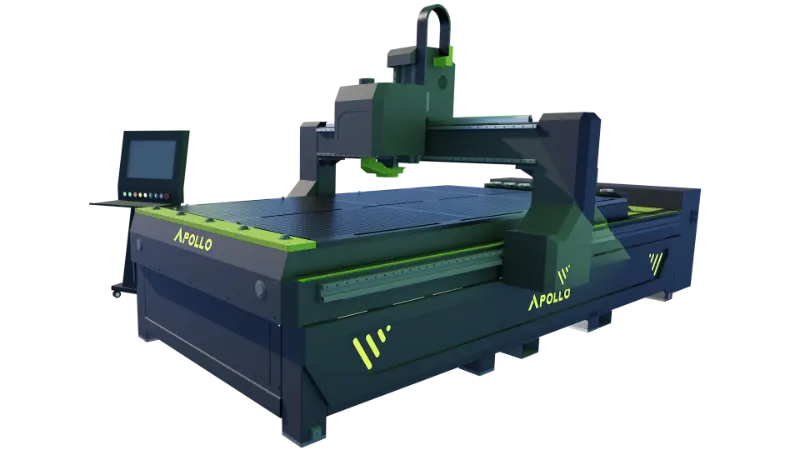
The future of it is closely connected to advancements in automation, artificial intelligence, and digital manufacturing. Modern systems are increasingly being integrated with smart sensors and IoT connectivity, allowing real-time monitoring and predictive maintenance. This helps reduce downtime and improve production efficiency.
Artificial intelligence is also playing a growing role in optimizing cutting paths, reducing material waste, and improving machining speed. Hybrid manufacturing systems that combine CNC routing with 3D printing are also emerging, enabling more complex and customized production capabilities. These innovations indicate that it will continue to evolve as a core technology in smart factories and digital production systems.
Conclusion: The Importance of CNC Routers in Modern Industry
CNC router have revolutionized the way modern manufacturing and fabrication industries operate. Their ability to convert digital designs into precise physical products has made them indispensable in woodworking, industrial production, prototyping, and creative design fields.
From improved efficiency and accuracy to automation and scalability, CNC routers represent the future of intelligent manufacturing. As technology continues to advance, these machines will become even more powerful, accessible, and essential in shaping the future of global production systems.