
Table of Contents
Introduction to Google Classroom and Its Role in Education
Google Classroom is a widely used digital learning platform developed by gogle classroom that helps teachers, students, and institutions manage online education more efficiently. It is part of the Google Workspace for Education ecosystem and is designed to simplify assignments, communication, and classroom organization in one centralized system. Many users search for it using related keywords such as online learning platform, virtual gogle classroom software, and learning management system.
The platform became especially popular during the global shift toward remote learning, where schools and universities needed reliable tools for teaching online. Google Classroom made it easier for educators to distribute assignments, share resources, and communicate with students in real time. Its simplicity and integration with other Google tools like Drive, Docs, and Meet helped it become one of the most widely adopted educational technologies worldwide gogle classroom.
Today, Google Classroom is not limited to schools alone. It is also used in training programs, coaching centers, and corporate learning environments, making it a flexible solution for modern digital education needs gogle classroom.
History and Development of Google Classroom
Google Classroom was officially launched in 2014 as part of Google’s initiative to improve digital education tools. It was developed to address the growing demand for a simple and efficient learning management system that could reduce paperwork and improve teacher-student interaction. Over time, it has evolved into a complete educational platform used globally.
In its early stages, the platform focused mainly on assignment distribution and submission. However, continuous updates have expanded its features to include grading tools, communication streams, integration with third-party apps, and real-time collaboration features. These improvements have strengthened its position in the e-learning industry gogle classroom.
The growth of Google Classroom has been closely linked to the expansion of remote learning technologies. During the COVID-19 pandemic, its usage increased dramatically as schools shifted to online education. This period established Google Classroom as a reliable and scalable solution for global education systems gogle classroom gogle classroom.
Core Features of Google Classroom for Digital Learning
Google Classroom offers a range of features designed to make teaching and learning more organized and efficient. One of its key features is assignment management, where teachers can create, distribute, and collect assignments digitally without using paper. This helps reduce administrative workload and improves classroom efficiency.
Another important feature is communication through announcements and class streams. Teachers can post updates, share resources, and interact with students in a structured environment. Students can also ask questions and engage in discussions, making the learning process more interactive and collaborative.
The platform also integrates seamlessly with Google Drive, allowing users to store and organize files efficiently. This integration ensures that documents, presentations, and assignments are easily accessible from any device, supporting the concept of cloud-based learning management systems. gogle classroom
How Google Classroom Works for Teachers and Students
Google Classroom operates as a virtual classroom environment where teachers act as administrators and students join using a class code. Once enrolled, students can access assignments, learning materials, and announcements in a structured digital space. This system simplifies classroom management and reduces confusion caused by scattered communication gogle classroom.
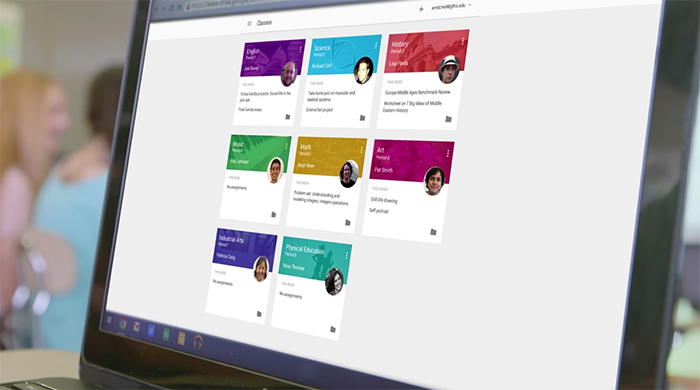
Teachers can create classes, upload study materials, assign tasks, and set deadlines all within the platform. They can also monitor student progress and provide feedback directly through the system. This helps maintain transparency and improves academic tracking in both online and blended learning environments.
For students, Google Classroom provides a centralized dashboard where all their coursework is organized. They can submit assignments, view grades, and communicate with teachers without switching between multiple platforms. This streamlined approach enhances productivity and reduces learning barriers.
Integration with Google Workspace Tools and Learning Ecosystem
One of the strongest advantages of Google Classroom is its deep integration with Google Workspace tools such as gogle classroom Docs, Google Sheets, Google Slides, and Google Drive. This ecosystem allows students and teachers to create, edit, and share documents in real time without leaving the platform gogle classroom.
Google Meet integration also allows for live virtual classes, enabling real-time interaction between teachers and students. This feature is especially useful for remote learning, where face-to-face interaction is replaced with video conferencing. It enhances engagement and supports synchronous learning models.
The seamless connection between these tools creates a unified digital learning environment. It reduces the need for external applications and ensures that all educational activities remain connected within a single ecosystem, improving efficiency and collaboration gogle classroom.
Benefits of Google Classroom in Modern Education Systems
Google Classroom provides several educational benefits that have transformed traditional teaching methods. One of its main advantages is accessibility, as it allows students to access learning materials from anywhere with an internet connection. This flexibility supports both remote and hybrid learning models.
Another major benefit is improved organization. Teachers can manage multiple classes, assignments, and grading systems in one place, reducing administrative burden. This structured environment helps maintain consistency in teaching and ensures that no task is overlooked.
It also promotes eco-friendly learning by reducing paper usage. Since most assignments and resources are shared digitally, it contributes to sustainable education practices. This shift toward paperless classrooms is becoming increasingly important in modern education systems.
Challenges and Limitations of Google Classroom
Despite its many advantages, Google Classroom also has certain limitations. One of the main challenges is its dependence on internet connectivity. In areas with poor or unstable internet access, students may face difficulties in accessing learning materials or submitting assignments on time .
Another limitation is that while Google Classroom is effective for basic learning management, it may lack advanced features found in specialized LMS platforms. Institutions requiring complex analytics or advanced customization may find it somewhat limited.
Additionally, the platform requires users to have basic digital literacy skills. Students or teachers who are not familiar with technology may experience a learning curve when adapting to the system, especially in the initial stages of use.
Google Classroom in Remote Learning and Hybrid Education Models
Google Classroom has played a major role in shaping remote and hybrid learning models across the world. During periods when physical classrooms were not accessible, it provided a stable platform for continuing education without interruption. This helped millions of students maintain their academic progress.
In hybrid education systems, where both online and offline learning are combined, Google Classroom acts as a bridge between physical classrooms and digital tools. Teachers can assign homework online while conducting lectures in person, creating a flexible and balanced learning environment.
The platform’s ability to support asynchronous learning also makes it highly effective. Students can access materials at their own pace, review lessons multiple times, and submit assignments according to deadlines, which enhances learning flexibility gogle classroom.
Security, Privacy, and Data Protection in Google Classroom
Security and privacy are important aspects of Google Classroom, especially since it is widely used in educational institutions. The platform follows Google’s strict security standards to protect user data, including encrypted communication and secure cloud storage gogle classroom.
Google Classroom is also designed to comply with educational privacy regulations such as FERPA and COPPA in relevant regions. This ensures that student data is handled responsibly and not shared without authorization, making it a trusted platform for schools and universities.
Teachers and administrators also have control over class access, ensuring that only authorized students can join and participate. This controlled environment helps maintain safety and prevents unauthorized access to educational content.
Future of Google Classroom and Digital Learning Trends
The future of Google Classroom is closely linked to the growth of digital education and artificial intelligence in learning systems. As technology continues to evolve, the platform is expected to introduce more intelligent features such as automated grading, personalized learning suggestions, and improved analytics.
The rise of hybrid learning models and remote education will continue to increase demand for platforms like Google Classroom. Schools and institutions are increasingly adopting digital-first strategies, making such tools essential for modern education systems.
With ongoing improvements and integration of advanced technologies, Google Classroom is likely to remain a key player in the global e-learning industry, supporting millions of educators and learners worldwide.
Conclusion: Why Google Classroom Remains a Leading Education Platform
Google Classroom has transformed the way education is delivered by offering a simple, efficient, and accessible digital learning environment. Its integration with gogle classroom Workspace tools, ease of use, and flexibility make it suitable for students, teachers, and institutions around the world.
Despite some limitations, its benefits in improving organization, communication, and accessibility far outweigh its drawbacks. It has become an essential tool in modern education systems, especially in remote and hybrid learning environments gogle classroom.
Overall, Google Classroom continues to shape the future of digital education by making learning more connected, flexible, and technology-driven, ensuring its relevance in the evolving educational landscape.