
Table of Contents
Introduction to Spider Plant and Its Global Popularity
The spider plant, scientifically known as Chlorophytum comosum, is one of the most widely grown indoor plants across the world. It has earned a strong reputation as a low-maintenance, visually appealing, and air-friendly houseplant that fits perfectly into modern indoor gardening trends. People often search for it using related keywords such as indoor air-purifying plants, hanging houseplants, easy care indoor greenery, and beginner-friendly houseplants.
Its popularity is not accidental. The spider plant has a natural ability to survive in a wide range of indoor environments, making it ideal for homes, offices, classrooms, and public spaces. Its long arching leaves, striped patterns, and cascading baby plantlets create a soft decorative look that blends with both modern and traditional interiors.
Over time, the spider plant has become more than just a decorative item. It is now widely associated with wellness, indoor air quality improvement, and stress reduction, making it one of the most recommended plants for beginners and plant enthusiasts alike.
Botanical Classification, Origin, and Natural Habitat
The spider plant belongs to the Asparagaceae family and is native to tropical and southern regions of Africa. In its natural habitat, it grows on forest floors, under shaded tree canopies, where it receives filtered sunlight and moderate humidity. This natural adaptation explains why it performs so well indoors under indirect light conditions.
Botanically known as Chlorophytum comosum, the plant has spread globally due to its resilience and ornamental value. It was introduced into Europe during the 19th century and later became extremely popular in North America and Asia as indoor gardening gained attention. Today, it is cultivated worldwide as both a decorative and functional plant.
Its natural growth behavior shows that it is a survival-oriented species. It can tolerate drought conditions, irregular watering, and fluctuating indoor climates. This adaptability has made it a staple plant in urban homes where environmental conditions are often controlled but not always ideal.
Physical Appearance and Unique Structural Features
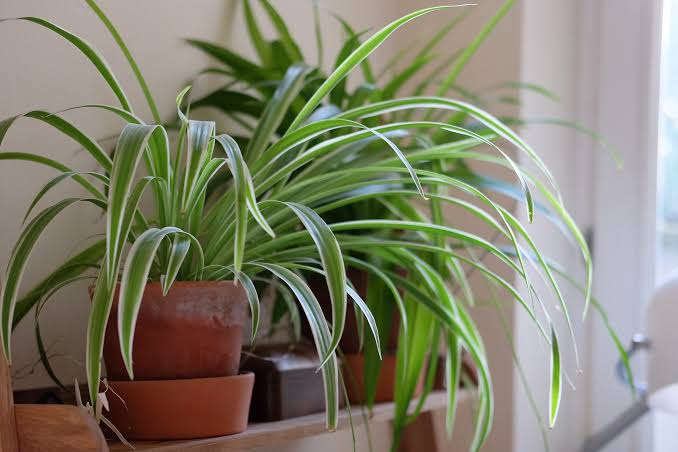
The spider plant is easily recognized by its long, slender, arching leaves that grow in a fountain-like shape. These leaves often feature green centers with white or yellow margins, depending on the variety. The overall structure gives the plant a soft and flowing appearance, which makes it ideal for hanging baskets and elevated plant stands.
One of its most unique features is the production of long stems that bear small plantlets, commonly called spiderettes. These miniature versions of the parent plant grow naturally from the main plant and hang down like delicate green threads. Over time, they develop roots and can grow into independent plants.
This reproductive ability is one of the reasons why spider plants are so widely shared and propagated. The cascading plantlets not only enhance visual beauty but also symbolize natural growth and renewal, which is why the plant is often associated with positive indoor energy and freshness.
Light, Temperature, and Environmental Requirements for Optimal Growth
Spider plants grow best in bright, indirect sunlight. While they can tolerate low light conditions, their growth becomes slower and less vibrant in such environments. Direct sunlight, however, can cause leaf scorching, resulting in brown or dry tips. This makes filtered light or shaded window areas the most suitable locations.
Temperature plays an equally important role in maintaining plant health. Spider plants prefer moderate indoor temperatures ranging between 15°C and 27°C. They are sensitive to extreme cold and frost, which can damage their foliage and slow down growth significantly. This is why they are commonly grown indoors rather than in outdoor gardens in colder climates.
Humidity is another factor that influences their appearance. Although spider plants are adaptable, they naturally prefer slightly humid environments. In dry indoor air, especially in winter or air-conditioned rooms, occasional misting or natural humidity sources can help maintain leaf freshness and prevent tip browning.
Watering Techniques and Soil Moisture Management
Proper watering is one of the most important aspects of spider plant care. The plant prefers evenly moist soil but does not tolerate water stagnation. Overwatering is one of the most common reasons for plant decline, often leading to root rot and fungal issues.
The ideal watering method involves allowing the top layer of soil to dry slightly before adding water again. This balance ensures that the roots receive enough moisture without becoming waterlogged. During warmer months, the plant may require more frequent watering, while in colder seasons, the watering frequency naturally decreases.
Water quality also affects the plant’s health. Hard water or water with high fluoride content can lead to brown leaf tips, a common issue in spider plants. Using filtered or rested water helps reduce this problem and supports healthier foliage growth over time.
Soil Composition, Potting Needs, and Fertilization Practices
Spider plants thrive in well-draining soil that allows excess water to escape easily. A loose potting mix enriched with organic matter is ideal for promoting healthy root development. Good drainage is essential to prevent moisture retention, which can harm the plant’s roots.
The potting container should always have drainage holes to allow excess water to flow out. Without proper drainage, even a healthy watering routine can lead to root stress. Repotting is generally recommended every one to two years, especially when the plant becomes root-bound or outgrows its container.
Fertilization should be done in moderation. During the growing season, a balanced liquid fertilizer helps maintain leaf color and encourages spiderette production. However, excessive fertilization can lead to salt buildup in the soil, which negatively affects plant health and causes leaf burn.
Propagation Methods and Natural Growth Expansion
One of the most fascinating aspects of the spider plant is its effortless propagation system. The plant naturally produces spiderettes, which are small offshoots that grow from long stems. These can develop roots while still attached to the parent plant, making propagation extremely simple.
Once the spiderettes have developed small roots, they can be planted directly into soil or placed in water until stronger roots form. This natural cloning process allows gardeners to expand their plant collection without needing seeds or complex techniques.
This ability to reproduce quickly is one of the reasons spider plants are so common in households. They are often passed from one person to another, creating a chain of shared plants that continue to grow across generations and communities.
Common Problems, Pests, and Health Challenges in Spider Plants
Although spider plants are generally hardy, they can still face certain problems if not cared for properly. One of the most common issues is brown leaf tips, which can be caused by inconsistent watering, poor water quality, or excessive fertilizer use. While not usually fatal, it affects the plant’s appearance.
Pests such as spider mites, aphids, and mealybugs may occasionally infest spider plants, especially in dry indoor conditions. Regular cleaning of leaves and maintaining airflow around the plant helps prevent such infestations. Early detection is important to avoid long-term damage.
Root rot is another serious issue that occurs when the plant is exposed to overly wet soil for extended periods. Ensuring proper drainage and avoiding overwatering are the most effective preventive measures for this condition.
Benefits of Spider Plant for Indoor Spaces and Human Well-Being
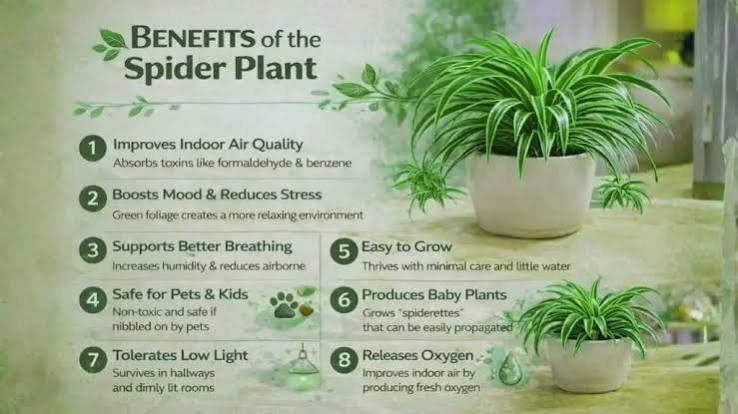
Spider plants are widely known for their air-purifying qualities. They are often included in lists of indoor plants that help improve air quality by reducing certain airborne pollutants. This makes them a popular choice for bedrooms, living rooms, and office environments.
Beyond air purification, spider plants contribute to psychological well-being. Indoor greenery has been linked to reduced stress, improved focus, and a more calming environment. The soft flowing leaves of the spider plant add a sense of natural relaxation to indoor spaces.
Another major benefit is that spider plants are considered non-toxic and generally safe for pets, making them suitable for households with cats and dogs. This combination of safety, beauty, and functionality makes them one of the most reliable indoor plants.
Conclusion: Why Spider Plant Remains a Timeless Indoor Favorite
The spider plant continues to hold its position as one of the most popular indoor plants due to its beauty, adaptability, and ease of care. Its ability to thrive in different environments makes it suitable for both beginners and experienced plant lovers.
Its natural air-purifying properties, fast propagation through spiderettes, and low maintenance requirements make it a practical and valuable addition to any indoor space. Whether placed in hanging baskets or decorative pots, it enhances the environment with natural greenery and freshness.
Overall, the spider plant is a timeless indoor companion that combines aesthetic appeal, health benefits, and simplicity, making it an essential part of modern indoor gardening culture.