
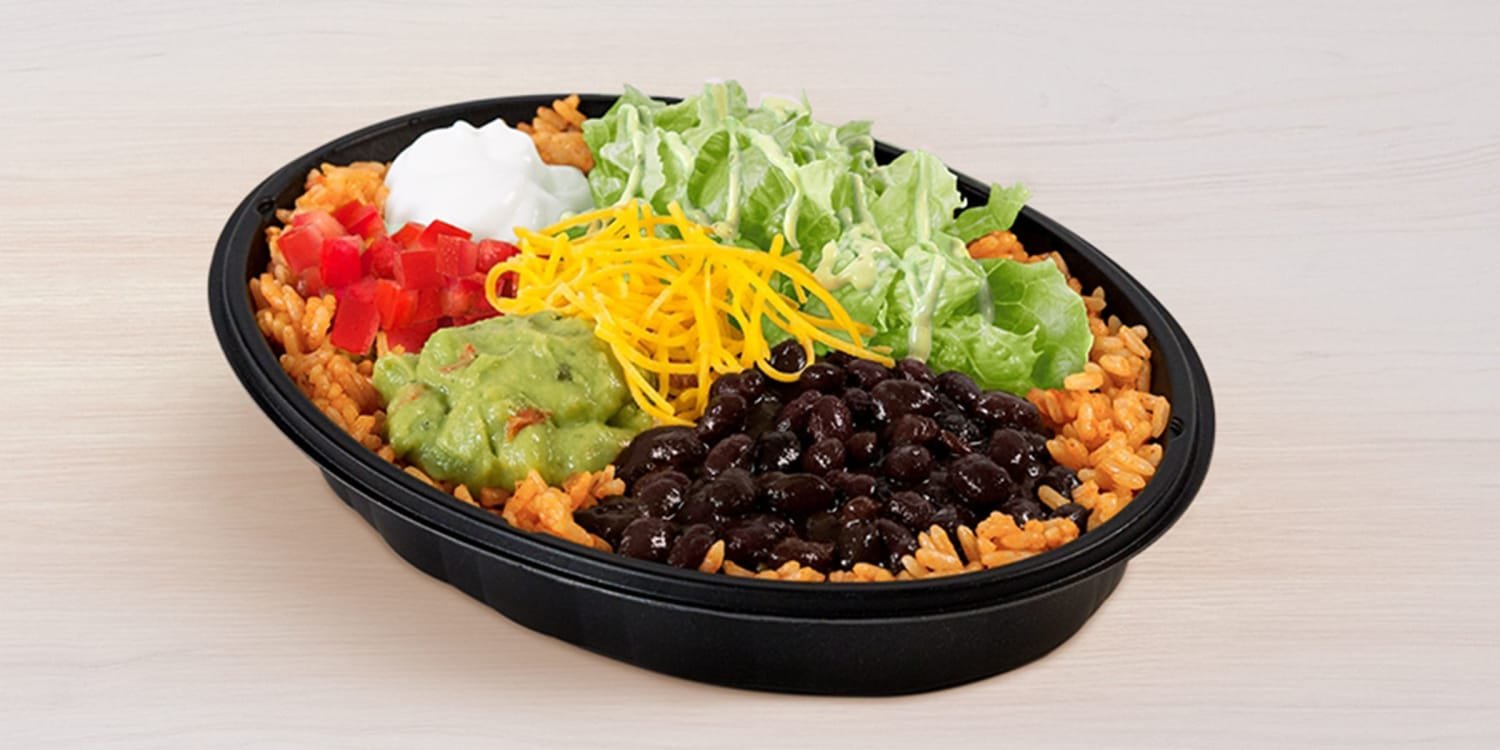
Introduction to Healthy Fast Food and Modern Food Culture
healthy fast food has become a major part of modern food culture as people increasingly look for quick meals that do not compromise their health. In earlier decades, fast food was mainly associated with fried items, high calories, and low nutritional value, but changing lifestyles and rising health awareness have reshaped expectations. Today, consumers want meals that are fast, affordable, and still nutritionally balanced.
This shift is strongly influenced by urbanization, long working hours, and the growing fitness movement. People are more aware of obesity, diabetes, and heart-related diseases, which has increased demand for healthier alternatives in quick-service restaurants. As a result, many food businesses have started redesigning menus to include better ingredients and more transparent nutritional information.
Healthy fast food is now a global trend rather than a niche idea. It reflects a broader change in how society defines convenience food, where speed alone is not enough and nutritional quality has become equally important in everyday decision-making.
Evolution of healthy Fast Food into Health-Conscious Meals
healthy fast food has evolved significantly from traditional fast food models that dominated the late twentieth century. Initially, fast food chains focused on taste, affordability, and speed, often relying on deep-fried and highly processed ingredients. Over time, growing public health concerns forced both consumers and businesses to rethink these choices.
This evolution led to the introduction of grilled items, low-calorie meals, whole grain options, and plant-based alternatives. Restaurants began responding to demand for “clean eating” and “low processed food” trends by redesigning menus and improving ingredient sourcing. This change also reflects the influence of global nutrition guidelines and public health campaigns promoting balanced diets.
Today, healthy fast food represents a hybrid category that merges convenience with nutrition science. It continues to expand as brands compete to attract health-conscious consumers who want better options without sacrificing time.
Nutritional Foundations and Balanced Diet Approach is healthy fast food
healthy fast food is built on the principle of nutritional balance, where meals are designed to provide essential nutrients in appropriate proportions. This includes a careful balance of carbohydrates, proteins, and healthy fats along with vitamins and minerals required for daily body functions.
Unlike traditional fast food, which often relies on high sodium, refined carbohydrates, and saturated fats, healthy fast food focuses on whole foods and minimally processed ingredients. Fiber-rich vegetables, lean proteins, and complex carbohydrates form the foundation of most healthier menu items. These components help maintain energy levels and support digestive health.
Portion control also plays an important role in nutritional balance. Even healthier ingredients can become unhealthy when consumed in excessive quantities. Therefore, modern fast food systems are increasingly designed to support moderate, well-measured servings aligned with daily dietary needs.
Ingredients and Food Composition in Healthy Fast Food
healthy fast food relies heavily on fresh, natural, and nutrient-dense ingredients. Leafy greens, whole grains, legumes, fruits, and lean proteins are commonly used to create meals that are both satisfying and healthy. These ingredients are chosen for their ability to provide sustained energy without excessive calories.
Healthy fats such as those found in olive oil, nuts, seeds, and avocado are often preferred over trans fats or heavily processed oils. Herbs and natural spices are used to enhance flavor while reducing the need for excessive salt or artificial additives. This shift in ingredient selection is a major reason why healthier fast food is gaining popularity among nutrition-conscious consumers.
Plant-based ingredients are also becoming more common due to the rise of vegetarian and vegan diets. These ingredients not only reduce environmental impact but also offer additional health benefits, including lower cholesterol intake and improved heart health.
Cooking Methods and Preparation Practices healthy fast food
healthy fast food uses cooking techniques designed to preserve nutrients while minimizing unhealthy fat content. Grilling, steaming, baking, and air-frying are widely used instead of deep frying, which is traditionally associated with high calorie content and unhealthy fat absorption.
Grilling allows excess fat to drip away while preserving natural flavors, making it a preferred method for lean meats and vegetables. Steaming helps retain vitamins and minerals that are often lost during boiling or frying. Baking offers a balanced alternative that produces flavorful results without excessive oil usage.
Air-frying has emerged as a modern innovation that replicates the texture of fried foods using significantly less oil. This method has become popular in both home cooking and commercial fast food settings, reflecting the ongoing shift toward healthier preparation techniques.
Health Benefits and Nutritional Advantages of healthy fast food
healthy fast food offers several important health benefits when compared to traditional fast food. One of the main advantages is improved nutrient intake, as healthier meals typically contain more vitamins, minerals, and fiber. These nutrients support immune function, energy production, and overall well-being.
Another major benefit is reduced intake of harmful components such as trans fats, excess sodium, and added sugars. Lower consumption of these substances can reduce the risk of chronic diseases including heart disease, diabetes, and hypertension. This makes healthy fast food a more sustainable option for long-term dietary habits.
Weight management is another key advantage. Because these meals are often more balanced and less calorie-dense, they help individuals maintain better control over daily calorie intake. This makes them suitable for people aiming to improve fitness or manage weight effectively.
Challenges and Limitations in Healthy Fast Food Adoption
healthy fast food faces several challenges despite its growing popularity. One of the primary challenges is cost, as fresh and high-quality ingredients are often more expensive than processed alternatives. This can make healthier fast food less accessible to some consumers.
Another challenge is taste perception. Many consumers are accustomed to the rich, salty, and fatty flavors of traditional fast food, making it difficult for healthier options to immediately compete in taste satisfaction. Changing long-term eating habits requires both time and consistent exposure.
Operational challenges also exist, as healthier meals often require more careful preparation and handling. Maintaining speed while ensuring freshness and nutritional quality remains a constant balancing act for restaurants in this category.
Role of Healthy Fast Food in Modern Lifestyles
healthy fast food plays an increasingly important role in modern urban lifestyles where time is limited but health awareness is growing. Busy professionals, students, and travelers often rely on quick meals, making healthier fast food a practical solution for everyday nutrition.
The rise of fitness culture and social media wellness trends has also influenced eating behavior. People are more informed about nutrition and actively seek better alternatives when eating out. This has encouraged food brands to innovate and expand their healthy menu offerings.
As a result, healthy fast food has become part of a broader lifestyle movement that emphasizes balance, convenience, and long-term well-being rather than short-term satisfaction alone.
Future Outlook of Healthy Fast Food Industry
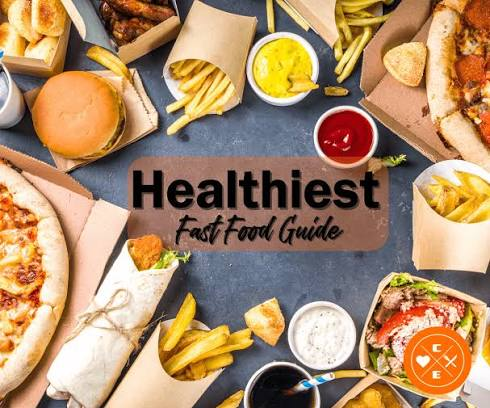
healthy fast food is expected to grow significantly as global awareness of nutrition and wellness continues to rise. Advances in food technology, including plant-based proteins and alternative ingredients, are likely to shape the next generation of healthier fast food products.
Digital ordering systems, delivery platforms, and automated kitchens are also improving accessibility and efficiency. These innovations make it easier for consumers to access nutritious meals quickly, reinforcing the convenience factor that defines fast food culture.
In the long term, healthy fast food may become the standard rather than the exception, as consumer expectations continue to shift toward transparency, nutrition, and sustainability in everyday eating habits.
Conclusion on Healthy Fast Food and Its Importance
healthy fast food represents a major transformation in the global food industry, where convenience and nutrition are no longer separate goals. It reflects a shift toward smarter eating choices that support health without sacrificing speed or accessibility.
Although challenges such as cost, taste adaptation, and consistency remain, the continued growth of this category shows strong demand for healthier options. As awareness increases, healthy fast food will continue to play a vital role in shaping modern diets and promoting better long-term health outcomes worldwide.