
Table of Contents
Introduction to Wolf Eel and Its Marine Identity
Wolf eel is one of the most visually striking and biologically unusual fish species found in the cold waters of the North Pacific Ocean. Despite its misleading name, it is not a true eel but a marine ray-finned fish belonging to the wolffish family. Its long, muscular body, blunt head, and powerful jaw structure often cause confusion among divers and marine enthusiasts, making it a frequent subject in marine biology discussions and SEO searches related to “eel-like fish species” and “deep sea predator fish.”
This species is especially well known in coastal marine ecosystems of North America, where it inhabits rocky reefs and underwater caves. Its presence is often associated with stable, cold-water environments rich in invertebrate life. Because of its unusual appearance and hidden lifestyle, it has become a popular educational subject in aquariums and marine documentaries, where it is used to demonstrate how evolution shapes survival strategies in extreme environments.
From an ecological perspective, the wolf eel plays an important role in maintaining balance within its habitat. It is not a fast swimmer or open-water hunter but a specialized ambush predator that has adapted to life in tight crevices. This behavioral adaptation makes it an essential species for understanding niche specialization in marine ecosystems.
Taxonomy, Scientific Classification, and Evolutionary Background
Wolf eel belongs to the family Anarhichadidae, commonly referred to as wolffish. Its scientific classification clearly separates it from true eels, despite its elongated appearance. The genus name Anarrhichthys reflects its evolutionary connection to wolffish species, while the species name ocellatus refers to eye-like markings found in juveniles that help with camouflage.
Evolutionarily, the wolf eel is believed to have developed its unique body structure as an adaptation to rocky coastal habitats. Unlike serpentine eel species that move through open water or sand burrows, the wolf eel evolved stronger cranial bones and crushing teeth to exploit a different ecological niche. This divergence highlights evolutionary specialization driven by habitat constraints and food availability in the North Pacific region.
In marine taxonomy studies, the wolf eel is often used as an example of convergent appearance, where unrelated species develop similar body shapes due to environmental pressures. Its eel-like body form is a result of adaptation rather than direct evolutionary lineage with true eels, making it an important case study in evolutionary biology and comparative anatomy.
Natural Habitat and Geographic Distribution in the Pacific Ocean
Wolf eel is native to the temperate coastal waters of the North Pacific Ocean. Its distribution ranges from the northern waters of Alaska and the Aleutian Islands down through British Columbia and along the western coast of the United States, reaching as far south as California. These regions provide the cold, oxygen-rich waters essential for its survival.
The species is typically found in rocky reef environments, underwater caves, and crevice-rich coastal formations. These habitats offer both protection and feeding opportunities, as they are abundant in shellfish, sea urchins, and crustaceans. The wolf eel’s preference for confined spaces is a critical survival adaptation, allowing it to avoid larger predators while remaining close to food sources.
Depth-wise, wolf eels are commonly observed from shallow subtidal zones to deeper offshore reefs. They rarely venture into open water, preferring to anchor themselves within rock formations where they can retreat quickly. This habitat specialization makes them a key indicator species for healthy rocky reef ecosystems in marine biology studies.
Physical Structure, Anatomy, and Distinct Features
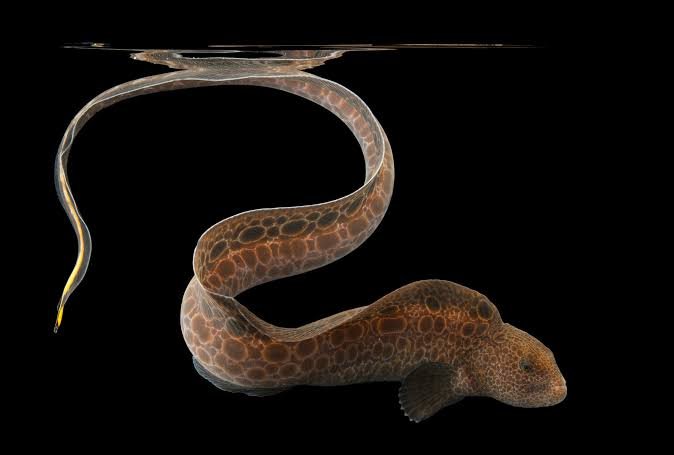
Wolf eel possesses a long, muscular body that can grow to impressive lengths, giving it an eel-like appearance. However, unlike true eels, it has a robust skull structure, thick skin, and a more rigid body design. Its coloration typically ranges from grayish to brownish tones, allowing it to blend seamlessly with rocky surroundings.
One of its most defining features is its powerful jaw system, which is equipped with strong molar-like teeth designed for crushing hard-shelled prey. These teeth are not suited for tearing soft flesh but instead function like natural tools for breaking shells of crabs, clams, and sea urchins. This specialized feeding anatomy is one of the reasons it occupies a unique ecological niche.
Juvenile wolf eels display distinctive orange coloration with dark eye-like spots, which serve as a form of protective mimicry. As they mature, these markings fade, and their body becomes darker and more uniform. This transformation reflects their shift from vulnerable juveniles to powerful, shelter-dwelling adults adapted to a more defensive lifestyle.
Feeding Behavior, Diet, and Ecological Role
Wolf eel is a highly specialized carnivore that primarily feeds on hard-shelled marine invertebrates. Its diet includes sea urchins, crabs, mussels, clams, and other benthic organisms. This diet is crucial for maintaining ecological balance, particularly in kelp forest ecosystems where sea urchin populations can otherwise grow unchecked.
The feeding mechanism of the wolf eel is one of its most fascinating biological traits. Instead of swallowing prey whole or tearing flesh, it uses its powerful jaws to crush shells before consuming the soft interior. This adaptation allows it to exploit food sources that many other predators cannot access, reducing competition within its habitat.
Ecologically, the wolf eel is considered an important regulator species. By controlling populations of sea urchins, it indirectly supports the health of kelp forests, which serve as critical marine habitats for countless other species. This indirect ecological influence makes it a keystone-like species in certain coastal ecosystems.
Behavior, Temperament, and Social Interaction Patterns
Wolf eel is often misunderstood due to its intimidating appearance, but it is generally a calm and non-aggressive species. It spends most of its life inside rock crevices, emerging only to feed or interact with its environment. Its behavior is largely defensive rather than offensive, and it avoids unnecessary confrontation.
One of the most remarkable behavioral traits of this species is its tendency toward long-term monogamous pairing. Wolf eels are known to form stable pair bonds, often sharing the same den for many years. This level of social bonding is relatively rare among fish species and is widely studied in marine behavioral research.
Communication between wolf eels is subtle and primarily involves body positioning and spatial awareness. While they do not form large schools or complex social groups, their pair-based structure demonstrates a level of social organization that challenges traditional assumptions about fish behavior.
Reproduction, Egg Care, and Early Development Stages
Wolf eel has a unique reproductive strategy centered around intensive parental care. During breeding, the female lays a large mass of eggs inside a protected rocky crevice. These eggs are sticky and form a dense cluster that remains attached to the cave walls for safety.
Both parents participate in guarding and caring for the eggs, with the male playing a particularly active role in fanning the eggs to ensure oxygen circulation. This behavior continues for several months, making wolf eels one of the few fish species with prolonged parental investment. This reproductive strategy is often highlighted in marine biology as an example of advanced parental care in fish.
After hatching, the larvae drift in the planktonic zone before eventually settling into benthic habitats. During this early stage, they are more vulnerable to predation and environmental changes. As they grow, they gradually transition into their adult form and begin adopting the crevice-dwelling behavior characteristic of the species.
Lifespan, Predators, and Environmental Challenges
Wolf eel is known for its relatively long lifespan, often surviving for decades under stable environmental conditions. Its sheltered lifestyle within rocky crevices significantly reduces exposure to predators, contributing to its longevity compared to many other marine fish species.
Despite its defensive advantages, the wolf eel still faces natural threats. Larger predatory fish, sharks, and marine mammals may prey on juveniles or exposed individuals. Environmental changes such as ocean warming, pollution, and habitat destruction also pose long-term risks to population stability.
Human interaction is generally limited, but divers occasionally encounter wolf eels in their natural habitats. While they may appear intimidating, they are not considered dangerous to humans and typically remain within their shelters unless provoked or disturbed.
Ecological Importance and Human Awareness in Marine Systems
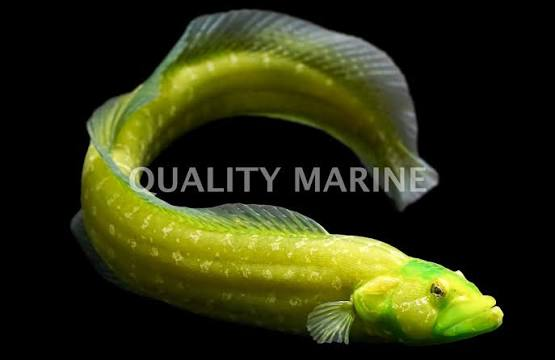
Wolf eel plays a significant ecological role in maintaining balance within rocky reef and kelp forest ecosystems. By feeding on sea urchins and other invertebrates, it helps prevent overgrazing of kelp forests, which are vital for supporting marine biodiversity.
In human contexts, wolf eels are often featured in aquariums due to their unique appearance and fascinating behavior. They serve as educational ambassadors for marine conservation, helping people understand the complexity of ocean ecosystems and the importance of preserving habitat diversity.
The species also holds scientific value in behavioral ecology and evolutionary biology. Its combination of specialized feeding habits, strong pair bonding, and habitat specialization makes it an important subject for ongoing marine research and environmental education.
Conclusion on Wolf Eel and Its Marine Significance
Wolf eel remains one of the most fascinating and ecologically important species in the North Pacific Ocean. Its unusual anatomy, specialized feeding behavior, and unique reproductive system highlight the incredible diversity of marine life and the power of adaptation in shaping survival strategies.
From an ecological standpoint, it contributes directly to the health of kelp forest ecosystems, while from a scientific perspective, it provides valuable insights into evolutionary specialization and marine behavior. Its misunderstood appearance continues to attract public interest, making it a powerful example of how visual perception can differ from biological reality.