
Table of Contents
When you hear the name Roger Federer mount, you immediately picture effortless tennis, 20 Grand Slam titles, and a calm presence that made him the most loved athlete of his generation. But in 2025 there is another conversation happening around Roger Federer. It is not about match points. It is about mindset, mountains, and meaning.
The phrase Roger Federer Mount has grown in search because people want to understand what made him different. They want to know how a boy from Basel, Switzerland became the standard for excellence, longevity, and grace. They want to connect Roger Federer to the Swiss Alps, to endurance, to brand building, and to life after tennis. This article tells that full story. It is written with accuracy, context, and respect for the career of Roger Federer. If you are looking for Roger Federer Mount insights, training philosophy, business moves, and the cultural impact of Roger Federer, you will find it all here.
Who Is Roger Federer and Why the Mountain Metaphor Matters
Roger Federer was born on August 8, 1981, in Basel, Switzerland. Basel sits near the borders of France and Germany, and just a few hours from the Swiss Alps. Growing up, Roger Federer was surrounded by a culture that values precision, quiet work, and nature. Switzerland is a country of mountains, lakes, and discipline. That environment shaped Roger Federer before he ever became famous.
Tennis fans and media started using mountain language to describe Roger Federer early in his career. To “mount” means to rise, to ascend, to reach a summit. Roger Federer did that in real time. He turned pro in 1998. By 2004 he was world No.1. He would stay at the top for 310 weeks, a record at the time. He won Wimbledon 8 times, the Australian Open 6 times, the US Open 5 times, and the French Open once to complete the career Grand Slam in 2009. Each title felt like another camp on the way up.
In 2025, Roger Federer is retired but more influential than ever. The Roger Federer Mount idea now means more than trophies. It means patience. It means building a career without shortcuts. It means respecting the climb. That is why coaches, CEOs, and students search for Roger Federer Mount. They are not looking for tennis drills. They are looking for a model for how to get better over a long time.
Swiss Roots: How the Alps and Basel Shaped Roger Federer
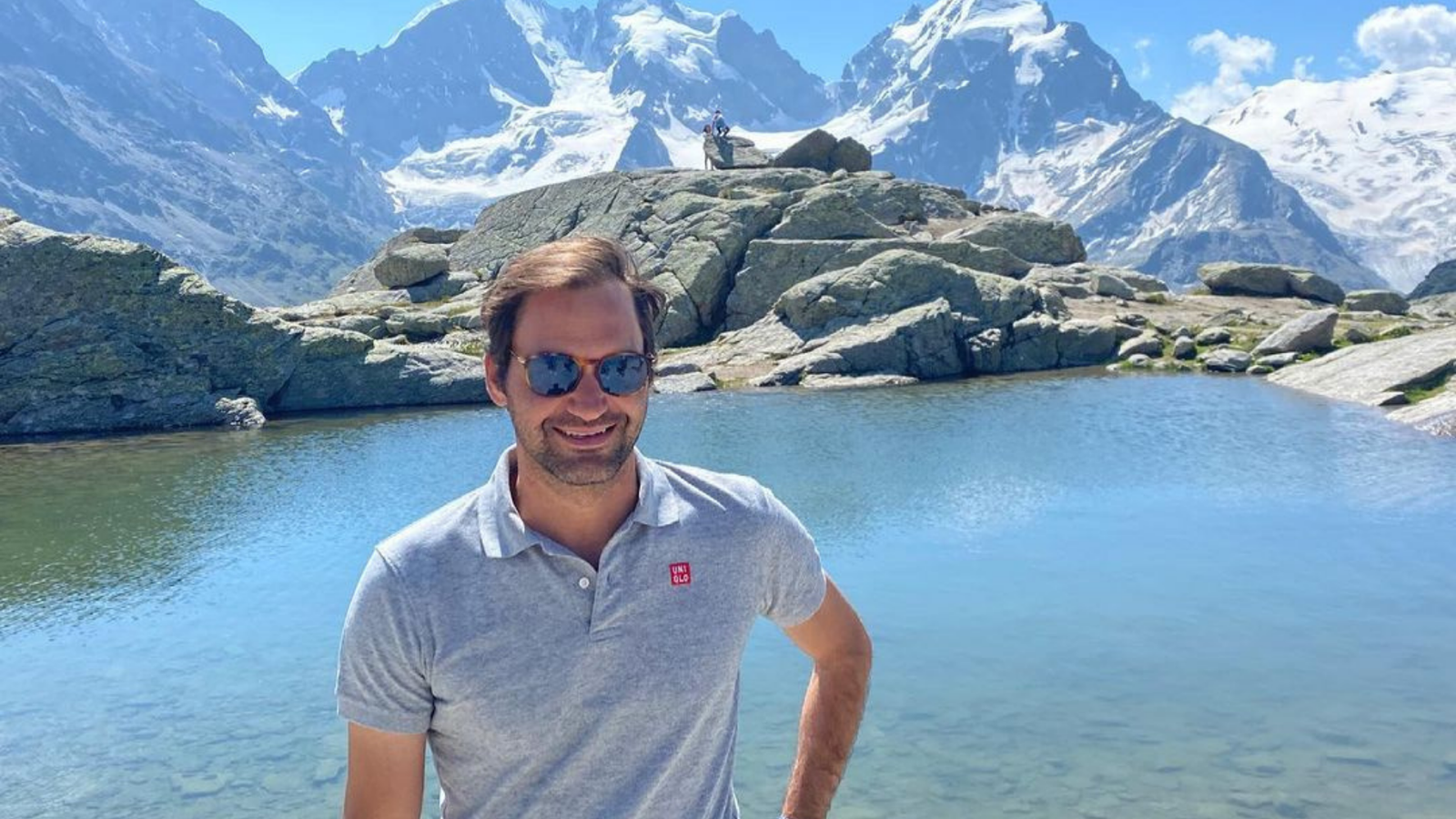
Switzerland is defined by mountains. The Alps run through the country and they are part of daily life. Roger Federer grew up playing tennis indoors in the winter and outdoors in the summer. When he needed to reset, he went to the mountains. Hiking, skiing, and walking in the Alps were part of how Roger Federer recovered between tournaments.
People close to Roger Federer often talk about his calm. That calm comes from Switzerland. The country teaches you to prepare, to respect conditions, and to go at your own pace. That is exactly how Roger Federer played. He did not rely on power alone. He relied on timing, footwork, and efficiency. He made hard things look easy because he did the work early.
The connection between Roger Federer and the mountains is also cultural. Swiss athletes are taught to be humble and to let results speak. Roger Federer never bragged. He thanked opponents. He thanked the ball kids. He thanked the crowd. In 2025, when tourists visit Switzerland and ask about Roger Federer, guides always mention the Alps. The message is simple. The mountains taught Roger Federer how to stay grounded while reaching high.
Training Philosophy: The Roger Federer Mount Approach to Peak Performance
Roger Federer was never the biggest athlete on tour. He was not the fastest. What separated Roger Federer was how he managed energy and time. His training philosophy looked a lot like climbing a mountain. You build a base. You find the right route. You do not waste steps.
In his early 20s, Roger Federer worked on movement. He and his coaches drilled footwork for hours. Later, he added strength and mobility work to protect his body. After knee surgeries in 2016 and 2020, Roger Federer had to climb again. Each comeback was treated as a new project. He did not talk about revenge or proving people wrong. He talked about process. That is the core of Roger Federer Mount.
In 2025, Roger Federer shares this message in talks and interviews. He tells young athletes to think in 10-year blocks, not 10-week blocks. He says talent is common. What is rare is the ability to show up every day. The Roger Federer Mount approach is boring in the best way. Sleep well. Eat well. Practice with purpose. Recover. Repeat. That is how Roger Federer stayed elite into his 40s.
Roger Federer and On: Building a Brand Around Elevation
One of the clearest links to the Roger Federer Mount idea is his partnership with On, the Swiss running company. In 2019, Roger Federer became an investor and partner in On. The brand was founded in Zurich and is known for cloud-like cushioning and Swiss engineering. The entire brand language is about forward motion and upward movement.
Together, Roger Federer and On created “The Roger” line. These are not tennis shoes. They are lifestyle and performance shoes made for walking, running, and everyday wear. The design team worked directly with Roger Federer to make a shoe that felt light but stable. The goal was the same feeling Roger Federer had on grass at Wimbledon.
By 2025, On has become one of the biggest sports brands in the world. Roger Federer is often seen in On shoes while hiking in Switzerland or traveling for business. The partnership reinforced the Roger Federer Mount image. It is about performance, but it is also about how you live. Climb your mountain, but do it with shoes that support you. That is the message Roger Federer and On put into the world.
The Roger Federer Foundation: Lifting Others to the Summit
Off the court, Roger Federer has spent nearly 20 years building the Roger Federer Foundation. The mission is to give children access to quality education and sport. The foundation works mainly in southern Africa and in Switzerland. By 2025, it has supported millions of children through early learning programs.
This is another version of Roger Federer Mount. It is not about personal height. It is about how many people you can bring up with you. Roger Federer has said that talent means nothing without opportunity. So the foundation trains teachers, builds classrooms, and creates systems that last after the cameras leave.
When Roger Federer visits projects in Lesotho, Malawi, or Zimbabwe, he talks about patience. He says change takes time, just like a tennis match. You win point by point. The foundation’s work shows the human side of Roger Federer Mount. It is not about being the best. It is about making it possible for others to be their best.
Mental Strength: The Inner Mountain Roger Federer Had to Climb
Tennis is a lonely sport. You are out there alone with your thoughts. Early in his career, Roger Federer struggled with emotions. He had talent but he would get angry and lose focus. The real turning point for Roger Federer was not a new racket. It was learning to control himself.
From 2003 to 2007, Roger Federer won 11 of 16 Grand Slams. The reason was mental steadiness. He stopped wasting energy. He stayed present. Even in later losses, Roger Federer showed respect. He never blamed umpires. He never made excuses. Fans called it class. Sports psychologists call it emotional regulation.
In retirement, Roger Federer talks more openly about this inner climb. He says the hardest opponent was always himself. The Roger Federer Mount mindset is to stay curious. Keep learning. Keep adjusting. That is why business leaders study Roger Federer. They want to know how he stayed calm in fifth sets. The answer is the same as in business. Prepare, breathe, and focus on the next point.
Life After Tennis: Roger Federer’s New Summits in 2025
Roger Federer played his last professional match at the Laver Cup in 2022. The moment was emotional, but it was not an ending. It was a transition. In 2025, Roger Federer is active in four areas. Family, business, philanthropy, and ambassador work.
He spends time in Switzerland and Dubai with his wife Mirka and their four children. He travels for On. He speaks at events. He plays exhibitions for fun, not for rankings. Roger Federer says the goal now is balance. The Roger Federer Mount in this phase is about reinvention. How do you take the discipline of an athlete and use it in business and life.
Roger Federer is also mentoring young players. He does not give technical tips as much as he gives perspective. He tells them to protect their love for the game. He tells them to think long term. That advice is why the Roger Federer Mount idea resonates beyond sports. It is a guide for any career that needs longevity.
Cultural Impact: Why Roger Federer Became Bigger Than Tennis
Very few athletes transcend their sport. Roger Federer did. Part of it is the way he played. The one-handed backhand, the movement, the timing. It looked like art. But part of it is how Roger Federer carried himself. He was consistent for 24 years. He showed up. He was kind.
The term Roger Federer Mount caught on because people needed a word for that. In a world of noise, Roger Federer was quiet. In a world of shortcuts, Roger Federer took the long path. Brands wanted to work with Roger Federer because he was trusted. Fans wanted to watch Roger Federer because he made them feel calm.
In 2025, Roger Federer is still the most marketable retired athlete. He works with Rolex, Uniqlo, Mercedes-Benz, and On. Each partnership reflects the Roger Federer Mount values. Quality, precision, and time. When people search Roger Federer Mount, they are searching for that standard.
Lessons from Roger Federer Mount for Everyday Life
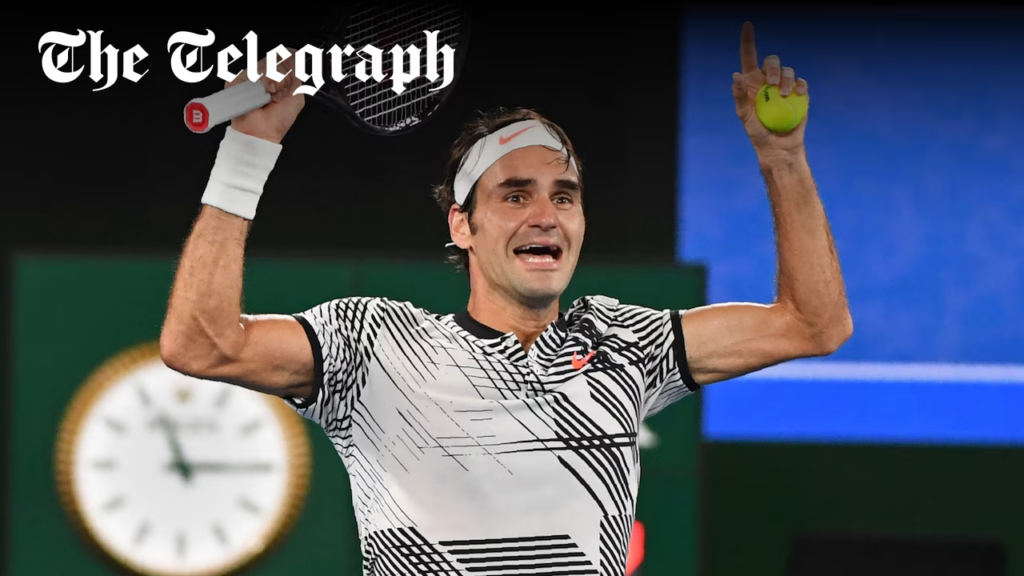
You do not have to be a tennis player to use the Roger Federer Mount approach. The lessons are simple and they work in any field. First, build your base. Roger Federer spent years on footwork before he worried about winning. In work, that means skills. In health, that means sleep and movement.
Second, manage energy. Roger Federer skipped tournaments to stay fresh for the big ones. In life, that means saying no to things that drain you. Third, respect the process. Roger Federer did not chase quick fixes after injury. He rehabbed, he waited, he came back.
Finally, bring people with you. The foundation, the mentoring, the partnerships. That is the last part of Roger Federer Mount. Success is better when it is shared. In 2025, that is why the phrase keeps growing. People want a role model who won a lot and still stayed human. Roger Federer is that person.
Conclusion: The Lasting Meaning of Roger Federer Mount
Roger Federer mount will always be remembered for the titles. 20 Grand Slams. 8 Wimbledons. 310 weeks at No.1. But the deeper legacy is the way he climbed. The Roger Federer Mount is not about one peak. It is about a lifetime of steady ascents.
From the courts of Basel to the grass of Wimbledon, from the offices of On to the classrooms supported by his foundation, Roger Federer showed what it looks like to pursue excellence without losing yourself. He did not need to be loud. He let the work speak.
In 2025, when someone searches Roger Federer Mount, they are looking for that example. They want to know how to build something that lasts. And the answer is in the career of Roger Federer. Respect the climb. Stay patient. Stay kind. And keep looking for the next summit. Because for Roger Federer, the mountain never really ends.